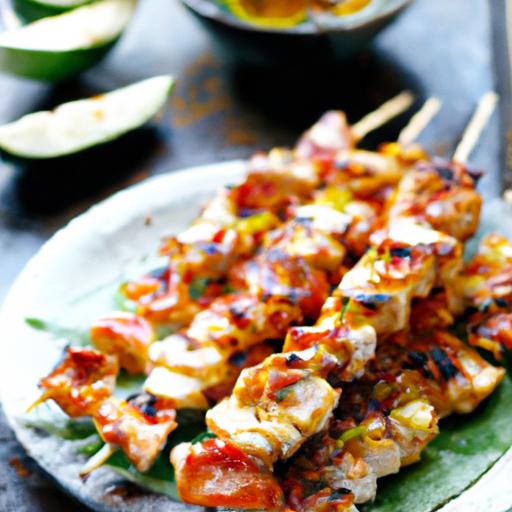




In the bustling streets of Japan,where tradition meets tantalizing aromas,one humble skewer has captured the hearts-and palates-of locals and travelers alike.Yakitori, Japan’s beloved grilled chicken delicacy, is more than just a street food; it’s a cultural ritual wrapped around tender morsels of flame-kissed meat. From sizzling charcoal grills to cozy izakayas, this article peels back the layers of yakitori’s rich history, intricate preparation, and the subtle art that transforms simple chicken into a symphony of flavor. Join us as we unveil the secrets behind Japan’s iconic grilled chicken skewer delight, celebrating a culinary tradition that continues to ignite appetites and warm the soul.
Yakitori Unveiled begins a delicious journey into one of Japan’s most beloved culinary treasures: skewered grilled chicken. This simple yet profoundly flavorful dish captures the heart of Japanese street food culture, transforming humble chicken parts into smoky, caramelized bites that harmonize tradition and conviviality. My first encounter under the glowing lanterns of a Tokyo izakaya left an indelible impression-the sizzling sound, the enticing aroma of soy and charcoal, and the vivid tapestry of textures and tastes still inspire my kitchen creations today.
Origins and Cultural Significance of Yakitori in Japanese Cuisine
Tracing back to the Edo period (1603-1868), yakitori began as street fare, initially reserved for special occasions since poultry was scarce. As chicken farming broadened in modern Japan,yakitori evolved into an accessible social food enjoyed beside casual drinks,especially in izakayas,Japan’s cozy pubs. The simple skewers became symbolic of communal dining and relaxation,intertwining with after-work culture and neighborhood camaraderie. Each yakitori shop, or yakitori-ya, nurtures its unique balance of seasoning, often highlighting expert grilling technique that coax out the juiciest, smokiest notes-true artistry in every skewer.
Mastering the Art of Yakitori Preparation and Grilling Techniques
Perfecting yakitori cooking starts with selecting fresh,high-quality chicken-boneless thigh,breast,and even liver or heart are staples. the magic lies in skewering bite-sized pieces evenly onto bamboo sticks, creating uniform chunks for consistent grilling. Traditional yakitori grilling over binchotan charcoal imparts a mild, steady heat that sears delicately without overshadowing the natural juices.
Seasoning varies between shio (salt) style, which enhances the chicken’s pure flavor, and tare (sweet soy glaze), a luscious caramelized glaze built from soy sauce, mirin, sake, and a touch of sugar. The grilling demands vigilant attention: rotate smoothly to avoid flare-ups and baste the skewers repeatedly with tare for that glossy finish.The essence is a beautifully charred exterior paired with succulent, tender meat inside.
Exploring Essential Yakitori Varieties and Signature Flavors
while the chicken thigh yakitori is the most popular, exploring the range widens your palate and recognition. Here are some defining varieties:
- Momo: juicy chicken thigh, tender and richly flavored.
- Negima: alternating pieces of chicken and green onion,offering a smoky,aromatic bite.
- Tebasaki: chicken wings grilled until skin is crispy with a slight char.
- reba: chicken liver, smooth and rich with a slightly iron taste.
- Tsukune: seasoned chicken meatballs, often dipped in tare sauce, soft and full of umami.
mastering these varieties unlocks the full spectrum of yakitori’s soul,blending texture and flavor contrasts that tease and satisfy with every skewer.
Top Recommendations for Experiencing Authentic Yakitori in Japan
dive deep into yakitori culture by visiting iconic districts such as Tokyo’s Omoide Yokocho or Nagoya’s bustling street stalls. These venues highlight yakitori unfiltered-no frills, just fiery charcoal, expert techniques, and drinks poured generously. Authentic yakitori experiences often pair skewers with simple sides like shredded cabbage or pickled vegetables, enhancing both flavor and texture.
In your own kitchen adventures, embracing charcoal grilling or even a well-controlled gas grill sets the stage. This guide will walk you thru making authentic yakitori with clear steps, so you can evoke the ambience and savor the essence of japan’s grilled chicken skewer delight right at home.
Prep and Cook Time
- Preparation: 20 minutes (including skewering)
- Cooking: 10-15 minutes
Yield
- Serves 4 (approximately 16 skewers)
Difficulty Level
- Medium – requires attention to grilling technique and timing
Ingredients
- 600g boneless chicken thighs, skin-on, cut into 1.5-inch pieces
- 8 bamboo skewers, soaked in water for 30 minutes
- 3 tbsp soy sauce
- 2 tbsp mirin (sweet rice wine)
- 1 tbsp sake
- 1 tbsp granulated sugar
- 1 tsp sea salt
- 4 green onions, cut into 1-inch pieces (for negima variation)
- Freshly ground black pepper, to taste
- Vegetable oil, for brushing grill grates
Instructions
- Prepare the tare sauce: combine soy sauce, mirin, sake, and sugar in a small saucepan. Simmer over low heat for 10 minutes until slightly thickened. Set aside to cool.
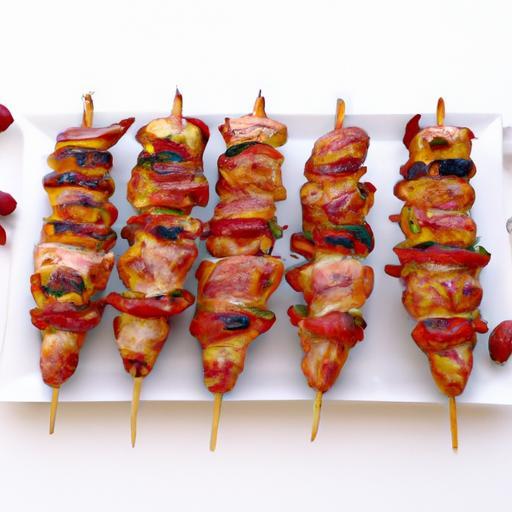
- Thread the chicken onto skewers: For classic momo skewers, place 4-5 pieces per skewer. For negima, alternate between chicken and green onion pieces.
- Preheat the grill: Use medium-high heat. Brush the grill grates with vegetable oil to prevent sticking.
- Season the skewers lightly with salt and pepper if preparing shio style.
- Grill the skewers: Place skewers on the grill and cook for 3-4 minutes per side.For tare style, begin basting with sauce during the last 5 minutes, turning frequently to build a glossy glaze and avoid burning.
- Check for doneness: Meat should be cooked through and caramelized on all sides but still juicy inside. Avoid overcooking to keep tenderness.
- Serve instantly: Garnish with a sprinkle of sansho pepper or chopped shiso leaf for an aromatic lift.
Chef’s Notes
- For best results, keep the grill covered to maintain consistent heat and smoke infusion.
- If charcoal isn’t available,a cast-iron grill pan offers excellent caramelization.
- Soaking skewers prevents burning; never skip this step.
- Substitute green onions with leeks or scallions for variety.
- Leftover tare sauce can be refrigerated for up to 1 week and used as a dipping sauce or glaze for other grilled dishes.
- For an adventurous twist, add thin slices of shiitake mushroom or shishito peppers on skewers.
Serving Suggestions
Present your yakitori on a rustic wooden plank or ceramic platter lined with crisp shiso leaves. Serve alongside pickled daikon radish and a small bowl of steamed jasmine rice or soba noodles.A chilled glass of sake or Japanese green tea complements the flavors superbly, balancing smoky richness with clean brightness. Garnish with freshly ground sansho pepper or a drizzle of citrus yuzu kosho for an exciting kick-capturing the essence of Japanese street food elegance.

| Nutrient | Per serving (4 skewers) |
|---|---|
| Calories | 280 kcal |
| Protein | 34 g |
| Carbohydrates | 7 g |
| Fat | 10 g |
For further culinary inspiration, explore our Japanese Grilled Chicken Recipes to master more dishes that complement your yakitori expertise.
Discover more about Japanese food culture and yakiniku styles from official resources like Japan Guide to deepen your gastronomic travels and skills.
Q&A
Q&A: yakitori Unveiled – Japan’s Grilled Chicken Skewer Delight
Q1: What exactly is yakitori?
A1: Yakitori is a beloved Japanese street food featuring bite-sized pieces of chicken skewered on bamboo sticks and grilled over glowing charcoal. Each skewer offers a smoky, savory burst of flavor, making yakitori a perfect snack or meal companion.
Q2: How did yakitori become such a staple in Japanese cuisine?
A2: With roots tracing back to the Edo period, yakitori evolved as an accessible, affordable way to enjoy chicken. Street vendors and izakayas (Japanese pubs) popularized it as a casual, communal food, capturing the hearts and appetites of locals and travelers alike.
Q3: What parts of the chicken are commonly used in yakitori?
A3: Yakitori celebrates versatility, grilling various chicken parts like tender thigh (momo), juicy breast (mune), crisp skin (kawa), flavorful liver (rebā), and even cartilage (nankotsu) for a satisfying crunch. Each part contributes its unique texture and taste to the yakitori experience.
Q4: What seasonings and sauces define the flavor of yakitori?
A4: The two primary flavor profiles are shio (salt) and tare (a savory-sweet glaze). Shio yakitori lets the natural chicken flavors shine, simply enhanced with sea salt. Tare is a luscious sauce crafted from soy sauce, mirin, sake, and sugar, caramelizing beautifully over the grill.
Q5: Why is charcoal grilling essential to authentic yakitori?
A5: Charcoal grilling infuses yakitori with a distinctive smoky aroma and a slight char that deepens the taste and seals in the juices. The even,radiant heat from charcoal also creates the perfect texture-crispy edges with tender,succulent meat inside.
Q6: Can yakitori be enjoyed beyond just street food stalls and casual pubs?
A6: Absolutely! Yakitori has made its way into sophisticated dining establishments, where chefs craft exquisite combinations and innovative sauces. Yet, no matter the venue, the heart of yakitori remains a party of simple, quality chicken grilled to perfection.
Q7: Are there any vegetarian options in the world of yakitori?
A7: While yakitori traditionally spotlights chicken, some eateries offer grilled vegetables or tofu skewers seasoned with shio or tare to mimic the smoky essence. These alternatives allow non-meat eaters to savor the yakitori style within their dietary preferences.
Q8: What makes sharing yakitori such a special experience in Japan?
A8: Yakitori is deeply social-its small skewers and bold flavors encourage sharing, conversation, and connection around a warm grill or table.It’s as much a cultural bonding ritual as a culinary delight, bringing people together over simple, perfectly grilled bites.
Q9: How should one eat yakitori to fully appreciate its flavors?
A9: Yakitori is best enjoyed fresh off the grill, bite by bite. Savor the varying textures and flavors by alternating between shio and tare,and try different chicken parts to experience the full spectrum-each skewer tells a unique story on your palate.
Q10: Can yakitori be easily recreated at home?
A10: Yes! With quality chicken, bamboo skewers, and a trusty grill or even a stovetop grill pan, you can bring yakitori into your kitchen. Experiment with simple salt seasoning or homemade tare sauce, and enjoy the gratifying ritual of grilling your own Japanese chicken skewers.
Wrapping Up
As the smoke from the charcoal fades and the last succulent skewer is savored, Yakitori leaves an indelible mark not just on the palate but on the cultural tapestry of Japan itself. More than just grilled chicken, it is indeed a celebration of simplicity, craftsmanship, and community-each skewer a story, each bite a tradition passed down through generations. Whether enjoyed at a bustling street stall or a refined izakaya, Yakitori invites you to experience the heart of Japanese flavor, one charred, juicy piece at a time. So next time you seek a taste that is both humble and profound, remember: in the world of Japanese cuisine, few delights are as unpretentiously satisfying as a perfect yakitori skewer.