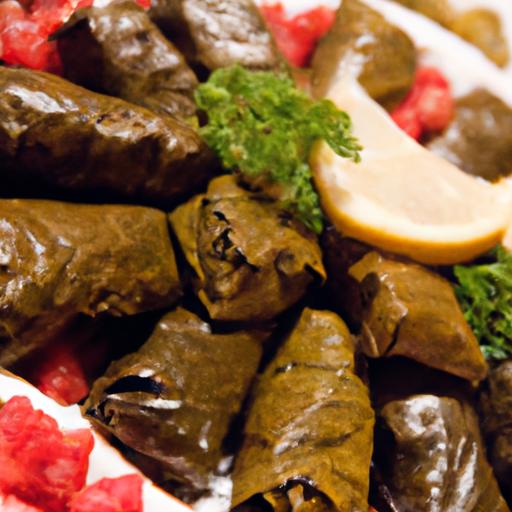
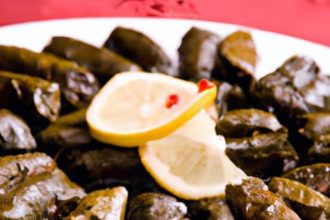

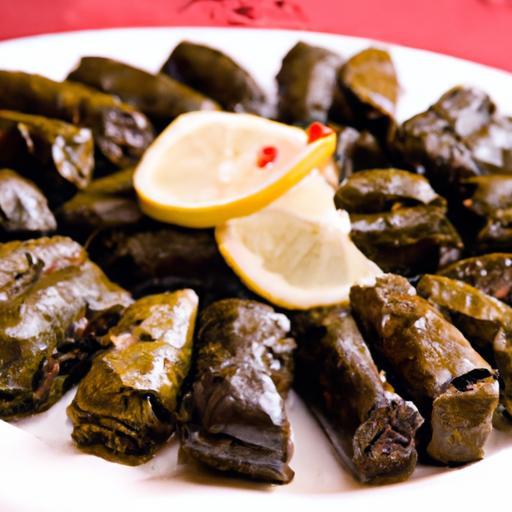
In teh delicate folds of vine leaves lies a story as rich and ancient as the lands that nurture them. Warak Enab, the beloved stuffed grape leaves, transcends borders and generations, weaving together threads of culture, history, and flavor in every bite. This humble yet exquisite dish invites us on a sensory journey-where tender leaves cradle spiced rice, herbs, and frequently enough meat, creating a harmony that has delighted palates for centuries. Join us as we explore the timeless taste of Warak Enab,uncovering its origins,variations,and the culinary traditions that have kept this savory treasure alive across the Mediterranean and Middle East.
Warak Enab, a beloved culinary treasure across Middle Eastern kitchens, is much more than a simple stuffed grape leaf. This dish carries centuries of rich tradition, weaving stories of hospitality, family gatherings, and cultural pride into every bite.As you embark on creating perfectly rolled Warak Enab, you’re participating in a timeless ritual that connects generations through flavor and care.
Prep and Cook Time
- Planning: 45 minutes
- Cooking: 1 hour 15 minutes
- Total Time: 2 hours
Yield
Serves 6-8 people as part of a mezze spread or main course.
Difficulty Level
Medium – Requires patience for rolling and simmering but is highly rewarding.
Ingredients That Define the Authentic Flavor Profile
- 500g fresh grape leaves, blanched and drained
- 1 cup short-grain rice, rinsed and soaked for 30 minutes
- 400g ground beef or lamb (optional for a vegetarian version)
- 1 large onion, finely chopped
- 2 medium tomatoes, finely diced or pureed
- ½ cup fresh parsley, chopped
- ¼ cup fresh mint leaves, finely chopped
- Juice of 2 lemons
- ½ cup olive oil
- 1 teaspoon allspice
- 1 teaspoon ground cinnamon
- Salt and pepper, to taste
- 2 cups vegetable or chicken broth
Step by Step Guide to Preparing Perfectly Stuffed Grape Leaves
- Prepare the grape leaves: Carefully rinse and blanch the grape leaves in boiling water for 2 minutes until softened. Drain and set aside on a clean towel.
- Mix the filling: In a large bowl, combine the soaked rice, ground beef or lamb (if using), chopped onion, tomatoes, parsley, and mint. Add allspice,cinnamon,salt,and pepper for a warm and aromatic depth. Stir to evenly distribute all ingredients.
- Add lemon juice and olive oil: Drizzle the lemon juice and half of the olive oil into the mixture. Mix gently to create a cohesive filling with a hint of tang and richness.
- Fill the grape leaves: Lay one leaf flat, vein side up, with the stem end toward you. Place roughly a tablespoon of filling near the stem end. Fold the sides inward and roll tightly to encase the filling, like a small cigar. Avoid overstuffing to prevent tearing.
- Layer the pot: Line the bottom of a heavy-bottom pot with leftover or torn grape leaves to prevent sticking.
- Arrange the rolls: Place the stuffed leaves seam side down in tight circular rows to minimize movement during cooking.
- Top and add broth: Sprinkle the remaining olive oil over the rolled grape leaves. Pour broth evenly, ensuring rolls are almost submerged. Place a small plate on top to keep the rolls tightly packed while simmering.
- Simmer with care: Cover and cook on low heat for 1 hour to 1 hour 15 minutes. The rice should be tender, and the flavors fully infused.
- Rest before serving: Let the pot sit off the heat for 10 minutes to allow juices to settle, enhancing the melding of flavors.
Tips and Tricks for Serving and Pairing Warak Enab with Traditional Dishes
- Serve chilled or warm: Both temperatures bring out unique qualities; warm enhances the aroma, chilled brings refreshing brightness.
- Garnish stylishly: Fresh lemon slices,a sprinkle of chopped parsley,or a drizzle of extra virgin olive oil add visual appeal and fresh flavor.
- pair with traditional mezze: complement with creamy hummus, tangy labneh, and crisp fattoush salad to balance textures and flavors.
- Accompany with dips: A side of garlicky toum or mild tahini sauce heightens the savory experience.
- Refresh with beverages: Mint tea or a cold ayran (yogurt-based drink) create authentic refreshment contrasts.
- Make ahead: Warak Enab tastes even better the next day as the flavors deepen-perfect for entertaining.
Chef’s Notes
- For a vegetarian variation, omit the meat and increase herbs and spices for a vibrant filling.
- If fresh grape leaves aren’t available, preserve them yourself or opt for high-quality jarred leaves rinsed well to remove brine.
- When rolling, keep grape leaves moist by covering with a damp cloth to avoid drying out and tearing.
- Adjust lemon juice to taste; it’s key to balancing the rich earthiness and brightening the palate.

| Nutritional info (per serving) | Calories | Protein (g) | Carbs (g) | Fat (g) |
|---|---|---|---|---|
| With Meat Filling | 280 | 18 | 30 | 10 |
| Vegetarian Version | 210 | 5 | 38 | 8 |
Explore more about Middle Eastern cooking staples like authentic hummus to expand your mezze platter. For a deeper ancient context, visit britannica’s Warak Enab entry.
Q&A
Q&A: Warak Enab – Exploring the Timeless Taste of Stuffed Grape Leaves
Q1: What exactly is Warak Enab?
A1: Warak Enab, also known as stuffed grape leaves, is a beloved Middle Eastern dish featuring tender grape leaves wrapped around a flavorful filling.This filling often consists of rice, herbs, spices, and sometimes vegetables or ground meat, creating a bite-sized bundle bursting with taste and history.
Q2: Where does Warak Enab originate from?
A2: Warak Enab has roots that stretch across the Mediterranean and Middle Eastern regions, including countries like Lebanon, Syria, Turkey, and Greece. It’s a culinary tradition passed down through generations, symbolizing hospitality and community.
Q3: What makes the grape leaves ideal for stuffing?
A3: Grape leaves have a delicate yet sturdy texture and a subtle tartness that beautifully complements the filling inside. when cooked,they become tender while holding their shape,offering a unique mouthfeel that elevates the dish’s harmony.
Q4: What are the main ingredients typically found inside Warak Enab?
A4: The classic filling combines short-grain rice with fresh herbs like parsley and mint, finely chopped onions, tomatoes, and a blend of warming spices such as cinnamon, allspice, or cumin.Some versions include minced lamb or beef, while vegetarian options abound, highlighting the dish’s versatility.
Q5: how is Warak Enab traditionally prepared?
A5: Preparation is a labour of love.Leaves are frist blanched to soften, then filled with a measured spoonful of the rice mixture and carefully rolled into tight cylinders. these rolls are then snugly packed in a pot, often layered with lemon slices and drizzled with olive oil, before simmering slowly to infuse every piece with tender, melded flavors.
Q6: Are there vegetarian versions of Warak Enab?
A6: Absolutely! Vegetarian Warak Enab is incredibly popular and flavorful, relying on a medley of rice, fresh herbs, vegetables like tomatoes or zucchini, and tangy lemon juice. This version highlights the freshness of ingredients, making it a beloved option for all diets.
Q7: What occasions are Warak Enab served at?
A7: Warak Enab graces tables during family gatherings, holiday feasts, and festive celebrations. It’s often served as a mezze-an assortment of small dishes-or as a comforting main course, symbolizing togetherness and sharing.
Q8: How is Warak Enab best enjoyed?
A8: These stuffed leaves are typically eaten warm or at room temperature. Pairing them with a side of creamy yogurt or a squeeze of fresh lemon brightens the flavors wonderfully.Each bite offers a delightful balance of tangy, savory, and herbal notes.
Q9: Can Warak Enab be preserved or made ahead of time?
A9: Yes! Warak Enab actually benefits from resting overnight, allowing the flavors to deepen. They can be refrigerated for a few days and even frozen for longer storage. Reheating gently helps maintain their delicate texture and taste.
Q10: What cultural importance does Warak Enab hold?
A10: More than just a dish, Warak Enab embodies the spirit of hospitality and cultural heritage. It’s often associated with sharing, party, and the warmth of home-cooked meals. Each region adds its own twist, reflecting the rich tapestry of Middle Eastern tradition.
Whether enjoyed at a bustling market stall or served at a family feast, Warak Enab remains a timeless symbol of flavor and friendship, inviting everyone to savor a piece of history wrapped in every grape leaf.
Final Thoughts
As we fold the delicate layers of Warak Enab-tender grape leaves embracing a hearty blend of rice, herbs, and spices-we uncover more than just a dish; we unwrap centuries of culture, tradition, and shared stories. this timeless delicacy, rich in history and flavor, invites us to savor not only its vibrant taste but also the connection it fosters across generations and borders.Whether enjoyed in a bustling market or a family kitchen, Warak enab remains a delicious testament to the enduring power of food to nourish both body and soul. So next time you take a bite, remember: you’re partaking in a culinary journey that transcends time, bringing the warmth of tradition to your very own table.