

In a world where convenience often reigns supreme, the humble soup has evolved into a quick and cozy meal solution for many.but beneath the steamy surface of those ready-to-eat bowls lies a secret that’s stirring up more than just flavors-fake soups,cleverly disguised and flooding our shelves. These imposters, brimming with artificial additives and empty promises, threaten to dilute the authentic comfort we crave. Join us as we unmask the truth behind these culinary counterfeiters, arming you with the savvy to spot the real from the phony and savor every spoonful with confidence. Welcome to your ultimate guide to identifying fake soups-because not all soups are what they seem.
Unmasking fake soups begins with a keen understanding of the very ingredients that signal authenticity-or its absence. In a world flooded with convenience foods,identifying impostor soups masquerading as wholesome meals can feel challenging. Yet, when you learn to decode label jargon and apply simple sensory checks, you empower yourself to choose nourishing, genuine flavors that honor your palate and well-being.
Prep and Cook Time
- Preparation: 10 minutes
- Cooking: 20 minutes
- Total Time: 30 minutes
Yield
Serves 4 hearty bowls
Difficulty Level
Easy to Intermediate
Ingredients
- 1 tbsp olive oil, for sautéing
- 1 medium onion, finely chopped
- 2 cloves garlic, minced
- 3 fresh carrots, diced
- 2 celery stalks, diced
- 6 cups low-sodium vegetable broth, preferably organic
- 1 cup dried lentils, rinsed
- 1 bay leaf
- 1 tsp smoked paprika
- Salt and freshly ground black pepper, to taste
- Fresh thyme sprigs, for garnish
- 1 lemon, zested and juiced (optional for brightness)
Instructions
- Heat olive oil in a large heavy-bottomed pot over medium heat. Add the onion and garlic,sauté untill translucent and fragrant,about 5 minutes.
- Add diced carrots and celery, stir well and cook until slightly softened, about 7 minutes. This foundational soffritto layer builds authentic depth that fake soups often lack.
- Pour in the vegetable broth and bring to a gentle boil. Add rinsed lentils,bay leaf,and smoked paprika,stirring to incorporate all flavors.
- Reduce to a simmer,partially covered,and cook for 20 minutes or until lentils are tender but intact,stirring occasionally to prevent sticking.
- Remove the bay leaf, season with salt and pepper. For extra brightness, stir in lemon zest and juice just before serving-it cuts through artificial heaviness typical of impostor soups.
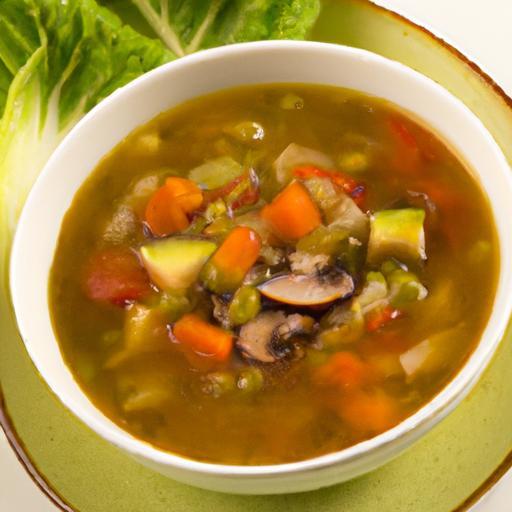
- Ladle soup into bowls, garnish with fresh thyme sprigs, and serve warm.
Tips for Success: Decoding and Savoring genuine Soups
- Label Literacy: Avoid soups listing ambiguous “natural flavors,” “MSG,” or “hydrolyzed vegetable protein.” These often mask artificial enhancement. Look for whole food ingredients up front, like real vegetables and broths.
- sensory Inspection: Authentic soups carry a layered aroma-earthy, fresh, and balanced. Artificial versions often smell overly salty or chemically sharp. Texture should be pleasant but not gummy or overly thickened with starches.
- Shop Smart: Choose brands that offer clear sourcing and minimal ingredient lists.local and organic producers often provide recipes closer to homemade standards.
- Storage Tip: Fresh soups freeze beautifully. Make a big batch and portion it to avoid impulse purchases of questionable canned products during busy weeks.
- Customization: Add fresh herbs or a splash of high-quality olive oil just before serving to revive depth lost during reheating or processing.
Serving suggestions
Present this wholesome soup in rustic earthenware bowls to celebrate its homey essence. Pair with crusty whole-grain bread or a crisp side salad tossed with citrus vinaigrette. Garnish with a sprinkling of fresh thyme leaves or a light dusting of black pepper for visual contrast and layered flavor.

| Nutrition per Serving | Amount |
|---|---|
| Calories | 220 kcal |
| protein | 14 g |
| Carbohydrates | 30 g |
| Fat | 4 g |
For a deeper dive into breaking down convenience food labels and improving home cooking skills, check out our complete guide to label decoding.
For scientifically backed insights on food additives and healthy eating,explore resources at the U.S. Food and Drug Governance (FDA).
Q&A
Unmasking Fake Soups: Your Guide to Spotting the Imposters
Q&A Edition
Q1: What exactly are “fake soups,” and why should I care?
A: Think of fake soups as culinary chameleons-soups that promise comfort and flavor but hide shortcuts like artificial flavors, excessive thickeners, or misleading labels. They often masquerade as homemade or wholesome but deliver a bowl of disappointment. Caring means empowering your palate and protecting your health from unnecessary additives and nutritional letdowns.
Q2: How can I tell if a soup is genuinely homemade or just a cleverly disguised imposter?
A: Authentic soups reveal themselves through texture and aroma. Homemade soups usually have a natural, varied consistency-chunky veggies or tender grains floating freely, not a uniform, syrupy blob. The aroma should smell fresh and inviting, not overly salty or chemically sharp. Also, real soups don’t linger on the tongue with an odd aftertaste typical of artificial flavorings.
Q3: are there any suspicious ingredients I should watch out for on a soup label?
A: Absolutely. If you see unpronounceable words like “maltodextrin,” “MSG,” or “carageenan” lurking near the bottom of the ingredient list, raise an eyebrow. While these aren’t inherently harmful in small amounts, their presence frequently enough signals heavy processing.Also, overly lengthy ingredient lists containing preservatives and flavor enhancers suggest the soup might be more fiction than fact.
Q4: What about the color and texture-can those give away a fake soup?
A: yes! Fake soups often wear their deceptions on their sleeves (or spoon). Artificially bright colors-like neon orange or unnaturally deep red-may hint at added dyes rather than real carrots or tomatoes. Texture can be a dead giveaway: if a “chunky vegetable” soup feels more like a smooth puree, or if you need a magnifying glass to find actual ingredients, you’re likely dealing with an imposter.
Q5: Is there a foolproof sniff test to detect fake soup?
A: While not foolproof, your nose is a powerful ally.Genuine soups greet you with a warm, layered scent-earthy herbs, fresh vegetables, perhaps a hint of simmering garlic. Fake soups often smell flat or overwhelmingly salty, sometimes even oddly sweet or chemical-like. Trust your instincts: if it smells “off,” it problably is.
Q6: Can packaged soups ever be trustworthy, or are they all imposters?
A: Packaged soups aren’t inherently villains.Some brands prioritize real ingredients and careful preparation, striving for a homemade taste. The key is to become a savvy label-reader and, when possible, seek out those that proudly list simple, recognizable ingredients. Organic or “clean label” certifications can also help separate the genuine from the gimmicks.
Q7: What steps can I take at home to avoid fake soups altogether?
A: Arm yourself with a few easy habits. First, try making your own soup with fresh ingredients-your kitchen is the ultimate truth detector. If buying, choose options with minimal ingredients and no artificial additives.Experiment with fresh herbs and spices to brighten flavors naturally, and stay curious: tasting mindfully lets you notice when a soup isn’t what it claims to be.
Q8: How does debunking fake soups benefit my wellbeing?
A: beyond the joy of a truly satisfying spoonful, unmasking fake soups means reducing your intake of unnecessary sodium, artificial chemicals, and empty calories. This supports better digestion,sustained energy,and clearer taste senses. Plus,it encourages mindful eating,connecting you with the nourishing stories behind your meal rather than processed shortcuts.
Q9: Are there visual tricks manufacturers use to tempt us, even when the soup is fake?
A: Oh, yes! Glossy surfaces can mimic fresh broth shimmer, while strategically placed floating bits might be tiny nuggets of “real” vegetables amid a sea of processed sludge. Packaging photography often shows vibrant, overflowing bowls brimming with colorful ingredients-yet the real soup inside might be pale and sparse. Remember: if it looks too good to be true on the box,it might be.
Q10: What’s the final spoonful of advice for every soup lover wanting to spot imposters?
A: Stay curious, trust your senses, and never underestimate the power of reading beyond the label’s flashy fonts. Real soup speaks softly but clearly: it nourishes, comforts, and delights with honest ingredients. When in doubt, simmer your own creation-it’s the ultimate unmasking ritual. Your taste buds will thank you.
In Summary
As we stir the pot on the world of soups,remember: not every bowl steams with authenticity. From artificial additives lurking beneath glossy surfaces to deceptive labels promising tradition but delivering shortcuts, fake soups are more common than you might think. But armed with your newfound knowlege, you’re no longer just a passive sipper-you’re a savvy soup detective, ready to unmask the imposters hiding in plain sight. So next time you reach for that comforting cup, trust your taste buds, read between the lines, and savor only the genuine flavors that warm both body and soul. After all, life is too short for anything less than hearty honesty in your bowl.