
In a world dominated by fast food and fleeting trends, sourdough bread stands as a testament to the enduring magic of tradition and patience. More than just a loaf, sourdough is a living, breathing craft-an ancient art that has been perfected thru centuries of cultural rituals and natural fermentation.Unlocking the secrets of sourdough means delving into the mysterious symbiosis between wild yeast and bacteria, understanding the subtle dance of time and temperature, and embracing the unpredictable beauty of a bread that’s as unique as the hands that shape it. Join us on a journey through history, science, and artisanal skill as we explore what makes sourdough not onyl a timeless staple but a captivating culinary adventure.
Unlocking the Secrets of Sourdough begins with an intimate understanding of the living ecosystem within every loaf. This age-old craft harnesses the power of wild yeasts and natural starters that have been cultivated by generations, transforming simple flour and water into a bread bursting with character, depth, and soul. Whether you’re nurturing your first bubbly starter or refining dough hydration for that perfect crumb, this guide will illuminate the engaging science and art behind every step.
Prep and Cook Time
- Active prep: 30 minutes
- Fermentation and proofing: 12-18 hours (depending on room temperature)
- Baking time: 30-40 minutes
- Total time: approximately 14-19 hours (mostly hands-off)
Yield
Yields one 900g (about 2-pound) artisan sourdough loaf, perfect for 8 generous servings.
Difficulty Level
Medium to Advanced: Ideal for bread enthusiasts eager to master fermentation and dough techniques with patience and practice.
Ingredients
- 500g bread flour (preferably unbleached, high-protein)
- 350g water (filtered, at room temperature)
- 100g active sourdough starter (fed and bubbly)
- 10g fine sea salt
Mastering Dough Hydration techniques for Perfect Texture
The secret to achieving that coveted open crumb lies in precise hydration. Start by combining 350g water with your flour to reach 70% hydration. This higher hydration invites a more extensible dough, allowing wild yeasts to flourish and develop beautifully gelatinized starches. Be gentle during mixing-use your hands or a dough whisk to fold ingredients, nurturing gluten formation without tearing delicate strands.
Step-by-Step Method
- Mix flour and water: In a large bowl, stir 500g bread flour and 350g water until no dry spots remain. Cover loosely and let rest (autolyse) for 45 minutes to enhance gluten advancement and enzymatic activity.
- Add starter and salt: Introduce your 100g active sourdough starter and 10g sea salt to the dough. Mix gently using the “pinch and fold” method until fully incorporated.
- Bulk fermentation: Cover bowl with a damp towel or plastic wrap. Every 30 minutes for the first 2 hours, perform a series of gentle stretch and folds right in the bowl to build strength.
- shape the dough: Turn the dough onto a lightly floured surface. Shape into a tight boule by folding edges underneath, creating surface tension for a gorgeous rise.
- Final proof: Place dough seam-side up in a floured banneton basket or bowl lined with a tea towel. cover and proof at room temperature for 3-4 hours, or refrigerate overnight for enhanced flavor complexity.
- Preheat oven with Dutch oven: At least 45 minutes before baking, preheat your oven to 500°F (260°C) with your Dutch oven inside to create a steamy environment for crust perfection.
- Score the loaf: Carefully invert dough onto parchment paper. Use a sharp lame or serrated knife to score a shallow slash to guide expansion.
- Bake: Place dough with parchment into the hot Dutch oven. Bake covered for 20 minutes, then remove lid and reduce temperature to 450°F (232°C). Bake an additional 20 minutes until deep golden brown.
- Cool: Transfer bread to a wire rack. Let cool wholly (at least 1 hour) to allow crumb to set and flavors to develop.
Secrets to Achieving the Ideal Crust and Flavor profile
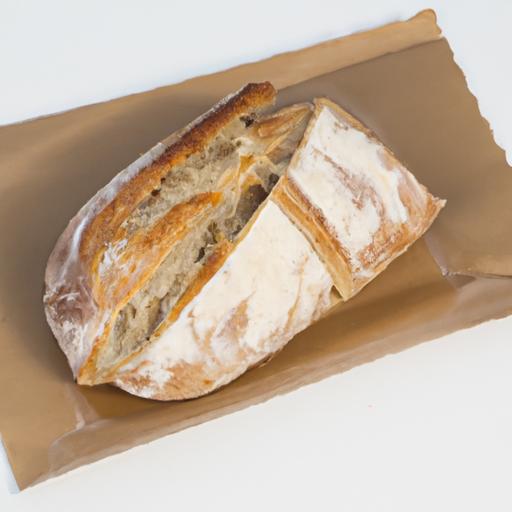
The hallmark of artisan sourdough is its deeply caramelized crust and tangy complexity. Achieve this by baking with steam-trapping moisture with a covered Dutch oven yields that shiny crackly crust.The slow fermentation allows natural acids and enzymes to break down proteins and starches, creating subtle nutty and mildly sour notes that elevate every bite.
Essential Tips for Maintaining and Nourishing Your Sourdough starter
Caring for your starter is the cornerstone of consistent success. feed it daily with equal parts flour and water, keeping it at room temperature or refrigerated depending on baking frequency. Discard or share excess starter to maintain a manageable culture size. Look for active bubbles and a pleasant, slightly tangy aroma-it’s a sign your wild yeasts are thriving and ready to bring life to your dough.
Chef’s Notes
- For a more open crumb, increase hydration to 75%, but be prepared for a stickier dough requiring extra folding finesse.
- Whole wheat or rye flour additions up to 20% can add depth of flavor and enhance fermentation.
- If your dough feels sluggish, try fermenting in a warmer (75-78°F) environment to encourage yeast activity.
- Use filtered water as it lacks chlorine, which can inhibit wild yeasts.
- For a make-ahead option, retard your shaped dough in the fridge overnight and bake fresh in the morning.
Serving Suggestions
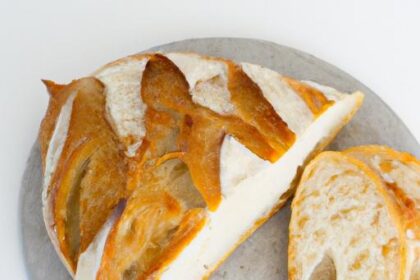
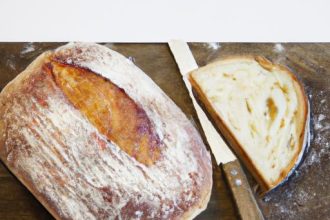
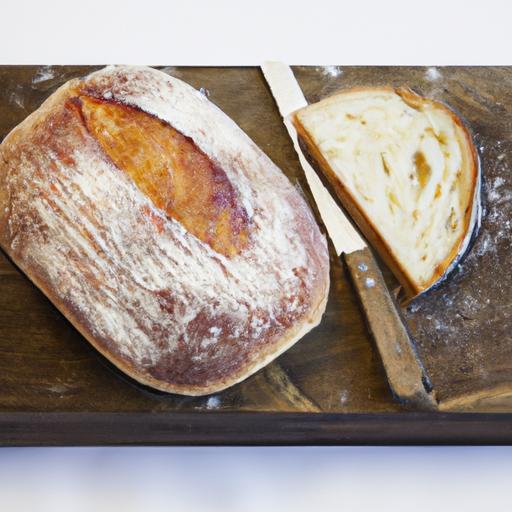
Slice your loaf with a serrated bread knife to reveal its network of airy pockets and tender crumb. This bread shines simply with high-quality olive oil and flaky sea salt or as the base for a vibrant avocado toast. Garnish with fresh herbs like rosemary or thyme for a fragrant finish. Pair with rustic cheeses, seasonal roasted vegetables, or a hearty bean stew for a truly memorable meal.

| Nutrient | Per Serving (1/8 Loaf) |
|---|---|
| calories | 185 kcal |
| Protein | 6.2 g |
| Carbohydrates | 38 g |
| Fat | 0.8 g |
For further insights into sourdough fermentation, explore our comprehensive fermentation techniques, and deepen your knowlege through this authoritative external resource on sourdough science.
Q&A
Unlocking the Secrets of Sourdough: A Timeless Bread Craft
Q&A to Rise Above Your baking Curiosity
Q1: What makes sourdough bread so unique compared to other breads?
A1: Sourdough is a living tradition – it’s not just bread, it’s a symphony of natural fermentation involving wild yeast and lactic acid bacteria. These microorganisms work together, creating a complex flavor profile and a chewy, airy crumb that industrial yeast simply can’t replicate. The slow fermentation not only enhances taste but also improves digestibility and shelf life, making each loaf a marvel born from patience and nature’s rhythm.
Q2: How do I start my own sourdough starter from scratch?
A2: Beginning your journey is as simple as mixing equal parts of flour and water, then inviting time to work its magic. Over days, the starter bubbles and grows as wild yeast and bacteria settle in, feeding on the flour’s sugars. Regular “feeding” with fresh flour and water nurtures these microbes, transforming a simple mixture into a lively community ready to leaven bread and infuse it with signature tangy notes.
Q3: Why is hydration crucial in sourdough baking,and how does it affect the final loaf?
A3: Hydration-the ratio of water to flour-plays a starring role in sourdough’s texture and crumb. Higher hydration yields a more open, airy crumb with glossy holes, while lower hydration results in a denser, chewier slice. Mastering water content allows bakers to coax out the dough’s elasticity and manage fermentation activity,ultimately shaping the loaf’s personality.
Q4: What’s the secret to getting that perfect crust on sourdough bread?
A4: The crust is born from a dance of heat, steam, and time. Baking in a hot, enclosed environment traps steam that keeps the dough’s surface moist initially, enabling the crust to expand before it crisps into a golden, crackling shell. Techniques such as using a Dutch oven or adding steam to your oven mimic this atmosphere, while scoring the dough guides its oven bloom, creating both beauty and structure.
Q5: Can sourdough baking be adapted for gluten-sensitive diets?
A5: While traditional sourdough is made with wheat flour containing gluten, the natural fermentation can partially break down gluten proteins, making the bread somewhat easier to digest for many people. Additionally, experimenting with gluten-free flours like buckwheat, rice, or sorghum combined with sourdough techniques can produce flavorful, textured loaves without gluten. It’s a frontier of creativity and science to explore!
Q6: How does the fermentation time impact the flavor and texture of sourdough bread?
A6: Fermentation is the heartbeat of sourdough. Longer fermentation allows more flavor compounds to develop and the crumb to mature, resulting in deep, tangy notes and a tender structure.However, timing is delicate – to short, and the bread lacks complexity; too long, and it risks over-acidity or weakened gluten structure. Skilled bakers tune fermentation like musicians, achieving harmonious balance and character.
Q7: What types of flour work best in sourdough baking?
A7: Whole grain flours like rye, whole wheat, and spelt bring robust flavors and nourish the starter with a wealth of nutrients that wild yeast adore. White bread flour offers strong gluten for structure, creating a light and elastic dough. Many bakers blend flours to craft unique flavor combinations and textures, unlocking endless creativity within the humble loaf.
Q8: How can I use sourdough discard creatively instead of tossing it?
A8: Sourdough discard is a baker’s secret weapon! It adds an irresistible tang and lift to pancakes, waffles, crackers, and even flatbreads. Incorporate it into savory batters or sweet treats to infuse subtle complexity without waste. This eco-friendly approach extends the sourdough magic beyond bread, turning every crumb into a culinary adventure.
Q9: What’s the cultural significance of sourdough throughout history?
A9: Sourdough is a bread that connects us to ancient civilizations. Its roots stretch back thousands of years, carrying stories of survival, adaptation, and craftsmanship across continents. This enduring method highlights humanity’s profound relationship with fermentation – a process that transforms simplicity into sustenance and ritual into artistry. Each loaf is a slice of history, alive in today’s ovens.
Q10: Any tips for aspiring sourdough bakers to keep their passion rising?
A10: Embrace patience and curiosity as your steadfast companions. Baking sourdough is as much about observing and listening to the dough as it is indeed about recipes. Celebrate the small successes and learn from each loaf’s quirks. Keep a journal, share your experiments, and remember – every crackling crust and tender crumb is a triumph of nature, science, and your own hands working in harmony.
Unlock the secrets of sourdough-one bubble, one ferment, one fragrant loaf at a time.
Wrapping Up
as the ancient art of sourdough continues to rise again in our modern kitchens, it reminds us that bread is more than just sustenance-it’s a living connection to history, science, and creativity. Unlocking the secrets of sourdough is not merely about mastering a recipe; it’s about nurturing patience,embracing the rhythms of fermentation,and honoring a tradition that has fed generations. So, whether you’re a curious beginner or a seasoned baker, each loaf is a journey-a timeless craft that turns simple ingredients into a story of transformation. Ready to let your dough rise and awaken the magic within? The secrets await your discovery, one bubble, one crust, one bite at a time.