
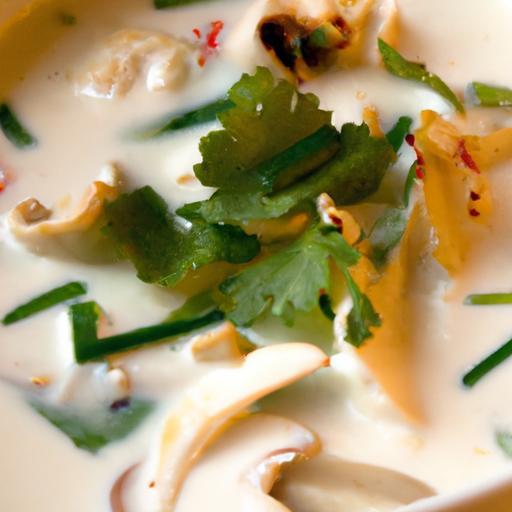
In the vibrant tapestry of Thai cuisine, few dishes capture the essence of the country’s bold and harmonious flavors quite like Tom Kha Gai. This aromatic soup, rich with creamy coconut milk, tender chicken, and a symphony of fragrant herbs, invites food lovers on a sensory journey through Thailand’s culinary heritage. More than just a comforting bowl,Tom kha Gai is a masterclass in balance-melding spicy,sour,sweet,and savory notes into one unforgettable experience. Join us as we explore the story behind this beloved coconut delight, uncover its traditional ingredients, and learn why it remains a cherished staple both in Thailand and kitchens around the world.
Origins and Cultural Significance of Tom Kha Gai in Thai Cuisine
Tom Kha Gai Soup is a timeless emblem of Thai culinary artistry, blending fragrant herbs and creamy coconut milk into a harmonious balance of flavor and warmth. Originating from the central plains of Thailand, this soup is cherished not only for its comforting qualities but also as a reflection of Thai philosophy – balancing sweet, sour, salty, and spicy sensations in one bowl. Traditionally enjoyed during cool or rainy seasons, Tom Kha Gai invites family and friends to gather around, sharing both nourishment and stories. Its subtle, layered flavors reveal the ingenious use of humble ingredients such as galangal and kaffir lime leaves, which are frequently enough unfamiliar to Western palates but indispensable in authentic Thai cooking.
Key Ingredients That Define Its Unique Flavor Profile
At the heart of Tom Kha Gai is the synergy of fresh, aromatic elements that provide its distinctive creamy yet vibrant taste. The key ingredients include:
- Galangal: This spicy, citrusy root imparts a sharp bite essential to the soup’s character.
- Kaffir lime leaves: Their fragrant oil adds brightness and complex citrus notes.
- Lemongrass: Fresh stalks add an invigorating lemon aroma and subtle sweetness.
- Coconut milk: creamy and rich, it softens the spices and creates the signature silky texture.
- Bird’s eye chilies: Small but potent,providing a balanced heat without overpowering.
- Chicken breast or thigh: Tender, lean protein that absorbs the broth’s flavors perfectly.
- Fish sauce: the salty umami backbone that ties all ingredients together.
- Fresh lime juice: adds the vital sour punch that wakes up the palate.
- Fresh cilantro and thai basil: Herbs that crown the soup with fresh,herbaceous notes.
Step by Step Guide to Crafting the Perfect Creamy Tom Kha Gai
Mastering Tom Kha Gai Soup is both an art and a delightful culinary journey. Follow these steps for a bowl that echoes the authentic flavors of Thailand.
Prep and Cook Time: 15 minutes prep, 25 minutes cook
Yield: Serves 4 generously
Difficulty Level: Medium – beginner cooks welcome with patience
- 1 1/2 cups coconut milk, full fat for creaminess
- 3 cups chicken stock or water
- 1 lb boneless, skinless chicken thighs, sliced thinly
- 3-4 slices galangal root
- 3 lemongrass stalks, smashed and cut into 3-inch pieces
- 4-5 kaffir lime leaves, torn
- 3-4 bird’s eye chilies, crushed (adjust to heat preference)
- 2 tbsp fish sauce
- 1 tbsp palm sugar or light brown sugar
- 3 tbsp fresh lime juice
- 1 cup mushrooms (straw or oyster mushrooms recommended), sliced
- 1 medium shallot, sliced thin
- Fresh cilantro and Thai basil leaves for garnish
- Prepare your aromatics: In a medium pot, combine the chicken stock, galangal slices, lemongrass pieces, kaffir lime leaves, and shallots. Bring to a gentle boil, then reduce heat and simmer for 10 minutes to infuse the broth.
- Add the chicken: Strain the broth to remove the herbs and return it to the pot. Add the sliced chicken thighs and mushrooms. Simmer gently until the chicken is just cooked through,about 5-6 minutes.
- Incorporate coconut milk: Stir in the coconut milk and bring the soup back to a gentle simmer. Avoid boiling vigorously to prevent curdling.
- Season and balance flavors: Add fish sauce and palm sugar; stir until dissolved. Taste and adjust for saltiness and sweetness.
- Add heat and acidity: Stir in bird’s eye chilies and remove the pot from heat.Add fresh lime juice last to preserve its brightness.
- Garnish and serve: Ladle the soup into bowls and sprinkle with fresh cilantro and Thai basil leaves. serve piping hot.
Pairing Suggestions and Serving Tips for an Authentic Experience
The best way to enjoy this creamy Thai classic is alongside fragrant, steamed jasmine rice to soak up the luscious broth. For a complementary contrast, serve with a crunchy Thai cucumber salad, lightly dressed with rice vinegar and a touch of chili. To elevate presentation, thinly slice fresh red chilies and scatter on top, or add a wedge of lime on the side for an extra citrus burst. Serve in rustic ceramic bowls to enhance the sensory experience, and accompany your meal with an aromatic Thai iced tea or a chilled coconut water.
Chef’s Notes & Tips for Success
- Ingredient quality matters: Using fresh galangal and kaffir lime leaves elevates flavor and authenticity dramatically compared to dried or powdered substitutes.
- Protein options: While chicken is classic, firm white fish or tofu can be excellent alternatives for variation.
- Heat level: Adjust bird’s eye chilies according to your spice tolerance; deseed to tame the heat.
- Make ahead: the broth can be prepared a day in advance and refrigerated, just add fresh chicken and coconut milk on cook day.
- Clear vs creamy: For a lighter version, reduce coconut milk quantity and add more stock.
| Nutrient | Per Serving |
|---|---|
| Calories | 280 kcal |
| Protein | 22 g |
| Carbohydrates | 8 g |
| Fat | 18 g |

For those who want to dive deeper into thai cuisine and explore related recipes, check out our Authentic Thai Green Curry Recipe.To learn more about the health benefits of coconut milk, visit Healthline’s Coconut Milk insights.
Q&A
Q&A: Tom Kha Gai Soup – Exploring Thailand’s Creamy Coconut Delight
Q1: What is Tom Kha Gai Soup?
A1: Tom Kha Gai is a traditional Thai soup known for its rich, creamy texture and vibrant flavors.The name translates to “chicken galangal soup,” highlighting its key ingredients: tender chicken and aromatic galangal root. this comforting dish perfectly balances creamy coconut milk, tangy lime, fragrant herbs, and a touch of heat.
Q2: What makes Tom Kha Gai unique compared to other Thai soups?
A2: Unlike the spicy and sour Tom Yum,Tom Kha Gai is renowned for its creamy coconut base that mellows the radiant flavors of lime juice,kaffir lime leaves,and fresh herbs. The galangal root gives it a distinctive earthy warmth, creating a soothing yet complex flavor profile that feels both indulgent and refreshing.
Q3: What are the essential ingredients in Tom Kha Gai?
A3: The heart of Tom Kha gai lies in fresh coconut milk, slices of galangal, kaffir lime leaves, lemongrass stalks, fresh chicken pieces, mushrooms, thai bird’s eye chilies for a gentle heat, fish sauce for umami depth, and freshly squeezed lime juice to brighten the dish. Fresh cilantro and green onions often finish the bowl.
Q4: Can you describe the flavor profile of Tom Kha Gai?
A4: Tom Kha gai delights with a harmonious trio of creamy, tangy, and savory notes. The coconut milk lends a smooth,luscious richness,complemented by the sharp citrus punch of lime. Earthy galangal and fragrant herbs weave a subtle spiciness and aromatic complexity that dance on the palate.
Q5: Is Tom Kha Gai spicy?
A5: The soup offers a mild to medium spice level, courtesy of fresh thai chilies. However, it’s typically gentler compared to other fiery Thai dishes. The cooling coconut milk helps moderate the heat, making it accessible for those new to spicy foods.
Q6: How is Tom Kha Gai traditionally served?
A6: Traditionally, Tom kha Gai is served hot as an appetizer or light main course. It’s frequently enough accompanied by steamed jasmine rice, which helps soak up the flavorful broth. The vibrant colors and aromatic steam make it a feast for both the eyes and the senses.
Q7: Can Tom kha Gai be made vegetarian or vegan?
A7: Absolutely! By substituting the chicken with tofu or hearty mushrooms, and replacing fish sauce with a plant-based alternative like soy sauce or tamari, Tom Kha Gai transforms beautifully into a vegan-friendly dish without losing its signature creaminess and bold flavor.
Q8: What are some tips for making the perfect Tom Kha Gai at home?
A8: Start with fresh ingredients-especially galangal and kaffir lime leaves-as they’re key to authentic flavor. Do not overcook the chicken; it should remain tender. Add lime juice toward the end to preserve its bright zing, and adjust seasoning carefully to balance salty, sour, and spicy notes. Simmer gently to keep the coconut milk from separating.
Q9: Why is Tom Kha Gai considered a comfort food in Thailand?
A9: This soup embodies warmth and balance, often enjoyed during cooler evenings or when feeling under the weather. Its soothing broth comforts the soul, while the invigorating herbs and spices uplift the spirit, making it a beloved remedy and a symbol of home-cooked goodness.
Q10: Where can someone experience authentic Tom Kha Gai outside Thailand?
A10: Many Thai restaurants worldwide feature Tom Kha Gai on their menus,especially places specializing in northern or central Thai cuisine. Look for eateries that emphasize fresh, quality ingredients and traditional cooking methods for the closest authentic taste. Alternatively, making it at home allows for a personalized exploration of this creamy coconut delight.
In Summary
from its fragrant lemongrass and zesty kaffir lime leaves to the rich embrace of creamy coconut milk, Tom Kha gai soup is more than just a dish-it’s a sensory journey through the heart of Thai cuisine. Weather you’re savoring it in a bustling Bangkok eatery or crafting it lovingly in your own kitchen, this beloved soup invites you to experience the harmonious balance of flavors that define Thailand’s culinary artistry. So next time you crave a comforting bowl that warms the soul and tingles the taste buds, remember Tom Kha Gai-a delicious reminder that sometimes, the simplest ingredients come together to create the most unforgettable delights.