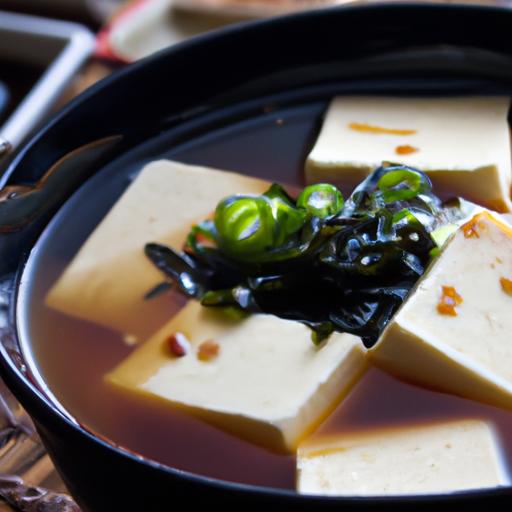




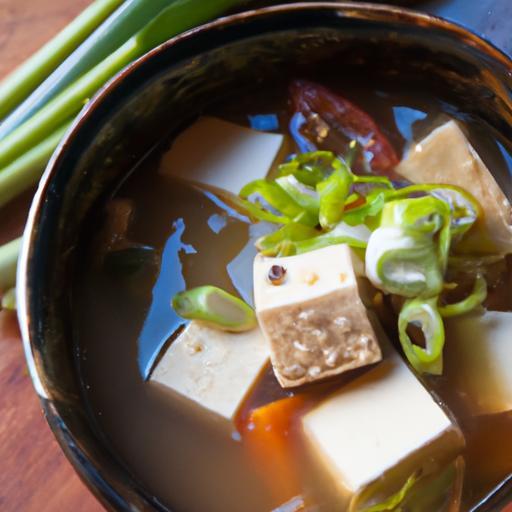
There’s a quiet magic in a steaming bowl of tofu miso soup-a humble concoction that warms the soul as much as it delights the palate. Rooted in centuries of Japanese culinary tradition, this comforting soup blends the rich, savory depth of fermented miso with the gentle silkiness of tofu, creating an umami-packed experience that’s both nourishing and soothing. Whether enjoyed as a simple starter or a meditative meal in itself, tofu miso soup embodies a perfect harmony of flavor and comfort, inviting us to slow down and savor every spoonful of this timeless, soul-soothing broth.
Tofu miso soup welcomes you into a world brimming with delicate umami layers and nourishing warmth, a dish beautifully rooted in Japanese culinary tradition. This humble yet profound soup, featuring silky tofu and fermented miso paste, is much more than an appetizer-it’s a comforting ritual that soothes the soul and revitalizes the body with every steaming spoonful.
Health Benefits That Make This Soup a Nourishing Choice
Rich in probiotics and plant-based protein, tofu miso soup acts as a natural booster for digestion and immunity. The fermented miso paste delivers beneficial bacteria that promote gut health, while tofu provides a gentle, complete protein source essential for muscle repair and cellular function. Low in calories and filled with antioxidants from seaweed and spring onions, this soup supports heart health and helps reduce inflammation, making it an ideal dish for any season.
prep and Cook Time
- Readiness: 10 minutes
- Cooking: 15 minutes
- Total Time: 25 minutes
Yield
Serves 4 generous bowls
Difficulty Level
Easy – Perfect for both weeknight dinners and leisurely weekend meals
Ingredients
- 6 cups water or vegetable broth
- 3 tablespoons white or yellow miso paste
- 200 grams firm tofu,cut into 1/2-inch cubes
- 1/4 cup dried wakame seaweed,soaked and drained
- 2 green onions,thinly sliced diagonally
- 1 teaspoon grated fresh ginger (optional)
- 1 tablespoon tamari or soy sauce (gluten-free if preferred)
- 1 teaspoon toasted sesame oil
- Optional garnish: finely chopped mitsuba or fresh shiso leaves
Step by Step Guide to Crafting the Perfect Bowl at Home
- Heat the base: In a medium pot,bring the water or vegetable broth to a gentle simmer. Avoid boiling vigorously to preserve the delicate flavors of the miso later.
- Prepare miso paste: In a small bowl, ladle about 1/2 cup of warm broth and whisk in the miso paste until a smooth slurry forms. This technique ensures even distribution without clumps.
- Add flavor enhancers: stir in the grated fresh ginger and tamari or soy sauce to the simmering broth,layering in subtle depth.
- Incorporate tofu and seaweed: Gently add the cubed tofu and rehydrated wakame into the pot. Simmer gently for 3-4 minutes to warm through,careful not to break the tofu cubes.
- Combine miso mixture: Remove the pot from heat briefly and slowly whisk the miso slurry into the soup base. Heat over low warmth onyl; do not boil to preserve probiotic benefits and prevent bitterness.
- Finish with aromatics: Drizzle the toasted sesame oil on top and stir in the sliced green onions evenly for a refreshing bite.
- Serve promptly: ladle the soup into warm bowls and garnish with optional mitsuba or fresh shiso leaves to elevate the herbal complexity.
Expert Tips for Elevating Your Miso Soup with Fresh Ingredients
- Choose your miso wisely: White miso offers a mild, sweet flavor, while yellow miso brings earthier tones.Experiment with blends for rich umami layers.
- Maintain gentle heat: Never boil the soup after adding miso, as high temperatures can destroy its delicate probiotics and cause bitterness.
- Tofu texture matters: For a creamier mouthfeel,try silken tofu gently warmed for a softer bowl. firm tofu works beautifully for defined texture.
- Add fresh veggies: Thinly sliced shiitake mushrooms or baby spinach leaves make great additions to boost nutrients and add complexity.
- Homemade dashi: For an authentic foundation, prepare kombu and bonito-based dashi stock; or keep it vegan by simmering kombu seaweed and dried shiitake mushroom.
- Make ahead: Prepare the broth and cubed tofu in advance, add miso just before serving, and enjoy soup that tastes freshly brewed every time.
Serving Suggestions
present your tofu miso soup in rustic ceramic bowls to highlight its earthy appeal. Pair it alongside steamed jasmine rice and a crunchy cucumber sunomono salad for a balanced meal. Garnish with a sprinkle of toasted sesame seeds or a few drops of chili oil for a subtle kick. A side of pickled vegetables or edamame beans further complements the softness of the tofu and enhances the textural harmony.

| Nutrient | Per Serving |
|---|---|
| Calories | 110 kcal |
| Protein | 9 g |
| Carbohydrates | 8 g |
| Fat | 4 g |
For more nourishing Japanese-inspired recipes, explore our Ultimate Japanese Soups Guide. To deepen your understanding of fermented foods and their health benefits, visit this detailed research article.
Q&A
Q&A: Tofu Miso Soup – A comforting Bowl of Umami Goodness
Q1: What makes tofu miso soup such a beloved comfort food?
A1: Tofu miso soup wraps you in warmth with its gentle, savory broth and tender cubes of tofu. The umami-rich miso paste, combined with simple, wholesome ingredients, creates a harmonious flavor that feels like a soothing hug in a bowl. It’s nourishing, easy to digest, and perfect for any time you crave a soulful, satisfying meal.
Q2: What exactly is miso,and why is it essential in this soup?
A2: Miso is a conventional Japanese fermented paste made primarily from soybeans,salt,and koji (a fermentation starter). It brings deep, savory notes known as umami to the soup, which elevates the flavor without overwhelming it. The fermentation process also enriches miso with probiotics, lending a subtle tang and boosting digestive health.
Q3: Why is tofu a great addition to miso soup?
A3: Tofu’s mild flavor and silky texture perfectly complement the salty, earthy miso broth. It’s a fantastic source of plant-based protein that absorbs the soup’s flavors while providing a pleasant creaminess. Soft or silken tofu variations create a luscious mouthfeel that makes every spoonful comforting and satisfying.
Q4: Can you make tofu miso soup vegan and still keep it flavorful?
A4: Absolutely! A vegan tofu miso soup relies on a vegetable-based dashi (broth) often made from kombu (kelp) and shiitake mushrooms. These ingredients deepen the umami profile naturally, allowing the miso and tofu to shine without animal products. The key is balancing savory and earthy flavors for that authentic taste.
Q5: What are some simple ingredients to include alongside tofu and miso?
A5: Commonly, ingredients like wakame seaweed, green onions, and sliced mushrooms join tofu and miso in the pot. These add texture, color, and layers of flavor-wakame brings a briny ocean essence, scallions offer freshness, and mushrooms contribute additional earthiness. Some like to toss in cubed daikon or carrots for extra heartiness.
Q6: How do you prevent miso from losing its delicate flavor when making soup?
A6: to preserve miso’s nuanced taste and nutrients,it’s best to add the miso paste at the end of cooking,after removing the broth from direct heat. boiling miso can kill live enzymes and flatten flavor, so gently dissolving it in a bit of warm broth and stirring in off the heat maintains its full savory character.
Q7: Is tofu miso soup nutritious?
A7: Yes! This soup is low in calories but rich in protein, vitamins, and minerals. Miso packs beneficial probiotics aiding gut health, while tofu provides calcium, iron, and essential amino acids. the seaweed adds iodine and antioxidants, making tofu miso soup a light yet nourishing choice for a balanced diet.
Q8: How versatile is tofu miso soup in terms of meal occasions?
A8: Incredibly versatile! It’s ideal for a swift breakfast, a light lunch, or a restful dinner. Its gentle flavors soothe after a long day or when feeling under the weather. Plus, it pairs beautifully with rice or steamed vegetables, making it a timeless staple in both casual meals and more elaborate spreads.
Q9: can you customize miso soup to suit different tastes and seasons?
A9: Definitely! experiment with various types of miso-white (shiro) for a mild sweetness, red (aka) for stronger depth, or mixed blends-to match your seasoning preference. Seasonal vegetables like spring carrots, summer zucchini, or autumn mushrooms can be added to reflect the changing year, keeping the soup fresh and exciting.
Q10: What’s the simplest way to get started making tofu miso soup at home?
A10: Begin with a quick dashi broth from kombu and dried shiitake, simmer gently, then add diced tofu, wakame, and sliced green onions. Turn off the heat, stir in a spoonful of miso paste until dissolved, and serve immediately. This straightforward technique unlocks layers of umami while keeping preparation fuss-free and rewarding.
Final Thoughts
As the steam rises gently from your bowl of tofu miso soup, it carries with it more than just warmth-it carries centuries of tradition, a delicate balance of flavors, and a quiet invitation to pause and savor the simple joys in life. This comforting bowl is more than a meal; it’s a soulful embrace of umami goodness, where silky tofu, savory miso, and subtle seaweed come together to create harmony in every sip.
Whether you’re seeking nourishment on a chilly evening or a gentle pick-me-up during a busy day, tofu miso soup reminds us that sometimes, the most profound comfort lies in the humblest ingredients. So next time you crave a taste of home and heart, let this timeless broth be your go-to bowl of cozy delight.