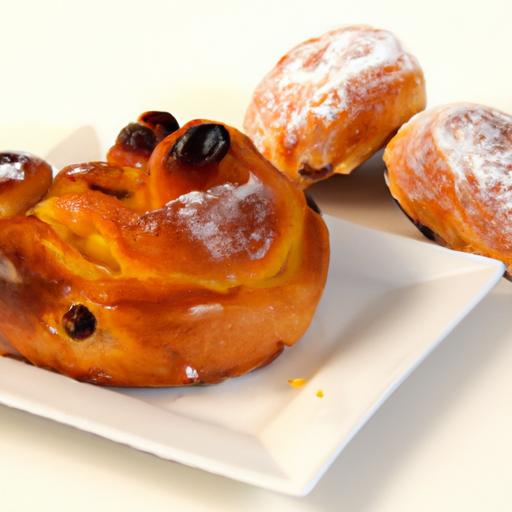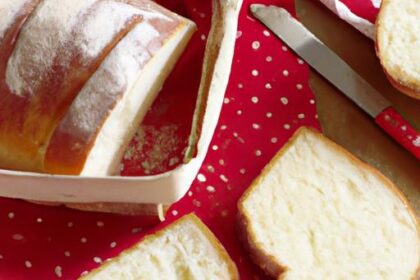
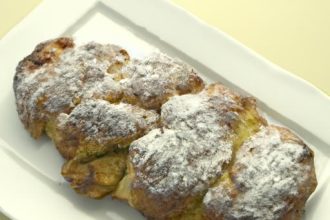


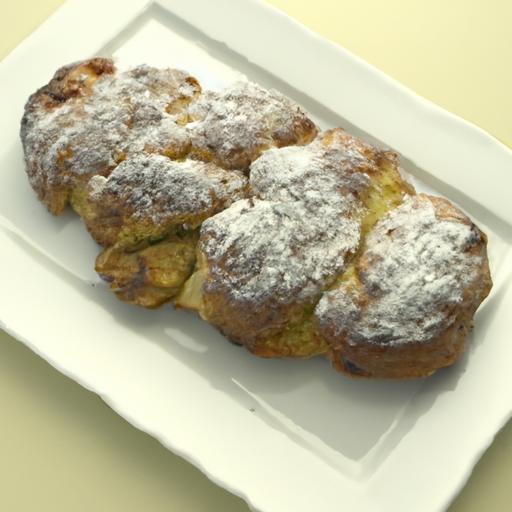
In the heart of Portugal’s rich culinary heritage lies a comforting and fragrant treasure: the beloved Portuguese sweet bread,or “pão doce.” This golden, slightly crisp-topped loaf carries with it centuries of tradition, weaving together simple ingredients with the warmth of family gatherings and festive celebrations. More than just a pastry, Portuguese sweet bread is a flavorful symbol of joy, hospitality, and cultural pride-a soft, subtly sweet embrace that invites both locals and visitors alike to savor a taste of Portugal’s sweet traditions. Join us as we explore the origins, variations, and timeless charm of this delightful bread that continues to brighten breakfast tables and holiday feasts across the globe.
Portuguese sweet bread delight is a cherished symbol of party, warmth, and family gatherings that transcends generations. This iconic bread, also known as “pão doce,” hails from the Azores and mainland Portugal, where it traditionally graces holiday tables and festive occasions, embodying the spirit of Portuguese hospitality. Its golden crust and tender, subtly sweet crumb make every bite an invitation to savor a piece of cultural heritage.
Origins and Cultural Importance of Portuguese Sweet Bread Delight
The origins of this beloved bread trace back several centuries, initially crafted as a special treat to mark religious festivals and community milestones. Historically, Portuguese sweet bread was made with simple ingredients readily available: flour, sugar, eggs, and yeast. Over time, families added touches like orange zest or vanilla to elevate the flavor. This bread symbolizes abundance, renewal, and the joy of sharing-especially during Easter and Christmas. Its braided or circular shapes often suggest unity and eternity,making it a centerpiece for conviviality across Portuguese households worldwide.
Prep and Cook Time
- Preparation Time: 30 minutes
- Rising Time: 1 hour 30 minutes
- Baking Time: 25-30 minutes
- Total Time: Approximately 2 hours 30 minutes
Yield
One loaf, serving 8-10 people
Difficulty Level
medium – ideal for bakers cozy with yeast doughs and patient enough to allow proper rising.
Key Ingredients and Secrets to Authentic Flavor
- 4 cups all-purpose flour, sifted – Provides structure and tenderness.
- 1/2 cup granulated sugar – For gentle sweetness balancing the richness.
- 1 packet (2 1/4 tsp) active dry yeast – The leavening powerhouse for a soft crumb.
- 1 cup whole milk, warmed (about 110°F) – Adds moisture and dairy richness.
- 4 large eggs, plus 1 for egg wash – For richness, color, and a velvety crumb.
- 1/3 cup unsalted butter, melted – Infuses softness and a delicate buttery flavor.
- 1 tsp pure vanilla extract – Signature aromatic warmth.
- 1 tbsp freshly grated orange zest – Adds luminous citrus notes,crucial for authenticity.
- 1/2 tsp salt – Enhances all flavors.
- Optional: pearl sugar or sliced almonds for topping – Adds crunchy texture and visual appeal.
Step-by-Step Guide to Baking Perfect Portuguese Sweet Bread Delight
- Activate the yeast: In a small bowl, whisk the warmed milk with 1 tbsp sugar and the active dry yeast. Let sit until foamy, about 5-10 minutes.This signals the yeast is alive and ready.
- Mix the dough: In a large mixing bowl, combine the flour, remaining sugar, orange zest, and salt. In a separate bowl, whisk together the eggs, melted butter, and vanilla extract. Add the foamy yeast mixture and egg mixture to the dry ingredients. Stir until it begins to come together.
- Knead: Turn dough onto a clean, floured surface. Knead for 8-10 minutes until smooth and elastic. Alternatively, use a stand mixer fitted with a dough hook for 6-7 minutes on medium speed.
- First rise: Shape the dough into a ball and place in a large greased bowl,turning once to coat. Cover with a clean towel or plastic wrap and let it rise in a warm spot for 1 to 1.5 hours, or until doubled in size.
- Shape the loaf: gently punch down the dough and transfer it to a floured surface. Shape as desired-classic round loaf,braided,or twisted for authentic flair.
- Second rise: Place the shaped dough on a parchment-lined baking sheet. cover and allow it to rise again for 30-45 minutes until puffy.
- Prepare for baking: Preheat the oven to 350°F (175°C). Brush the loaf generously with the beaten egg wash for that glossy,golden crust. Sprinkle with pearl sugar or sliced almonds if desired.
- Bake: Bake for 25-30 minutes, rotating halfway through. The loaf should be deep golden brown and sound hollow when tapped on the bottom. an instant-read thermometer inserted into the center should read 190°F (88°C).
- Cool: Transfer to a wire rack and let cool fully before slicing to preserve the delicate crumb structure.
Tips for Success
- Milk Temperature: Ensure milk is warm, not hot. Too hot kills yeast; too cool slows fermentation.
- Knead well: Develops gluten strength to create a tender yet sturdy crumb.
- Rising environment: Find a draft-free spot. An oven with the light on works perfectly.
- Flavor twists: Swap orange zest for lemon zest or add a pinch of cinnamon for variation.
- Make ahead: Dough can be shaped and refrigerated overnight for a slow ferment, enhancing flavor. Bring back to room temperature before the second rise.
- Storage: Wrap cooled bread tightly in plastic wrap or store in an airtight container to keep moist for 2-3 days.Freeze sliced for extended shelf life.
Serving Suggestions and Pairings to Enhance Your Delight
Portuguese sweet bread delight is incredibly versatile, making it an ideal centerpiece for breakfast, brunch, or dessert.Serve thick slices lightly toasted with butter and a drizzle of honey for a simple yet indulgent morning treat. It’s remarkable paired with rich cheeses like creamy ricotta or tangy mascarpone, or alongside fresh seasonal fruit for balanced sweetness.
For a comforting snack, try it with warm cups of Portuguese-style coffee or a subtly spiced chai tea. At festive occasions, slice and toast to create elegant french toast topped with fresh berries and a dusting of powdered sugar. Garnish platters with a few candied orange peels or edible flowers for a stunning presentation that honors tradition while delighting the senses.

| Nutrient | Per Serving (1 slice) |
|---|---|
| Calories | 210 kcal |
| Protein | 6 g |
| Carbohydrates | 35 g |
| Fat | 5 g |
For more on classic European breads, explore our article on artisan Breads from Europe. Learn captivating historical context and diverse recipes to expand your baking repertoire.
Discover the science of yeast and bread making in detail on King Arthur Baking’s official guide-a trusted resource by professionals and home bakers alike.
Q&A
Q&A: The Sweet Tradition of Portuguese Sweet Bread Delight
Q1: What is Portuguese Sweet Bread Delight?
A1: Portuguese Sweet Bread Delight, frequently enough known simply as “pão doce,” is a rich, fluffy, and golden bread that holds a beloved place in portuguese culinary tradition. Characterized by its slightly sweet flavor and tender crumb, it’s a bread crafted with love, often enjoyed during special occasions and family gatherings.
Q2: What makes this sweet bread so special compared to other breads?
A2: Its unique charm lies in its blend of simple, wholesome ingredients-flour, sugar, eggs, butter, milk, and yeast-combined with a patient rising process that results in a bread that’s both airy and moist. The subtle sweetness and buttery richness create a comforting, melt-in-the-mouth experience that goes beyond everyday bread.
Q3: Are there any secret ingredients that contribute to its distinctive flavor?
A3: Traditionally, the magic often comes from a touch of citrus zest-usually orange or lemon peel-which brightens the flavor and adds a delicate aroma. Sometimes a cinnamon stick is infused during dough preparation,layering in warm,fragrant notes.
Q4: How is Portuguese Sweet Bread traditionally served?
A4: Freshly baked and slightly warm, it’s typically sliced and served alongside butter or homemade jams, perfect for breakfast or an afternoon snack. It also shines as a delightful companion to a cup of rich coffee or fragrant tea, inviting moments of cozy indulgence.
Q5: What occasions is this sweet bread associated with in Portugal?
A5: While delicious any time of the year, Portuguese Sweet Bread Delight holds a special place during festive celebrations such as Easter, Christmas, and family reunions. Its preparation often becomes a cherished ritual, bringing generations together in the kitchen.
Q6: can Portuguese Sweet Bread Delight be enjoyed in ways other than plain?
A6: Absolutely! Beyond the classic slice with butter, it can be transformed into French toast, dipped in creamy custard, or used as a base for sweet sandwiches filled with seasonal fruits. Its versatility makes it a treasure for culinary creativity.Q7: Is it difficult to make Portuguese Sweet Bread at home?
A7: While it requires some patience-mainly due to the dough’s rising time-the process itself is straightforward. With a bit of care and attention, even novice bakers can achieve that signature soft texture and golden crust. The joy of baking this bread at home is part of its enduring magic.
Q8: How has the tradition of Portuguese sweet Bread influenced modern baking?
A8: Its timeless appeal has inspired bakers worldwide to experiment with enriched, flavored breads, rekindling appreciation for handcrafted, sweet yeast breads. Many modern recipes put creative spins on the traditional loaf-adding nuts, dried fruits, or alternative spices-while honoring its comforting essence.
Q9: Where can one find authentic Portuguese Sweet Bread if visiting Portugal?
A9: Local bakeries (padarias) in towns and cities across Portugal pride themselves on their pão doce. Each region may present subtle variations, making the discovery of this bread an appetizing adventure. Markets, festivals, and family kitchens are all wonderful places to experience the authentic taste.
Q10: What cultural values does Portuguese Sweet Bread Delight embody?
A10: More than just food, this sweet bread symbolizes warmth, hospitality, and the joy of sharing. It reflects Portugal’s rich heritage of craftsmanship, family bonds, and celebration-encapsulating the sweet moments that life offers when shared around the table.
In Summary
As the warm aroma of Portuguese sweet bread lingers in the air, it serves as more than just a delicious treat-it’s a heartfelt tradition that bridges generations and cultures. From the humble ovens of village bakeries to the festive tables across the globe, this golden, tender delight continues to symbolize comfort, celebration, and a touch of sweetness in everyday life. whether enjoyed with a cup of coffee at dawn or shared among loved ones during a holiday feast, portuguese sweet bread invites us all to savor not just its flavor, but the rich heritage it carries with every bite. In embracing this timeless tradition, we keep alive a story kneaded through time-a truly sweet testament to the enduring spirit of Portuguese culinary art.