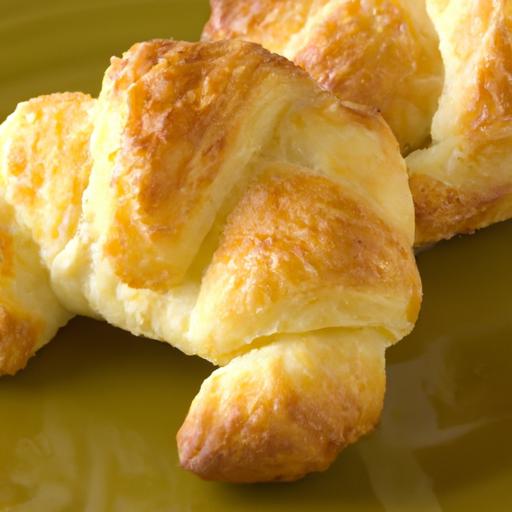


There’s something undeniably magical about a perfectly baked crescent roll-the way its golden,flaky layers gently pull apart,releasing a warm,buttery aroma that promises comfort in every bite. But achieving that ideal balance of crisp flakiness and rich, melt-in-your-mouth butteriness can feel like an elusive art. In this article, we’ll uncover the secret techniques and ingredients that transform simple dough into crescent rolls worthy of any bakery display. Whether you’re a seasoned baker or a curious kitchen adventurer, get ready to master the science and soul behind these irresistible pastries, and bring the taste of flaky, buttery perfection straight to your table.
Flaky & buttery textures are the hallmark of a truly perfect crescent roll – they beckon you with their delicate layers and melt-in-your-mouth softness. Achieving this sublime balance, however, hinges on understanding the science behind those flaky layers and selecting ingredients that elevate both flavor and texture. Every fold and turn in the dough builds those ethereal sheets of buttery goodness, while precise baking brings out that irresistible golden hue.
Prep and Cook Time
- Preparation: 3 hours (including dough resting & chilling)
- Active Cooking: 15-20 minutes
- Total Time: Approximately 3 hours 20 minutes
Yield
- 12 crescent rolls (serving size: 1 roll per person)
Difficulty Level
- Medium – requires patience and attention to technique but is accessible for motivated bakers.
Ingredients
- 3 ½ cups all-purpose flour,sifted
- 1 packet (2 ¼ tsp) active dry yeast
- 1 cup whole milk,warmed to 110°F (43°C)
- ⅓ cup granulated sugar
- 1 tsp fine sea salt
- ¾ cup (1 ½ sticks) unsalted butter,cold and cubed
- 1 large egg,beaten (for the dough)
- 1 large egg,beaten (for egg wash)
Instructions
- Activate the yeast: In a small bowl,combine the warm milk,yeast,and 1 tablespoon sugar. Let it sit 5-7 minutes until frothy, indicating active yeast.
- Make the dough: in a large bowl, whisk together the sifted flour, remaining sugar, and salt. Add the cold, cubed butter and use a pastry cutter or your fingers to work butter into the flour until the mixture resembles coarse crumbs with pea-sized bits of butter visible. This creates layers essential for flakiness.
- Incorporate egg and yeast mixture: Pour the activated yeast and beaten egg into the flour mixture. Stir until a rough dough forms.Knead lightly on a floured surface just until smooth-avoid over-kneading to keep dough tender.
- First rise: Shape dough into a ball and place in a lightly oiled bowl. Cover with plastic wrap and let rise in a warm spot for about 1 to 1½ hours, or until doubled in size.
- Roll and fold procedure: Punch down the dough gently and transfer to a floured surface. Roll into a rectangle about 12″x18″. Fold the dough into thirds like a letter, then roll out again. Repeat the folding and rolling process 2 more times to create distinct buttery layers that lead to flaky crescents.
- Chill the dough: Wrap the dough in plastic and refrigerate for at least 1 hour. Cold dough keeps butter intact and improves layer separation during baking.
- shape crescents: After chilling, roll dough into a 12″x18″ rectangle again. Cut into 12 triangles. Starting from the wide end, gently stretch each triangle and roll toward the point, forming a crescent shape.
- Prepare for baking: Place rolls on parchment-lined baking trays,curve ends inward to form crescents. Cover loosely with a towel and let rise another 30 minutes.
- Egg wash and bake: Preheat oven to 375°F (190°C). Brush each roll gently with beaten egg for that signature golden crust. Bake for 15-20 minutes until deeply golden and puffed.
- Cool and enjoy: Transfer to a wire rack to cool slightly before serving-this allows steam to escape, preserving soft interiors.
Tips for Success: Mastering Dough Preparation for Light and Airy Crescents
- Butter matters: Use high-quality unsalted butter with at least 82% fat for rich flavor and optimal melting behavior. European-style butter, like Plugrá or Président, enhances flakiness due to lower water content.
- Keep it cool: Work quickly to keep butter cold. If it warms too much, it will absorb into the flour rather than forming layers.
- Rest well: Chill dough between folds-this relaxes gluten and solidifies butter, critical for flaky layering that creates tender crescents.
- Don’t over-knead: Overworking gluten leads to tough rolls.Knead just enough to bring dough together before resting.
- Patience pays: Multiple folding and chilling cycles are key to creating those delicate layers of buttery dough. It’s the secret behind flaky & buttery crescents that impress every time.
Baking Tips to Achieve Golden Browns and Melt-in-Your-Mouth Softness
- egg wash magic: A light brush of beaten egg ensures that iconic glossy, golden finish while sealing moisture inside.
- Perfect oven temperature: Keep the temperature steady at 375°F (190°C). Too hot, and the exterior will burn before the inside cooks. Too cool, and you won’t get that crisp crust.
- Watch the clock: Bake rolls until just golden brown.Overbaking dries out delicate interiors.
- Cooling: Let rolls cool on a wire rack to prevent sogginess: air circulation keeps them tender yet airy.
Serving Suggestions
Serve these buttery crescents warm alongside brunch favorites such as scrambled eggs, fresh fruit, or a delicate honey butter spread. For an elegant touch, garnish with finely chopped fresh herbs like thyme or chives sprinkled atop. Pairing with a bowl of creamy tomato basil soup or homemade jam emphasizes their comforting, flaky layers.
| Nutrient | Per Roll (approx.) |
|---|---|
| Calories | 190 kcal |
| Protein | 4 g |
| Carbohydrates | 23 g |
| Fat | 9 g |
For more inspiring baking projects that celebrate flaky textures, check out our ultimate puff pastry guide.To deepen your understanding of butter’s role in baking chemistry, the American Butter Institute offers excellent resources and insights.

Q&A
Q&A: Flaky & Buttery – The Secret to Perfect Crescent Rolls
Q1: What makes crescent rolls flaky and buttery rather than dense and doughy?
A1: The magic lies in the layering of cold, buttery dough that’s meticulously folded and rolled to create delicate, paper-thin sheets. when baked, the water in the butter and dough turns to steam, puffing up those layers. This process is called lamination, and it’s the key to achieving that irresistible flaky texture paired with rich buttery flavor.
Q2: Is the type of butter important for perfect crescent rolls?
A2: absolutely! High-quality, high-fat butter with a slightly sweet, creamy profile enhances both flavor and texture. Avoid margarine or low-fat spreads, as they contain water and additives that compromise flakiness. European-style butters with higher fat content can elevate your rolls from good to unusual.Q3: Can I make crescent rolls without yeast and still get that flaky texture?
A3: Customary crescent rolls rely on yeast for that light, airy crumb and subtle tang. While some recipes use baking powder as a shortcut, they don’t develop the same depth of flavor or fluffiness.For best results, embrace yeast – it’s your partner in creating those melt-in-your-mouth layers.
Q4: How important is dough temperature during preparation?
A4: Keeping your dough and butter cold throughout the process is essential. Warm dough causes butter to melt into the flour rather of forming distinct layers, resulting in a tough, greasy roll. Chilling between folds maintains layer integrity and ensures that buttery pockets puff up beautifully in the oven.
Q5: Is the folding technique really necessary, or can I just roll the dough once?
A5: Folding is the secret handshake of flakiness. Each fold multiplies the layers exponentially – think of it as building a delicate, buttery mille-feuille inside your crescent roll.Skipping or rushing folds flattens the structure, while patient layering guarantees the signature lightness and crispiness.
Q6: What’s the best way to shape crescent rolls for even baking?
A6: Roll the dough into a large circle, cut into even triangles, and gently stretch each triangle before rolling from the wide end to the tip. This gentle stretch ensures a tight roll with those iconic crescent curves. For uniform baking, keep the rolls evenly sized and spaced on the baking sheet.
Q7: Can I add fillings without sacrificing flakiness?
A7: Yes! Delicate fillings like cream cheese, fruit preserves, or finely chopped nuts enhance flavor without weighing down the dough.Just remember to use small amounts to avoid sogginess, and keep the dough chilled during assembly to preserve texture.
Q8: How can I tell when my crescent rolls are perfectly baked?
A8: look for a golden-brown exterior with hints of caramelized butter along the edges. The rolls should sound hollow when tapped underneath and feel light, not dense. Resist the temptation to overbake – moist, flaky interiors are your tasty target.
Q9: Is it better to bake crescent rolls instantly or refrigerate the shaped dough before baking?
A9: Both methods work,but refrigerating the shaped rolls for 30 minutes to an hour helps relax gluten and firm the butter layers,leading to flakier texture and more controlled oven spring. Just bring them closer to room temperature before baking for even heat distribution.
Q10: What’s a simple finishing touch that elevates crescent rolls?
A10: A light egg wash brushed on before baking not only gives your rolls that desirable golden sheen but also helps toppings like coarse sugar or seeds stick beautifully. For an extra buttery finish, brush melted butter immediately after baking for that irresistible sheen and aroma.
Concluding Remarks
As you pull apart that golden, flaky crescent roll, buttery layers melting on your tongue, you realise the magic wasn’t just in the ingredients-it was in the dance of technique and patience. Perfecting crescent rolls is less about rushing and more about embracing the rhythm of folding, chilling, and rolling. With each fold, you’re crafting not just dough, but a tender, flaky masterpiece that transforms every breakfast, brunch, or snack into a buttery delight. So next time you crave that perfect crescent, remember: the secret lies in the loving layers, waiting to unfold bite by buttery bite.