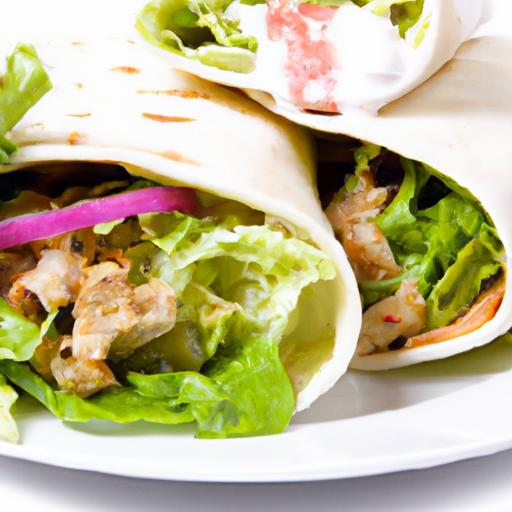

Few culinary delights capture the heart of Mediterranean cuisine quite like the gyro wrap-a symphony of tender, seasoned meat, fresh veggies, tangy sauces, and soft, warm pita bread, all folded into one irresistible handheld meal. but beyond its flavorful layers lies a interesting interplay of science and tradition that transforms simple ingredients into an unusual experience for the senses. In this article, we’ll unravel the secrets behind the perfect gyro wrap, exploring how precise techniques, ingredient chemistry, and cultural heritage come together to create a bite thatS as flavorful as it is iconic. Prepare to embark on a flavorful journey where science meets savor, uncovering what truly makes the perfect gyro wrap a culinary masterpiece.
The Science and Flavor Behind the Perfect Gyro Wrap begins with an intimate understanding of how the chemistry of gyro meat unlocks its signature tenderness and juicy texture. Traditionally made from a blend of ground lamb and beef, the magic lies in careful proportion, seasoning, and precise technique that transforms humble ingredients into a Mediterranean masterpiece.
Prep and Cook time
- preparation: 30 minutes
- Marinating: 4-6 hours (preferably overnight)
- Cooking: 45 minutes
Yield
Serves 6 hearty wraps
Difficulty Level
Medium – Ideal for home cooks ready to explore conventional methods with scientific precision
Ingredients
- 1 lb ground lamb (85% lean for juiciness)
- 1 lb ground beef (80% lean for fat content)
- 1 small onion, finely grated
- 3 cloves garlic, minced
- 1 tbsp fresh oregano, finely chopped (or 1 tsp dried oregano)
- 1 tbsp ground cumin
- 2 tsp ground coriander
- 1 tsp smoked paprika
- 1 tsp ground cinnamon
- 1 ½ tsp kosher salt
- ½ tsp black pepper, freshly ground
- ½ tsp crushed red pepper flakes (optional, for subtle heat)
- 2 tbsp cold water
- Olive oil, for cooking
- 6 pieces fresh flatbread (see preparation instructions below)
- Optional toppings: sliced tomatoes, red onions, tzatziki sauce, fresh parsley, and lemon wedges
Instructions
- Combine the meats: In a large bowl, blend the ground lamb and beef evenly for a harmonious fat-to-protein ratio-critical for both flavor and moisture retention.
- Add aromatics: Mix in grated onion,minced garlic,and fresh oregano to infuse the meat with vibrant Mediterranean notes.
- Season profoundly: Sprinkle in cumin, coriander, smoked paprika, cinnamon, kosher salt, black pepper, and optional red pepper flakes. These spices not only define authenticity but catalyze tenderization through enzymatic affinity.
- Add cold water: Pour in 2 tablespoons of ice-cold water and mix gently but thoroughly. The water molecules help distribute fat and proteins evenly, enhancing juiciness and binding.
- Marinate: Cover the mixture with plastic wrap and refrigerate for at least 4 hours, preferably overnight. this resting period allows meat proteins to relax and spices to deeply permeate.
- Shape the meat: Press the marinated meat onto a vertical skewer or form into compact logs if using a pan. The classic vertical spit imparts layering essential to gyro’s signature texture; if unavailable, a cast iron skillet works beautifully to mimic crisp edges.
- Cook meticulously: For spit-roasting, allow the outer meat to char slowly while juices drip inside. if using a skillet, heat olive oil over medium-high, then sear meat logs on all sides-approximately 12 minutes-until deeply caramelized and an internal temperature of 160°F (71°C) is reached.
- Prepare flatbread: Warm flatbreads by wrapping in a damp cloth and placing in a 350°F oven for 5 minutes or lightly grilling on a cast iron pan until pliable with golden brown spots.
- Slice and assemble: Thinly shave cooked gyro meat across the grain for maximum tenderness. Layer generously over warmed flatbread, add tzatziki, sliced tomato, red onion, fresh parsley, and a squeeze of lemon for brightness.
Tips for Success
- Meat ratio matters: The 50/50 blend of lamb and beef balances robust flavor with moisture. Too lean and the gyro becomes dry; too fatty and it loses structural integrity.
- Don’t skip the cold water: This simple addition improves the protein network, crucial to tenderness and even cooking.
- Spices: Always toast whole spices before grinding for amplified aroma and depth.
- Marinate time: Longer resting allows natural enzymes to work, tenderizing the meat without chemical additives.
- Flatbread options: Traditional pita or homemade homemade nightly-white flatbread is recommended. Avoid mass-produced store-bought to retain authentic texture.
- Cooking method: If no vertical spit, mimic by layering thin slices in a skillet and finishing under the broiler to caramelize edges.
- Make ahead: Cooked gyro meat can be refrigerated for up to 3 days and gently reheated-retain juices by reheating in a covered pan with a splash of water or broth.
Serving Suggestions
Serve the gyro wraps garnished with freshly chopped parsley and a drizzle of creamy tzatziki for cooling contrast. Complement the plate with crisp cucumber salad or roasted lemon potatoes to elevate the Mediterranean feast.
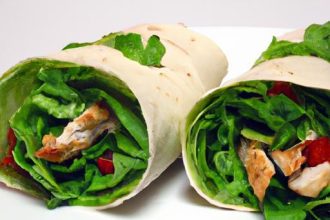
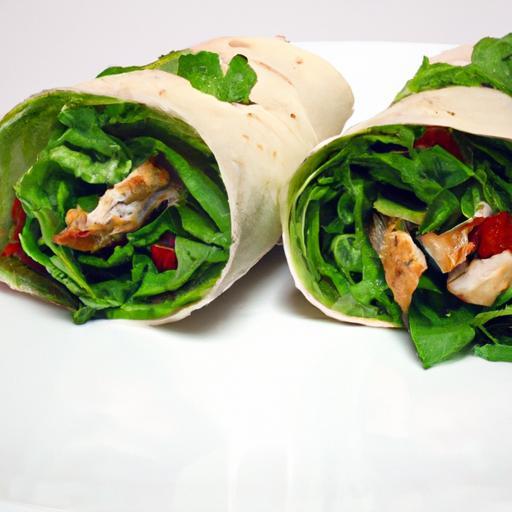
presentation matters: layer the flatbread slightly folded, showcasing vibrant reds of tomato and purples of onion peeking through tender meat slices. Include lemon wedges on the side for guests to add a zesty twang.

| Nutrient | Per Serving |
|---|---|
| Calories | 460 kcal |
| Protein | 34 g |
| Carbohydrates | 30 g |
| Fat | 22 g |
For an in-depth dive into Mediterranean cooking techniques and spice profiles, explore our comprehensive guide.Also,consult this authoritative science resource to better understand the chemistry behind meat tenderization and flavor development.
Q&A
Q&A: The Science and Flavor Behind the perfect Gyro Wrap
Q1: What makes a gyro wrap different from other Mediterranean wraps or sandwiches?
A1: The gyro wrap is a unique blend of tradition, technique, and flavor. Unlike many sandwiches, the gyro centers around spiced meat carved from a vertical rotisserie, which ensures juicy, tender slices with a slightly crispy edge. Combined with soft pita bread, creamy tzatziki, and fresh vegetables, these elements create a harmonious balance of textures and tastes that are distinctly gyro.
Q2: How dose the vertical rotisserie influence the flavor and texture of the meat?
A2: The vertical rotisserie allows the meat to cook evenly while continuously basting itself in its own juices. As the outer layer crisps up,it develops complex Maillard reactions-those delightful browning and caramelization processes-that deepen the flavor. This technique also locks in moisture, producing slices that are perfectly tender yet satisfyingly crisp.
Q3: What types of meat are traditionally used in a gyro wrap, and how are they prepared?
A3: Gyros are commonly made from lamb, beef, or chicken. The meat is thinly sliced and heavily seasoned with a blend of Mediterranean herbs and spices like oregano, garlic, and rosemary. It’s then stacked onto the rotisserie in layers. The slow roasting allows the spices to permeate deeply, creating rich, savory notes that define the gyro’s signature taste.
Q4: Why is tzatziki considered essential in the flavor profile of a gyro?
A4: Tzatziki plays a crucial role both in flavor and texture. This creamy yogurt-based sauce, infused with cucumber, garlic, dill, and lemon, adds a refreshing, tangy contrast to the rich, spiced meat. It also moistens the wrap, ensuring each bite is luscious without being heavy. The coolness balances the warmth and intensity of the grilled meat perfectly.Q5: How important is the choice of bread in assembling the perfect gyro?
A5: The pita bread acts as the gyro’s foundation-its slightly chewy, pillowy texture wraps around the filling without tearing or becoming soggy. The bread is often warmed or lightly grilled, which enhances its aroma and adds a subtle toasty flavor. A well-prepared pita holds all elements together,enabling that satisfying handheld experience.
Q6: What role do fresh vegetables play in the overall flavor balance?
A6: Fresh vegetables like tomatoes, onions, and sometimes shredded lettuce bring brightness and crunch to the gyro. They provide acidity and sweetness that cut through the savory meat, preventing the wrap from becoming too heavy. This contrast of fresh, crisp vegetables with rich, warm meat creates a complex and balanced bite every time.
Q7: Can the spices in gyro meat be customized without losing its authentic essence?
A7: Absolutely! While traditional spices such as cumin, coriander, and oregano form the backbone of gyro seasoning, slight variations can reflect personal or regional tastes.What remains key is maintaining harmony-balancing earthiness, warmth, and aromatic notes without overpowering the natural flavor of the meat.
Q8: What scientific principles apply to the layering of ingredients in a gyro?
A8: Building a gyro involves both flavor layering and structural integrity.Placing sauce directly on the pita creates a moisture barrier to prevent sogginess, while stacking meat and veggies in a way that distributes weight evenly avoids tearing. Additionally, alternating textures-crispy meat edges, creamy tzatziki, crunchy veggies-engages multiple senses, enhancing overall satisfaction.
Q9: How does temperature influence the final gyro wrap experience?
A9: Serving temperature is critical. Warm meat and bread release aromas and intensify flavors, while cool tzatziki and fresh veggies add contrast that refreshes the palate.This temperature play heightens enjoyment, much like a symphony where each instrument enters at the right moment to create dynamic harmony.
Q10: Why is the gyro wrap considered a perfect example of culinary science meeting cultural tradition?
A10: The gyro wrap embodies centuries of culinary knowledge passed down and refined through generations. It combines traditional cooking methods like rotisserie roasting with an intuitive understanding of how flavors and textures complement each other. This marriage of science and culture yields a dish that feels both timeless and delightfully satisfying-a true celebration of Mediterranean gastronomy.
In Summary
As we unravel the layers of the perfect gyro wrap, it’s clear that what makes this Mediterranean delight truly extraordinary is a harmonious blend of science and soul. From the precise balance of spices that awaken your palate to the artful assembly that ensures every bite delivers a symphony of textures, the gyro is more than just a meal-it’s an experience crafted by chemistry and tradition. So next time you savor that warm,fragrant wrap,remember: behind its irresistible flavor lies a fascinating dance of culinary science,elevating a simple street food into an enduring culinary masterpiece.