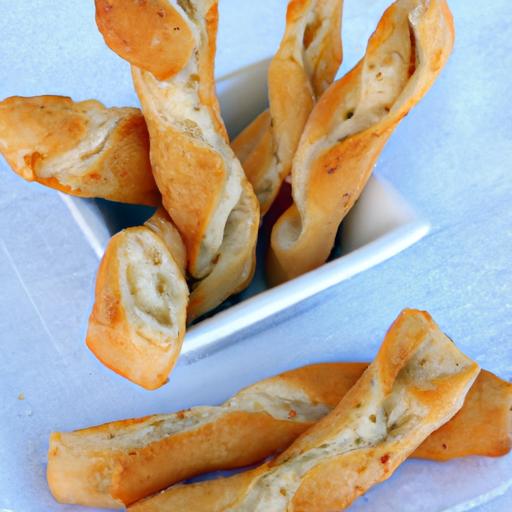

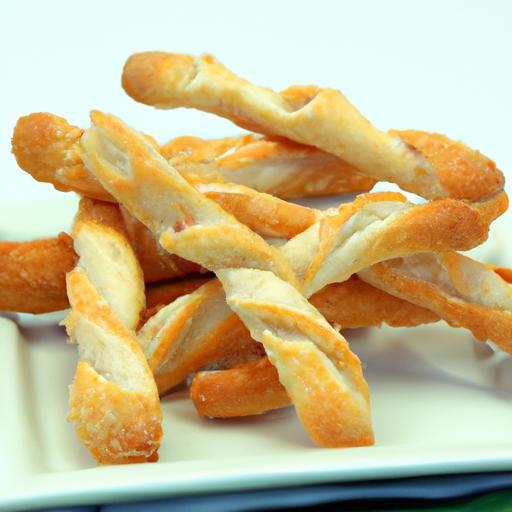
There’s something undeniably captivating about the simple crunch of a perfectly baked breadstick-a humble delight that has quietly woven itself into the fabric of culinary culture around the world. From rustic Italian tables to contemporary dining rooms, breadsticks offer more than just a crispy bite; they embody a blend of tradition, texture, and tantalizing flavor that beckons snackers and food lovers alike. In this exploration of “Crunchy Delights: The Irresistible Charm of Breadsticks,” we’ll unravel the history, the art of their creation, and the myriad ways these slender sticks of dough continue to inspire chefs and satisfy cravings. Prepare to discover why breadsticks, with their golden crust and airy crumb, hold a timeless allure that’s both comforting and irresistibly crunchy.
Crunchy delights like perfectly baked breadsticks invite warmth, comfort, and endless creativity into your kitchen. Originating from the rustic tables of Italy, these slender, golden sticks have transcended their humble beginnings to become beloved worldwide snacks and appetizers.Their delicate crunch paired with a soft, airy interior offers the perfect canvas for exploring flavor profiles-from classic garlic-infused batons to bold, exotic spice blends that awaken the palate. Whether served as a party starter or a cozy treat, mastering the art of breadsticks transforms any occasion into a culinary celebration.
Prep and Cook Time
- Preparation: 15 minutes
- Rising Time: 1 hour 15 minutes
- Baking Time: 12-15 minutes
- Total Time: Approximately 1 hour 45 minutes
Yield
Yields 20 medium-sized breadsticks, perfect for sharing or snacking throughout the week.
Difficulty Level
Easy to Medium – Ideal for beginner bakers seeking a rewarding baking project with room to customize.
Ingredients
- 3 ½ cups all-purpose flour, sifted
- 1 packet (2 ¼ tsp) active dry yeast
- 1 ¼ cups warm water (110°F / 43°C)
- 2 tbsp olive oil, plus extra for brushing
- 1 tsp granulated sugar
- 1 tsp fine sea salt
- 2 cloves garlic, minced (for classic garlic flavor)
- 1 tsp dried Italian herbs (optional for aromatic depth)
- 1 tsp smoked paprika or ground cumin (for exotic twist)
- Coarse sea salt for finishing
Instructions
- Activate the yeast: In a small bowl, combine warm water, sugar, and yeast. Stir gently and let sit for 5-7 minutes until foamy. This signals the yeast is alive and ready.
- Mix the dough: In a large bowl, whisk together the flour and sea salt. Add the olive oil, minced garlic, dried herbs, and exotic spices. Pour in the yeast mixture and stir with a wooden spoon until the dough comes together.
- Knead to perfection: Transfer dough to a lightly floured surface. Knead vigorously for 8-10 minutes until it becomes smooth and elastic. If the dough is sticky, dust lightly with flour but avoid adding too much.
- First rise: Place the dough in a lightly oiled bowl, cover with a damp cloth or plastic wrap, and leave in a warm spot for 1 hour or until doubled in size.
- Shape your breadsticks: Punch down the dough gently to deflate. Divide into 20 equal portions. Roll each into a uniform,slender stick approximately 6-8 inches long. Place on parchment-lined baking sheets, spacing apart for even cooking.
- Second rise: Loosely cover the shaped breadsticks with a clean towel and let them rise for 20 minutes until puffy.
- Preheat your oven: Set it to 400°F (200°C) to ensure a hot habitat for the perfect crust.
- Brush and sprinkle: Lightly brush breadsticks with olive oil. Sprinkle with coarse sea salt and additional herbs or spices if desired.
- Bake: Bake for 12-15 minutes, rotating halfway through for uniform color. Watch for a stunning golden hue with crisp edges.
- Cool and serve: Transfer to a wire rack to cool slightly but serve warm for an irresistible crunch and aroma.
Tips for Success
- For an ultra-crispy crust, place a shallow pan of water on the bottom rack during baking to create steam.
- If your dough feels too dry, add a teaspoon of water at a time; too sticky, sprinkle a bit more flour cautiously.
- Experiment with creative toppings like grated Parmesan, sesame seeds, or fresh rosemary to elevate flavors.
- Make ahead tip: Prepare dough and refrigerate overnight for a slow rise, enhancing depth of flavor.
- Use a sharp serrated knife to cut evenly sized strips to help maintain consistency while baking.
Serving Suggestions
present your breadsticks in a rustic basket lined with a clean linen cloth, garnished with fresh herbs like basil or parsley.Pair with a selection of dips such as:
- Classic marinara or spicy arrabbiata sauce
- Rich, creamy roasted red pepper hummus
- Garlic-infused olive oil with balsamic vinegar
- Whipped herbed ricotta or tangy tzatziki
Adding colorful dipping bowls and a sprinkle of crushed chili flakes or lemon zest on the dips brightens the presentation and flavor harmony. Breadsticks also shine alongside soups, salads, or antipasto platters for a delightful textural contrast.
| Nutrient | Per Serving (1 breadstick) |
|---|---|
| Calories | 110 kcal |
| Protein | 3 g |
| Carbohydrates | 20 g |
| Fat | 2.5 g |

Exploring Flavor Profiles with crunchy Delights
Delight in the versatility of breadsticks by diving into diverse seasoning blends that travel the globe. Traditional garlic butter merges seamlessly with italian herbs for a comforting classic, while spices like smoked paprika, za’atar, or ground cumin introduce exotic zest and visual appeal. Mixing finely grated citrus zest or toasted sesame seeds into your dough before shaping introduces exciting new aromatics.Each variation transforms your crunchy delights into bespoke creations that enchant and satisfy every palate.
For more inspiration, explore our guide on easy homemade pizza dough-a perfect companion to your breadstick adventures. For further reading on yeast baking fundamentals, the King Arthur Baking Company offers exceptional resources trusted by bakers worldwide.
Q&A
Q&A: Crunchy Delights – The Irresistible Charm of Breadsticks
Q1: What makes breadsticks such a universally beloved snack?
A1: Breadsticks captivate with their perfect balance of crunch and flavor, offering a satisfying texture that’s both light and hearty. Their simplicity makes them versatile, whether enjoyed plain, sprinkled with herbs, or dipped into savory sauces. This delightful crunch paired with subtle seasoning creates an experience that’s both comforting and intriguing.
Q2: How did breadsticks originate, and how have they evolved over time?
A2: Breadsticks trace their roots back to Italy, where they were originally crafted as a long-lasting, easy-to-transport bread for travelers. Over centuries, they’ve evolved from plain sticks of dough to a canvas for a variety of flavors, incorporating everything from garlic and rosemary to sesame and parmesan, making each bite a small celebration of culinary creativity.
Q3: What are some popular flavor variations of breadsticks?
A3: Beyond the classic salted variety, breadsticks come dressed in countless flavorful outfits. Herbs like rosemary, thyme, and oregano add mediterranean flair, while cheese toppings such as asiago or cheddar introduce a savory depth. Spices like cracked black pepper or chili flakes can turn up the heat, making every crunchy bite uniquely memorable.
Q4: Can breadsticks be incorporated into meals beyond just snacks or starters?
A4: Absolutely! Breadsticks serve as perfect companions to soups and salads,adding a textured contrast. They can also be creatively used as edible utensils for dips or layered in sharing platters with assorted cheeses and vegetables.In some innovative kitchens, crushed breadsticks even find their way into crusts or toppings, enhancing dishes with their signature crunch.
Q5: How can one make homemade breadsticks that rival those from artisan bakeries?
A5: the secret lies in a simple dough recipe enriched with olive oil and allowed to rise slowly, which ensures a tender interior and crispy exterior. Rolling the dough into thin, uniform sticks and brushing them with flavored oils or butter before baking helps achieve that golden, irresistible finish. A sprinkle of sea salt or your favorite herbs just before the oven adds that final flourish.
Q6: Are breadsticks suitable for special dietary preferences or restrictions?
A6: Breadsticks can be a friendly choice for many diets,especially when made with option flours-such as whole wheat,gluten-free blends,or even chickpea flour. They can be crafted without dairy or eggs, making them accessible to vegans and those with allergies. Plus, their simple ingredient list is easily adaptable to suit a variety of nutritional needs.
Q7: What role do breadsticks play in cultural dining experiences around the world?
A7: While their Italian heritage is most well-known, variations of breadsticks appear in many cultures, often symbolizing hospitality. They’re commonly served at communal tables, encouraging sharing and socializing. Their inviting crunch and approachable taste make them a global gesture of warmth-uniting people over food, conversation, and connection.
Q8: Why do breadsticks hold such nostalgic and emotional appeal for many people?
A8: Breadsticks often evoke memories of family gatherings, rustic pizzerias, or lively dinners with friends. Their humble nature paired with satisfying crunch triggers comfort and joy, reminding us that sometimes, the simplest foods create the richest experiences. They’re a small but mighty reminder that happiness can be found in a delightful crunch.
In Summary
Whether enjoyed as a simple snack, a side to a hearty meal, or a canvas for flavorful dips, breadsticks hold an enduring appeal that transcends cultures and tastes. Their golden crunch and subtle versatility invite endless creativity, making them a beloved staple in countless kitchens around the world.as we continue to explore and reinvent these humble sticks of dough, one thing remains certain: the charm of breadsticks is as irresistible as their tantalizing crunch, promising delight in every bite. So next time you reach for a breadstick,savor not just its flavor,but the rich tradition and endless possibilities it carries within.