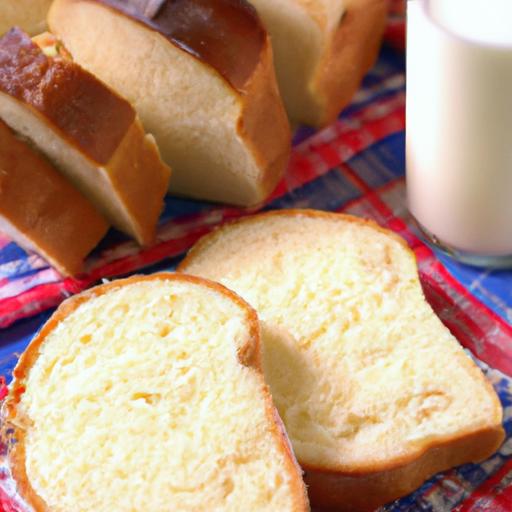


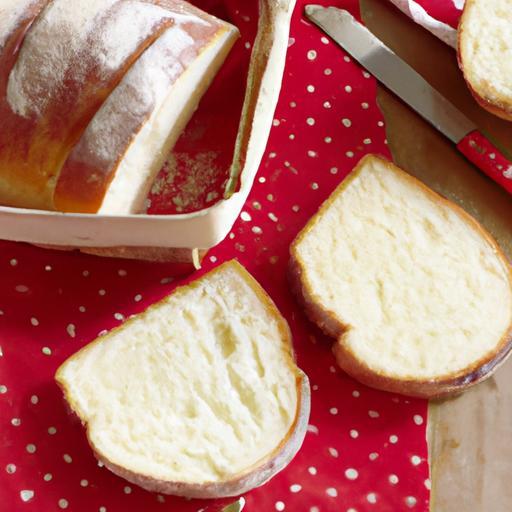
There’s something undeniably enchanting about milk bread-a loaf so irresistibly soft, it almost feels like biting into a cloud.This ”fluffy magic” isn’t just a happy accident; it’s the result of a carefully crafted interplay of ingredients and techniques that redefine what softness means in the world of bread.From its pillowy texture to its subtly sweet flavor, milk bread has captured the hearts of bakers and bread lovers alike, transforming humble slices into moments of pure comfort. In this article,we’ll unravel the secrets behind milk bread’s legendary softness and explore how this delicate yet resilient loaf continues to charm our senses and elevate everyday baking.
Milk bread captivates with its irresistibly fluffy texture and tender crumb,a quality that sets it apart in the world of baking. The fluffy magic of milk bread lies in the intricate science of its ingredients and techniques, which transform simple dough into a cloud-like loaf. Originating from Japanese and Korean bakeries, this bread has won hearts globally for its subtly sweet flavor and irresistibly soft bite, making it the perfect companion for both sweet and savory dishes.
Prep and Cook Time
- Preparation: 25 minutes
- Rising: 1 hour 30 minutes (divided)
- Baking: 25 minutes
- Total Time: 2 hours 20 minutes
Yield
Makes 1 medium-sized loaf, serving 8 slices
Difficulty Level
Medium – perfect for home bakers ready to explore advanced dough techniques
Essential Ingredients that Elevate Milk Bread to Fluffy Perfection
- 300g bread flour (high-protein for strong gluten development)
- 45g whole milk powder (for tender crumb and milky flavor)
- 5g instant yeast
- 45g granulated sugar (mild sweetness helps tenderize the dough)
- 6g fine sea salt (balances flavor)
- 180ml whole milk, warmed (activates yeast and enriches dough)
- 1 large egg (adds moisture and richness)
- 40g unsalted butter, softened (lubricates gluten and adds softness)
Step by Step Techniques to Achieve the Ultimate Tender Crumb
- Activate your yeast: In a small bowl, combine warm whole milk (around 40°C) with 1 tablespoon of sugar and instant yeast. Let it bloom for 5-7 minutes until frothy. this step ensures your dough rises beautifully.
- Mix dry ingredients: in a large mixing bowl, whisk together bread flour, milk powder, remaining sugar, and salt.
- Combine wet and dry: Make a well in the flour mixture, then add the frothy yeast, the beaten egg, and softened butter. Mix gently with a wooden spoon or dough hook attachment until the dough starts to come together.
- Knead for structure: knead the dough by hand for 12-15 minutes or use a stand mixer on medium speed for 8 minutes.Proper gluten development is critical for that iconic springy,fluffy texture.
- First rise: Shape the dough into a ball, cover with a damp cloth, and let it rise in a warm spot for about 1 hour, or until doubled in size. This fermentation builds flavor and gas bubbles that create tenderness.
- Shape the loaf: Gently deflate the dough and divide it into 3 equal portions. Roll each into smooth balls, then arrange them in a greased loaf pan, spaced evenly.
- Second rise: Cover the pan with plastic wrap or a damp towel. Let the dough rise again for 40 minutes or until puffy and nearly doubled.
- Bake to perfection: Preheat your oven to 180°C (350°F).Brush the loaf top lightly with milk or egg wash for a golden sheen. Bake for 20-25 minutes until the crust is lightly browned and the internal temperature reaches 90°C (195°F).
- Cool with care: Remove from the pan immediately and cool on a wire rack. Cooling prevents sogginess and helps set the tender crumb.
Expert Tips for Storing and Enjoying Milk Bread Fresh Every Time
- Store airtight: Keep the loaf in a sealed plastic bag or airtight container at room temperature for up to 3 days. Avoid refrigeration as it accelerates staling.
- Freeze for longevity: Slice and freeze portions in resealable bags. Toast directly from frozen to enjoy fresh taste and texture.
- Refresh before serving: Lightly warm slices wrapped in foil in a 150°C oven for 5-7 minutes to revive softness and aroma.
- use milk or cream wash: Brushing before baking enhances the loaf’s glossy finish and subtle sweetness.
- Butter temperature matters: Ensure butter is softened, not melted, for even incorporation that yields a tender crumb.
- Maintain dough temperature: Keep dough around 24°C-26°C during fermentation to avoid sluggish rising or overproofing, essential for consistent fluffiness.
Serving Suggestions
slice your fluffy milk bread thick or thin, depending on your craving. For a simple yet elegant presentation, slather with creamy almond butter and a drizzle of honey, or top with fresh berries and a dusting of powdered sugar. Its delicate sweetness pairs spectacularly with savory fillings too - consider sandwiches with smoked salmon and cucumber, or cheese and tomato for a comforting lunch. Toasted slices reveal a golden crust with a whisper-soft centre, perfect for breakfast or teatime.

| Nutrient | Per Slice (1/8 loaf) |
|---|---|
| calories | 180 kcal |
| Protein | 5g |
| Carbohydrates | 30g |
| Fat | 4g |
For those eager to deepen their bread-making knowledge, check out our guide on bread-making fundamentals.Also, explore the science of gluten development further on King Arthur Baking’s expert resource.
Q&A
Q&A: The Fluffy Magic of Milk bread: Softness Redefined
Q1: What makes milk bread so irresistibly soft and fluffy compared to regular bread?
A1: The secret behind milk bread’s legendary fluffiness lies in its unique ingredients and technique. Enriched with milk, often combined with butter and a touch of sugar, the dough becomes tender and rich. Milk’s proteins tenderize the gluten structure, resulting in a finer crumb and a pillow-like texture that practically melts in your mouth.Plus, a special starter called tangzhong-a cooked flour-and-water paste-locks in moisture, keeping the bread soft for days!
Q2: How does tangzhong influence the texture of milk bread?
A2: Tangzhong is pure magic in milk bread baking.This roux-like mixture gelatinizes starches from flour, allowing the dough to hold more water. The result? A bread that retains moisture like no othre, leading to a fluffy interior that doesn’t dry out quickly. It’s like giving your bread a little hydration boost that transforms each bite into a soft cloud of comfort.
Q3: Can I make milk bread without a bread machine or fancy equipment?
A3: Absolutely! Milk bread is wonderfully approachable for home bakers. While a stand mixer can make kneading easier, you can also knead the dough by hand. The key is patience and gentle folding to develop that silky gluten network. With basic kitchen tools and step-by-step guidance, you too can create gorgeous loaves with that iconic softness.
Q4: What are some creative ways to enjoy milk bread beyond simple slices?
A4: Milk bread’s buttery texture and subtle sweetness make it a canvas for endless culinary creativity. Try it toasted with a smear of fragrant jam,or transform it into airy,indulgent French toast. Its soft crumb is perfect for delicate tea sandwiches or as a base for sweet and savory bread puddings. The possibilities are as fluffy as the bread itself!
Q5: How does milk bread compare nutritionally to other breads?
A5: Milk bread tends to be richer than typical white bread due to milk,butter,and sugar,which add calories and fat. However, its enhanced hydration can make it easier to digest and gentler on sensitive stomachs.For a balanced approach, consider pairing milk bread with nutrient-rich toppings like fresh fruits, nut butters, or wholesome spreads to complement its softness with added nutrition.
Q6: Is there a cultural story behind milk bread?
A6: Yes! Milk bread traces its roots to Japan, were it’s known as “shokupan”-a staple in households and bakeries alike. It embodies the Japanese art of balancing texture, flavor, and simplicity, elevating everyday bread to a delicate work of edible comfort. This bread has since won hearts worldwide, inspiring bakers to infuse their kitchens with its gentle magic.
Q7: How do I store milk bread to keep it soft?
A7: To maintain that signature fluffiness, store milk bread in an airtight container or bread box at room temperature. Avoid refrigeration, which can dry out the loaf faster.If you need to keep it longer, freezing slices individually wrapped in plastic wrap preserves moisture and softness-just toast or warm slices straight from the freezer for freshly baked vibes!
Embrace the fluffy magic of milk bread, where softness is redefined and every slice is a gentle hug for your palate. Happy baking!
In Conclusion
in the world of baked wonders, milk bread stands apart as a gentle whisper of culinary magic-its pillowy softness a testament to time-honored techniques and a touch of creamy indulgence. More than just bread, it’s an experience that redefines what softness means, inviting us to savor each bite with a newfound appreciation for texture and tradition. Whether toasted golden or enjoyed fresh from the oven,milk bread continues to enchant with its fluffy allure,reminding us that sometiems,the simplest ingredients combine to create the most extraordinary comfort. So next time you reach for a loaf, consider the subtle magic kneaded within-because softness isn’t just felt, it’s beautifully crafted.