

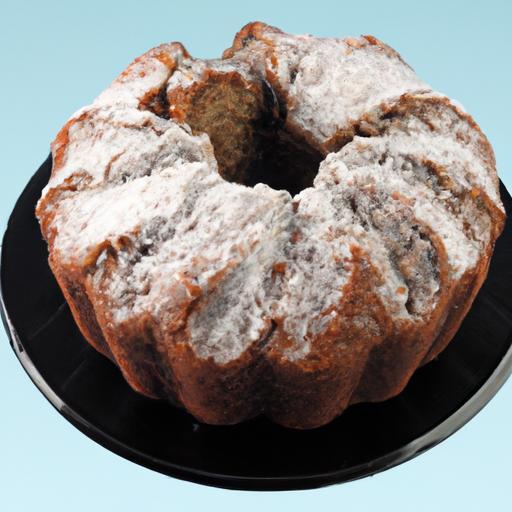
There’s something irresistibly comforting about a slice of coffee cake-its tender crumb, buttery aroma, and just the right touch of sweetness come together like a warm invitation to pause and savor the moment. But beyond its status as a beloved breakfast treat or afternoon indulgence, coffee cake carries a rich history infused with cultural traditions and evolving recipes that have delighted taste buds across continents. In this article, we’ll journey through the fascinating origins of coffee cake, uncovering how it earned its name and place in our hearts, before diving into a variety of mouthwatering recipes that showcase its timeless appeal. Whether you’re a seasoned baker or a curious foodie, prepare to explore the delightful world of coffee cake, where heritage meets flavor in every bite.
The Delightful World of Coffee Cake offers a fascinating journey through the diverse origins and evolving traditions that have shaped this beloved treat. Rooted in European baking customs and enriched by American adaptations, coffee cake has transcended borders to become a staple morning indulgence worldwide. From the rich cinnamon streusel of Germany’s Streuselkuchen to the tender nut-studded squares popular in Scandinavian cafés, this cake invites you to experience textures and flavors that perfectly complement your morning brew.
Prep and Cook Time
- planning time: 15 minutes
- Cooking time: 35-40 minutes
- Total time: 50-55 minutes
Yield
Serves 8 generous portions
Difficulty Level
easy to Medium – perfect for novice bakers seeking a rewarding and flavorful result
Signature Ingredients That Define the Perfect Coffee Cake
What sets coffee cake apart is its balance of buttery richness and a crumbly, flavorful topping that contrasts with a moist interior. The ideal marriage of all-purpose flour,brown sugar,and cinnamon creates a warm,comforting aroma with every bite. Adding sour cream or yogurt maintains moisture, while crunchy nuts or a simple crumb topping offer texture variety.The subtle hint of vanilla deepens layers of flavor without overpowering your beloved morning coffee.
Ingredients
- 2 cups all-purpose flour, sifted
- 1 cup granulated sugar
- 1/2 cup light brown sugar, packed
- 1 teaspoon baking powder
- 1/2 teaspoon baking soda
- 1/2 teaspoon salt
- 1 cup sour cream
- 2 large eggs, room temperature
- 1/2 cup unsalted butter, melted and cooled
- 2 teaspoons pure vanilla extract
- 1 tablespoon ground cinnamon
- 3/4 cup chopped walnuts or pecans (optional)
- For the crumb topping:
- 1/2 cup all-purpose flour
- 1/2 cup light brown sugar
- 1 teaspoon ground cinnamon
- 1/4 teaspoon salt
- 4 tablespoons unsalted butter, cold and cubed
baking techniques to Achieve Moisture and Flavor Balance
The secret behind a moist coffee cake lies in the use of sour cream and gentle mixing to avoid overdeveloping gluten-this keeps the crumb tender and moist. Incorporating melted butter rather than creaming whole butter and sugar yields a denser, more flavorful crumb. The crumb topping should be assembled by cutting cold butter into dry ingredients quickly to form coarse,sandy clumps that become golden and crunchy during baking. baking at a moderate 350°F (175°C) ensures even cooking without drying the cake.
Instructions
- preheat your oven to 350°F (175°C). Grease and flour a 9-inch square baking pan or line it with parchment paper for easy removal.
- In a large bowl, combine 2 cups flour, baking powder, baking soda, salt, and 1 tablespoon cinnamon. Set aside.
- In a seperate mixing bowl, gently whisk together the eggs, granulated sugar, light brown sugar, melted butter, sour cream, and vanilla until fully combined but not overmixed.
- Slowly fold the dry ingredients into the wet mixture, stirring just until the batter is uniform. Fold in the chopped nuts if using.
- Prepare the crumb topping: In a small bowl, mix 1/2 cup flour, brown sugar, cinnamon, and salt. Use a pastry cutter or your fingers to cut in the cold butter until the mixture resembles coarse crumbs.
- Pour half of the batter into the prepared pan and spread evenly. Sprinkle half the crumb topping over this layer.
- Add the remaining batter on top, smoothing it gently to avoid disturbing the crumb layer beneath, then finish with the rest of the crumb topping.
- Bake for 35-40 minutes or until a toothpick inserted into the center comes out clean and the crumb is golden brown and crisp.
- Cool the cake in the pan on a wire rack for at least 15 minutes before slicing to allow flavors to meld and the crumb to set perfectly.
Tips for Success
- Use room-temperature eggs for maximum volume and smoother integration.
- Don’t overmix the batter to prevent dryness and toughness; a few lumps are okay.
- Experiment with topping variations: try adding a pinch of nutmeg or cardamom to the crumb for a unique twist.
- for a dairy-free version,substitute plain coconut yogurt for sour cream and use a plant-based butter option.
- This cake keeps well at room temperature,but refrigerate if you live in a warm climate. Reheat slices gently in the microwave for a fresh-from-the-oven experience.
Serving Suggestions
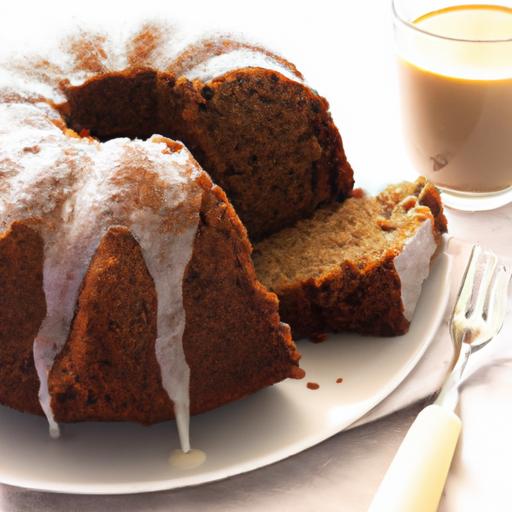
Present this cake warm alongside a fresh pour of coffee or espresso. Garnish with a light dusting of powdered sugar or a drizzle of honey for an added touch of elegance. Fresh berries or a dollop of whipped cream compliment the cake’s buttery crumb and cinnamon topping beautifully. For an inviting brunch table, place slices on rustic wooden boards or pastel ceramic plates to highlight the cake’s golden hues and crumbly texture.

| Nutrient | Per Serving |
|---|---|
| Calories | 320 kcal |
| Protein | 5 g |
| Carbohydrates | 45 g |
| Fat | 12 g |
for deeper insights into baking techniques and to complement your coffee cake experience, explore our comprehensive guide to baking fundamentals. Additionally, for historical context on coffee and its cultural impact, the National Coffee Association USA offers an authoritative resource on coffee’s journey worldwide.
Q&A
Q&A: The Delightful World of Coffee Cake – History and Recipes
Q1: What exactly is coffee cake,and how does it differ from other cakes?
A1: Coffee cake is a tender,buttery cake frequently enough enjoyed alongside a cup of coffee-so the name! Unlike sweeter,dessert-focused cakes,coffee cake tends to have a crumbly streusel topping or swirled fillings like cinnamon or fruit,offering a balanced sweetness that’s perfect for breakfast or an afternoon treat. It’s less about frosting and more about texture and aroma, making it a cozy companion for your coffee ritual.
Q2: Where did coffee cake originate, and how has it evolved over time?
A2: coffee cake’s roots trace back to europe, particularly Germany and Scandinavia, where versions like the crumb-topped “streuselkuchen” became popular in the 17th century. Immigrants brought these recipes to America, where coffee cake evolved to include regional twists-think sour cream, nuts, and fruit layers. Its evolution reflects cultural love for combining comforting cake with social coffee moments.
Q3: What are the essential ingredients that define a classic coffee cake?
A3: At its heart,a classic coffee cake involves flour,sugar,butter,eggs,and leavening agents like baking powder or soda.What sets it apart is frequently enough the streusel topping-a mix of butter, sugar, and crunchy ingredients like cinnamon, nuts, or oats-and sometimes a ribbon of cinnamon or fruit swirled inside. Sour cream or yogurt also commonly make an appearance, lending moistness and a slight tanginess.
Q4: Can coffee cake be made in variations beyond the conventional cinnamon crumb?
A4: Absolutely! Coffee cake is wonderfully versatile. Beyond the iconic cinnamon crumble,you’ll find versions studded with fresh berries,slivered almonds,or even pumpkin spice during cozy seasons. Some recipes incorporate fruits like apples or peaches, while others are enriched with flavors like orange zest or cardamom, creating layers of taste and aroma that elevate the humble coffee cake experience.Q5: Is coffee cake always baked in loaf pans or could it take other shapes?
A5: While loaf pans and round bundt pans are classics-giving coffee cake its signature slices-it can also shine in square or rectangular pans for easy serving at brunches. Muffin tins even make delightful single-serving coffee cakes, perfect for on-the-go treats.The shape frequently enough reflects occasion and style, but the magic lies in that moist crumb and streusel topping, regardless of form.
Q6: What tips can help home bakers achieve the perfect coffee cake texture?
A6: To nail that tender yet crumbly texture, use room-temperature butter and eggs to encourage smooth batter blending.Don’t overmix; gentle folding preserves lightness.Incorporating sour cream or yogurt ensures moistness. bake just until a toothpick comes out clean-overbaking can dry the cake and lose that luscious crumb.
Q7: How do coffee cakes complement the coffee experience without overpowering it?
A7: Coffee cakes are crafted to enhance, not overwhelm. Their moderate sweetness and rich buttery notes play off the coffee’s bitterness and complexity, offering a harmonious balance. The cinnamon and nutty streusel topping often adds warmth and crunch, creating a sensory duet that makes sipping coffee and nibbling cake a ritual of comforting flavors.
Q8: Are there popular coffee cake traditions or celebrations where this cake shines?
A8: Yes! Coffee cake frequently enough stars at weekend brunches, holiday breakfasts, and cozy gatherings. In many families, baking coffee cake is a seasonal tradition, bringing warmth to autumn mornings or festive celebrations.Its approachable nature makes it a beloved centerpiece for casual conversations around the coffee pot,marking moments of pause and enjoyment.
Q9: Can coffee cake recipes be adapted for dietary preferences like gluten-free or vegan?
A9: Definitely! gluten-free flours can replace traditional wheat, often paired with xanthan gum for structure.Vegan versions substitute butter with plant-based oils or margarines, and eggs with flaxseed “eggs” or applesauce. While the texture might vary slightly, these adaptations still capture the essence of coffee cake, ensuring everyone can savor its delightful charm.
Q10: Where can I find inspiring coffee cake recipes to start my baking adventure?
A10: The wonderful world of coffee cake recipes awaits in cookbooks focused on baking classics, culinary blogs, and trusted food websites. Look for recipes featuring familiar ingredients like cinnamon, brown sugar, and sour cream to get started. Experiment with toppings-nuts, berries, crumb mixtures-and soon you’ll craft your own signature coffee cake that invites plenty of commentary around your morning mug.
Concluding Remarks
As the aroma of fresh coffee cake lingers in the air, we are reminded that this humble treat is more than just a sweet companion to our daily brew-it’s a slice of history, culture, and comfort all rolled into one. From its rustic origins to today’s innovative twists, coffee cake continues to captivate palates and hearts alike. Whether you’re savoring a crumbly cinnamon streusel topping or exploring new recipe variations, the delightful world of coffee cake invites you to pause, enjoy, and share a timeless tradition that makes every coffee break a little more special. so go ahead-bake a batch, sip your coffee, and let the stories and flavors of coffee cake enrich your day.