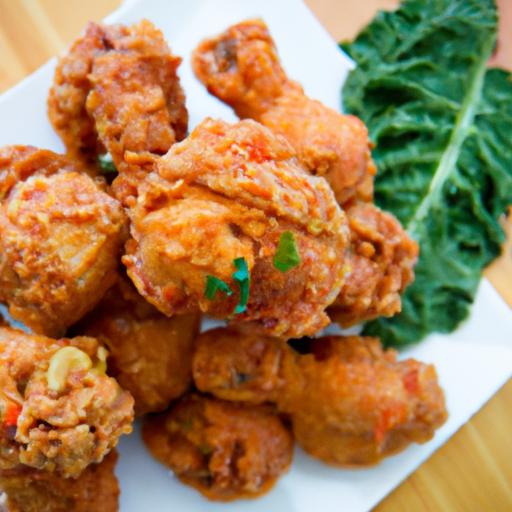


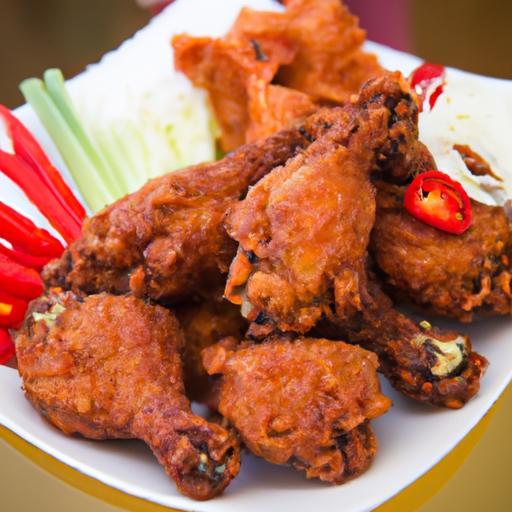
In the vibrant world of global cuisine, few dishes ignite the senses quite like spicy Korean fried chicken. Beyond its crispy exterior and tender, juicy meat lies a fiery symphony of flavors that dazzle the palate and elevate the humble chicken wing to an art form.”Fiery Flavors Unleashed: The Art of Spicy Korean Fried Chicken” delves into the rich history, bold ingredients, and meticulous techniques that transform this beloved dish into a cultural phenomenon. Join us as we explore how tradition meets innovation in every bite, revealing the secrets behind the addictive heat and irresistible crunch that have made Korean fried chicken a staple on tables worldwide.
Discovering the Fiery Flavors Unleashed in Spicy Korean Fried Chicken
Fiery Flavors Unleashed defines the exhilarating journey into the world of spicy Korean fried chicken, a beloved culinary masterpiece that has captured global palates with its explosive taste and addictive crunch. Originating from South Korea in the late 20th century, this dish marries a meticulous double-frying technique with bold, fiery marinades, delivering layers of texture and heat that’s simply irresistible. My first encounter with this iconic dish was at a bustling street market in Seoul, where the aroma of spicy Korean fried chicken wafted through the air, instantly hooking my senses and inspiring countless kitchen experiments.
Prep and Cook Time
- Preparation Time: 25 minutes
- Marinating Time: 1 hour (or overnight for deeper flavor)
- Cook Time: 20 minutes
Yield
Serves 4 hungry guests
Difficulty Level
Medium – perfect for home cooks looking to master crispy textures and bold spice layers.
Ingredients
- 1 kg chicken wings and drumettes, patted dry
- 1 cup all-purpose flour, sifted
- ½ cup cornstarch
- 1 tsp baking powder
- 1 tsp salt
- ½ tsp black pepper
- 2 cups cold water
- Vegetable oil (for deep frying)
- 4 tbsp gochujang (Korean red chili paste)
- 2 tbsp soy sauce
- 2 tbsp honey
- 2 tbsp rice vinegar
- 1 tbsp sesame oil
- 4 cloves garlic, minced
- 1 tbsp grated fresh ginger
- 1 tbsp sugar
- 1 tsp Korean chili flakes (gochugaru) for extra heat
- Sesame seeds and sliced scallions for garnish
instructions
- Prepare the batter: In a large bowl, whisk together all-purpose flour, cornstarch, baking powder, salt, and black pepper. Gradually pour in the cold water, whisking until a smooth, slightly thick batter forms. The cold water helps create an ultra-crispy coating.
- marinate the chicken: In another bowl,combine gochujang,soy sauce,honey,rice vinegar,sesame oil,minced garlic,grated ginger,sugar,and gochugaru. Toss the chicken pieces in this fiery marinade and let rest for at least one hour, or refrigerate overnight for maximum flavor penetration.
- Heat the oil: Fill a deep fryer or a heavy-bottomed pot with vegetable oil to about two-thirds full. Heat the oil to 180°C (355°F).Use a thermometer to maintain consistent temperature; this is key to achieving the signature crunch.
- First fry: Dip marinated chicken pieces into the batter, allowing excess to drip off. Carefully place them in the hot oil in batches to avoid overcrowding. Fry for 6-7 minutes until the coating is pale golden. Remove and drain on a wire rack or paper towels.
- Rest and double fry: Let the chicken rest for 10 minutes. Return to the hot oil for a second frying, about 3-4 minutes or until deep golden and crisp. This double-fry method locks in juiciness and ensures a sleek, crunchy exterior.
- Toss in sauce: While frying the last batch, heat a large mixing bowl over low heat, add remaining marinade sauce, and warm it gently (do not boil). Toss the hot fried chicken in the sauce to coat evenly, stirring swiftly but delicately.
- Garnish and serve: Sprinkle with sesame seeds and fresh sliced scallions. Serve instantly to enjoy the unmistakable crackle and bold spice of the dish.
Tips for Success
- For the crispiest coating, ensure the batter is cold and the oil temperature remains steady throughout frying.
- If you prefer less heat, reduce the amount of gochugaru or omit it entirely but keep the gochujang for depth.
- Double frying is essential-resist the urge to skip! This step transforms the chicken into an incredibly crunchy, non-greasy delight.
- use a wire rack instead of paper towels for draining to prevent sogginess.
- make the sauce in advance and gently reheat when ready to toss the chicken.
- For a gluten-free version, substitute the all-purpose flour with rice flour or a gluten-free blend and verify gochujang ingredients.
Serving Suggestions to Amplify the Spicy Korean Fried Chicken Experience
The best way to enjoy this fiery dish is with a side of crisp, refreshing pickled radish cubes or a simple cucumber salad dressed lightly with sesame and rice vinegar. The cool crunch contrasts beautifully with the spicy, crispy chicken. Pair it with a cold Korean beer like Hite for a refreshing balance, or opt for a sweet, creamy mango smoothie if you crave something non-alcoholic and soothing.
To elevate the presentation, arrange the chicken on a rustic wooden board dusted lightly with sesame seeds, scattered scallions, and thinly sliced red chili rings. Adding a small bowl of extra sauce infused with sesame seeds invites guests to dip or drizzle as thay like.
| Nutritional Info (per serving) | Calories | Protein (g) | Carbs (g) | Fat (g) |
|---|---|---|---|---|
| Spicy Korean fried Chicken | 480 | 35 | 28 | 24 |
For further inspiration on Korean cuisine and fiery delights, be sure to check out our extensive guide to Korean cooking techniques. To deepen your understanding of gochujang and its cultural significance, visit Maangchi’s official gochujang guide.

Q&A
Q&A: Fiery Flavors Unleashed – The Art of Spicy Korean Fried Chicken
Q1: What makes Korean fried chicken uniquely different from other fried chicken styles?
A1: Korean fried chicken is famous for its ultra-crispy double-fried exterior that stays crunchy without becoming greasy. unlike traditional American fried chicken, it’s fried twice-first to cook through, then again at a higher temperature to achieve that signature crackling texture.Plus, it’s generously coated in bold, flavorful sauces that fuse heat, sweetness, and umami in one fiery bite.
Q2: What are the key ingredients that create the signature spicy sauce in Korean fried chicken?
A2: The magic sauce often starts with gochujang, a fermented red chili paste that brings a deep, complex heat balanced by natural sweetness. Garlic, ginger, soy sauce, and a touch of honey or sugar round out the flavor profile, creating layers of spicy, savory, and slightly sweet notes. The result? A perfectly sticky glaze that clings to every crispy piece.
Q3: How do chefs achieve the perfect balance of heat and flavor in the sauce?
A3: Balance comes from layering ingredients thoughtfully.The fermented heat of gochujang is tempered with sweet and savory elements-think honey, brown sugar, or even a splash of rice syrup. Garlic and ginger add aromatic depth, while a splash of rice vinegar or citrus juice introduces brightness that cuts through the richness. This symphony of flavors ensures the spice excites but never overpowers.
Q4: Can the crispiness of korean fried chicken be replicated at home? How?
A4: Absolutely! The key lies in the double frying technique. Start by seasoning and coating your chicken pieces in a light batter or flour mixture, then fry at a moderate temperature to cook through. after resting and draining, fry them again at a higher heat to form that shatteringly crisp crust. Patience and temperature control are your best allies in achieving that coveted crunch.
Q5: Are there variations of spicy Korean fried chicken beyond the traditional red sauce?
A5: Definitely! While the iconic gochujang glaze steals the spotlight, variations abound-from yangnyeom (sweet and spicy) to dipping sauces like tangy mustard, creamy garlic, or refreshing pickled radishes served alongside to soothe the palate. Some makers add heat with different peppers or tweak sweetness levels, creating customized fiery experiences that keep fans coming back for more.
Q6: What cultural significance does Korean fried chicken hold in Korea today?
A6: Beyond being an irresistible snack or meal, Korean fried chicken symbolizes social connection and party.It’s a staple of “chimaek”-the beloved pairing of fried chicken and beer-enjoyed during casual gatherings, sports games, or nighttime outings. Its rise from street food to global sensation reflects Korea’s culinary creativity and love for bold, comforting flavors.
Q7: How critically important is texture in the enjoyment of spicy korean fried chicken?
A7: Texture is everything. The contrast between the crunch of the double-fried crust and the juicy tenderness within creates a dynamic sensory experience. When that crispy exterior is coated with a sticky, spicy sauce, each bite bursts with both flavor and satisfying crunch, making it impractical to stop at just one piece.
Q8: What tips would you give to someone trying spicy Korean fried chicken for the first time?
A8: Embrace the heat and the layers of flavor-don’t be shy to let the sauce coat every nook and cranny. Pair bites with crisp veggies or pickled radishes to balance the fire. And most importantly, savor the interplay of textures: the crispy shell giving way to juicy succulent meat. It’s a feast for both your taste buds and your senses.
With this Q&A, enthusiasts and curious eaters alike can dive deeper into the vibrant world of spicy Korean fried chicken-a dish where culinary art meets fiery passion.
In Retrospect
As the final crackle of the fiery glaze fades and the last crispy bite dissolves on the tongue,it’s clear that spicy Korean fried chicken is more than just a dish-it’s an experience. A harmonious dance of heat and crunch, tradition and innovation, it captivates taste buds and tells a story of culinary passion. Whether you’re a spice seeker or a flavor adventurer, embracing the art of this bold Korean classic invites you into a world where every bite ignites a celebration of fiery flavors unleashed. So, next time the craving strikes, remember: the perfect spicy korean fried chicken isn’t just made, it’s crafted-layer by layered, sizzle by sizzle, heat by heat.