
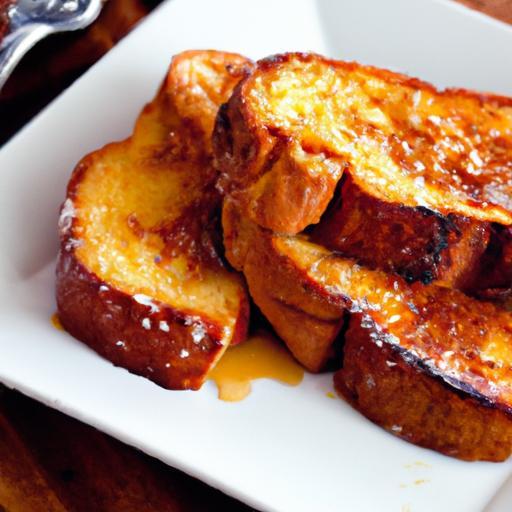
Golden, crisp on the outside yet tender and custardy within, French toast is more than just a breakfast staple-it’s a timeless culinary canvas that invites creativity and comfort in every bite. From humble leftover bread to a decadent brunch centerpiece, this beloved dish has journeyed through centuries and cultures, evolving into countless variations while maintaining it’s simple, irresistible charm. In “The Art of French Toast: A Delicious Culinary classic Explained,” we unravel the secrets behind its perfect texture,explore the history that gave it life,and share tips to elevate your next batch from ordinary to extraordinary. Whether you crave sweet, savory, or something delightfully unexpected, French toast offers a delicious gateway to culinary artistry-one slice at a time.
Choosing the Perfect Bread for Fluffy French Toast
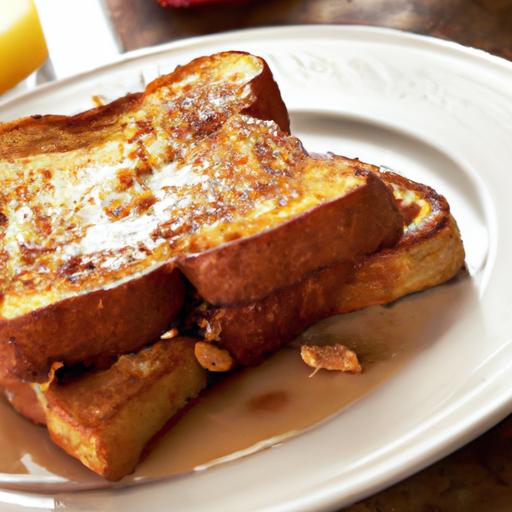
French toast owes much of its delightful texture to the bread you select. For an indulgently fluffy French toast, opt for thick, dense slices that can absorb the custard without falling apart. Brioche, challah, and Texas toast are fabulous choices-each brings a buttery richness and a tender crumb that soaks up the custard mixture beautifully.
Day-old bread works wonders as it’s slightly drier, allowing it to soak the creamy custard without becoming mushy. Avoid thin or crusty loaves as they can crisp unevenly or dry out during cooking.
Mastering the custard Mixture to Achieve Creamy Richness
Creating the perfect custard is at the heart of fluffy French toast. The balance of eggs, milk, and flavoring ensures that each bite is luscious, creamy, and subtly sweet. Use whole milk or half-and-half to add richness, and incorporate fresh vanilla extract and a touch of cinnamon for aromatic depth.
Whisking the eggs thoroughly with the milk creates a smooth custard that evenly coats the bread. For an extra velvety finish, consider folding in a spoonful of sour cream or Greek yogurt-this adds tang and a sumptuous texture that elevates the classic custard.
Cooking Techniques for Golden Crispy Perfection
Mastering the skillet is essential for that irresistible golden crispiness. Preheat a non-stick skillet or griddle over medium heat,then add a generous pat of butter or a neutral oil with a high smoke point.
Dip each bread slice into the custard mixture, allowing it to soak for about 10-15 seconds per side, ensuring full absorption without sogginess. Place the soaked bread onto the hot skillet and cook until each side turns a perfect golden brown, flipping carefully after 3-4 minutes. Avoid overcrowding the pan to maintain consistent heat and crispness.
Creative Toppings and flavor Pairings to Elevate Your Dish
While the classic dusting of powdered sugar and a drizzle of maple syrup never fails, elevating your fluffy French toast with creative toppings can transform an everyday breakfast into a gourmet experience. Fresh seasonal berries, caramelized bananas, or toasted nuts add bursts of flavor and texture.
For a refined flair, serve with a dollop of mascarpone or Greek yogurt and a spoonful of homemade fruit compote. Sprinkle with a pinch of flaky sea salt or a drizzle of honey to contrast the sweetness beautifully. Don’t forget fresh herbs like mint or basil for a refreshing finish and vibrant color contrast.
Prep and Cook Time
- Preparation: 10 minutes
- Cooking: 15 minutes
- Total: 25 minutes
Yield
Serves 4 generous portions
Difficulty Level
Easy – perfect for beginner cooks yet satisfying enough for culinary enthusiasts.
Ingredients
- 8 slices of brioche or challah bread, about 1-inch thick
- 4 large eggs
- 1 ½ cups whole milk or half-and-half
- 2 tsp pure vanilla extract
- 1 tsp ground cinnamon
- 2 tbsp granulated sugar (optional for slight sweetness)
- Pinch of salt
- Butter or neutral oil for cooking
Instructions
- In a wide, shallow dish, whisk together eggs, milk, vanilla extract, cinnamon, sugar, and salt until the mixture is smooth and frothy.
- Preheat a non-stick skillet or griddle over medium heat and lightly grease it with butter or oil.
- Dip each bread slice into the custard mixture, letting it soak for about 10-15 seconds per side to absorb the liquid without becoming soggy.
- Place the soaked bread slices onto the hot skillet,cooking until the bottom is golden and crisp,about 3-4 minutes.
- Flip and cook the other side until equally golden brown and crispy, another 3-4 minutes.
- Remove from skillet and place on a warm plate.Repeat with remaining slices, adding more butter or oil as needed.
- Serve immediately with your favorite toppings or keep warm in a low oven (200°F) while finishing the batch.
Tips for Success
- Use thick-sliced bread that is at least a day old-this helps with custard absorption.
- If you prefer extra richness, substitute half of the milk with heavy cream or add a tablespoon of sour cream to the custard.
- For dairy-free options, try full-fat coconut milk or almond milk, though the texture will be lighter.
- To avoid sogginess, do not oversoak the bread; fast but thorough dipping yields crisp edges and creamy interiors.
- Keep cooked French toast slices warm on a wire rack set over a baking sheet to maintain crispness.
Serving Suggestions
Arrange slices elegantly on a warm platter.Consider topping with fresh berries, sliced bananas caramelized in a touch of butter and brown sugar, toasted pecans, or a sprinkle of powdered sugar. Finish with a drizzle of pure maple syrup or a homemade berry compote for a lovely balance of sweetness and texture.
A side of Greek yogurt or mascarpone adds a silky complement,and fresh mint leaves provide a colorful,aromatic contrast. these finishing touches not only dazzle the eyes but accentuate the dish’s layers of flavor and texture, truly celebrating the art of French toast.

| Nutrition | Per Serving |
|---|---|
| Calories | 320 kcal |
| protein | 10 g |
| Carbohydrates | 35 g |
| Fat | 14 g |
Discover more breakfast classics in our detailed guide on perfect pancakes. For deeper insights into custard chemistry, check out this informative article by Serious Eats.
Q&A
Q&A: The Art of French Toast – A Delicious Culinary Classic Explained
Q1: what makes French toast more than just “bread and eggs”?
A1: French toast is a magical transformation. When slices of bread soak in a luscious mixture of beaten eggs, milk, and fragrant spices, then gently pan-fried to golden perfection, they transcend thier humble origins. The result is a harmonious balance of creamy, crispy, and sweet – a canvas ripe for creativity.Q2: is there a “best” type of bread to use for french toast?
A2: absolutely! While any bread can work,thick slices of slightly stale bread like brioche,challah,or pain de campagne soak up the custard-like batter beautifully without falling apart. Their sturdy, airy texture crisps up nicely on the edges while remaining tender inside.
Q3: Can you explain the role of dairy in French toast?
A3: Dairy-whether it’s milk, cream, or a plant-based substitute-adds richness and moisture to the egg mixture. This helps create that velvety custard interior. A splash of cream or half-and-half amps up indulgence, but even simple milk will do the trick with delicious results.Q4: how important are spices and flavorings in French toast?
A4: They’re essential! A sprinkle of cinnamon, a dash of nutmeg, or the warmth of vanilla extract turns a simple dish into a sensory delight. These flavors weave through the toast, infusing each bite with comforting aromas and subtle complexity.
Q5: Is French toast always a sweet dish?
A5: Not at all! While it’s famously paired with syrup, fresh fruit, or powdered sugar, french toast can also be dressed up savory-style. Think herbs, cheeses, sautéed mushrooms, or roasted vegetables for a satisfying twist that’s perfect any time of day.
Q6: What’s the secret to perfectly cooked French toast?
A6: Patience and moderate heat. Cooking at too high a temperature burns the outside before the custard sets inside. Low and slow lets the bread soak up the batter evenly and creates a luscious, tender centre with a golden crust.
Q7: Can French toast be made ahead of time?
A7: Yes! You can prepare and batter the bread the night before, keeping it covered in the fridge. For busy mornings, pre-cooked French toast can be reheated in the oven or toaster, retaining much of its charm without sacrificing flavor or texture.
Q8: Any tips for plating and serving to elevate the experience?
A8: Presentation is part of the art! Stack the slices high, dust with powdered sugar, and crown with seasonal berries or sliced bananas. Drizzle with pure maple syrup or a homemade fruit compote. A dollop of whipped cream or a sprinkle of toasted nuts adds texture and a touch of elegance.
Q9: How has French toast evolved across cultures?
A9: nearly every culture has its version of bread soaked in eggs and cooked-a testament to its global appeal. From Europe’s pain perdu to India’s sweet Milk Toast, each variation offers unique ingredients and traditions, weaving a rich tapestry of culinary heritage.
Q10: Why does French toast hold such a beloved place in breakfasts worldwide?
A10: French toast marries simplicity with indulgence. It feels like a warm hug on a plate, combining everyday pantry staples into something playful, comforting, and endlessly adaptable. Whether weekday fuel or weekend treat, it invites people to savor the art of breakfast.
Closing Remarks
As the final golden bite of French toast melts on your tongue, you realize that this humble dish is far more than just breakfast fare-it’s a testament to culinary creativity and timeless tradition. From its simple ingredients to the rich cultural tapestry it represents, French toast invites both novice cooks and seasoned chefs to explore the endless possibilities of flavor and technique.
Whether drizzled with maple syrup, dusted with cinnamon, or adorned with fresh berries, mastering the art of French toast is a delicious journey that awakens the senses and honors a classic beloved around the world. So next time you cradle that warm, custardy slice in your hands, remember: you’re not just enjoying a meal-you’re partaking in a savory story that has spanned centuries and continues to delight with every bite.