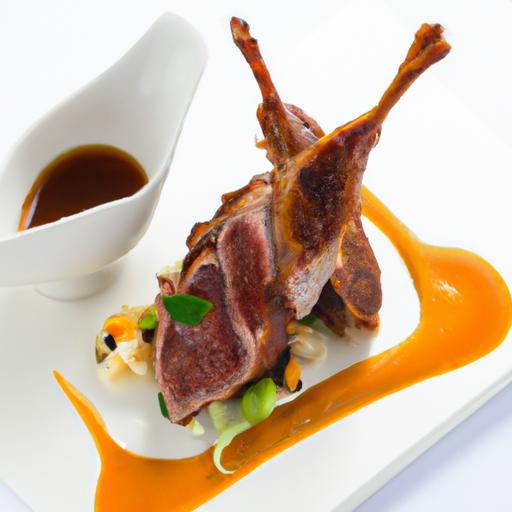



Crispy duck is more than just a dish-it’s a culinary masterpiece that dances with textures and teases the palate with layers of deep,savory flavor. Achieving that coveted crackling skin, paired with tender, juicy meat underneath, is both an art and a science, blending tradition with technique. In this article, we unravel the secrets behind the perfect crispy duck, exploring the methods, tips, and subtle nuances that transform a simple bird into a symphony of crunch and richness. Whether you’re a seasoned chef or an excited home cook, prepare to embark on a flavorful journey that will elevate your duck game to crispy perfection.
The Art of Crispy Duck: Secrets to Perfect Crunch and Flavor begins with choosing the ideal bird and unlocking techniques that bring out its fullest potential. Achieving that coveted crackling skin while infusing every bite with rich, layered tastes is an adventure of texture and flavor. Whether you’re revisiting a classic Asian-inspired recipe or elevating a weekend feast, this guide transforms your duck into an irresistible centerpiece that delights both the eyes and palate.
Prep and Cook Time
- Preparation: 30 minutes
- Marinating: 4 hours (or overnight for best flavor)
- Cooking: 1 hour 15 minutes
Yield
Serves 4 hungry guests
Difficulty Level
Medium - Ideal for home cooks ready to hone classic techniques
Ingredients
- 1 whole duck (about 5-6 pounds), preferably fresh and skin-on
- 2 tablespoons kosher salt
- 1 tablespoon Chinese five-spice powder
- 4 garlic cloves, minced
- 2 tablespoons ginger, finely grated
- 3 tablespoons soy sauce
- 2 tablespoons honey
- 2 tablespoons sesame oil
- 1 tablespoon rice vinegar
- 1 teaspoon freshly ground black pepper
- 1 bunch green onions, trimmed and chopped (for garnish)
- 1 orange, thinly sliced (optional, for garnish)
- Vegetable oil, for brushing
Selecting the Ideal Duck for Maximum Crispiness
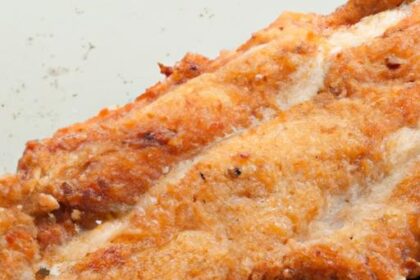
The foundation of any spectacularly crispy duck is starting with high-quality poultry. Opt for a fresh, whole duck that boasts firm, unblemished skin-this is crucial for rendering fat evenly. Heavier ducks yield more succulent meat and a thicker layer of fat underneath the skin, which helps amplify that signature crunch during roasting. If possible, choose a duck labeled “fresh” rather than frozen, as this preserves the natural oils within the skin for better texture and flavor development.
Mastering the Marinade to Enhance Flavor Depth
Building depth begins at the marinade stage, where the marriage of savory soy sauce and aromatic five-spice dances with the vibrant freshness of ginger and garlic. Thes elements not only tenderize the meat but infuse it with complex layers that balance richness. Honey and sesame oil create a subtle glaze, caramelizing beautifully on the skin during cooking, adding a glossy finish and an irresistible aroma.
Step by Step Guide to Achieving the Ultimate Crunch
- Prepare the duck: Rinse thoroughly and pat fully dry with paper towels inside and out. For extra crispiness, prick the skin carefully with a fork or skewer, avoiding piercing the meat, to facilitate fat rendering.
- Salt and season: Rub kosher salt all over the skin and inside the cavity. Let rest uncovered in the refrigerator for 2-3 hours to dry the skin further. This helps the skin crisp up beautifully.
- Marinate: In a bowl, whisk together soy sauce, honey, five-spice, garlic, ginger, sesame oil, rice vinegar, and black pepper. Coat the duck evenly, inside and out. Marinate covered, refrigerate for at least 4 hours or overnight.
- Preheat and prepare: Remove duck from marinade and let rest at room temperature for 30 minutes. Place a rack on a roasting tray to catch rendered fat.
- Roasting: Roast duck at 350°F (175°C) for 1 hour. Every 20 minutes, brush skin lightly with vegetable oil to intensify crispiness and encourage an even golden color.
- Final broil: Increase oven to 425°F (220°C) for the last 15 minutes, or until the skin cracks and crisps spectacularly. Keep a close eye to prevent burning.
- Resting: Remove from oven and let the duck rest for 15 minutes before carving. This keeps juices locked in, balancing moist meat with crunchy skin.
Serving Suggestions and Flavor Pairing Tips for Crispy Duck
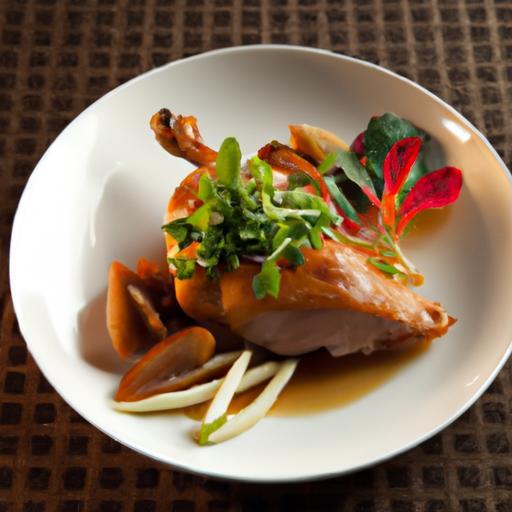
For an inviting presentation, slice the duck against the grain and drizzle any pan juices over the top. Garnish with freshly chopped green onions and thin slices of orange to introduce a refreshing citrus brightness that cuts through the richness gracefully.
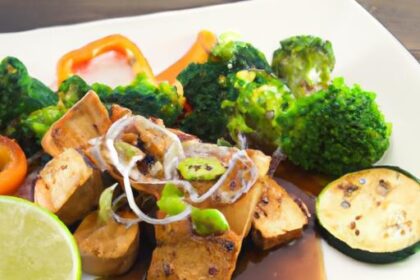
pair this crispy indulgence with warming sides such as jasmine rice or steamed bok choy dressed lightly with garlic. A tangy plum sauce or hoisin drizzle lends a sweet-savory kick that complements the five-spice undertones perfectly.
For a touch of elegance, consider pairing with crisp white teas or a mildly spiced jasmine tea, which refreshes the palate while offering subtle floral notes.
Tips for Success
- Patience is key: fully drying the skin before roasting is paramount for crunch.
- If time-constrained, dry salt and air-dry for at least 1 hour instead of overnight.
- Use a roasting rack to prevent the duck from sitting in its fat, which hinders crispiness.
- For even more flavor layering, infuse the cavity with star anise and orange zest.
- Leftovers make impressive fried rice or tacos, showcasing versatility.
| Nutrient | Per Serving |
|---|---|
| Calories | 480 kcal |
| Protein | 38 g |
| Carbohydrates | 8 g |
| Fat | 32 g |
Explore more at our extensive guide to Asian roasted duck recipes and elevate your poultry game further.
For an in-depth understanding of duck breeds and preparation,visit Serious Eats’ duck guide, a trusted culinary resource.

Q&A
Q&A: The Art of Crispy Duck: Secrets to Perfect Crunch and Flavor
Q1: What makes duck such a great choice for crispy skin?
A1: Duck is prized for its rich, flavorful meat and its beautifully fatty skin, which when rendered properly, transforms into a golden, crackling crisp. Unlike leaner poultry, duck’s fat content melts away during cooking, basting the meat and creating that irresistible crunch and moist interior.
Q2: How important is the preparation of the duck skin for achieving that perfect crisp?
A2: Preparation is key! Drying the skin thoroughly before cooking is essential-any moisture will steam the skin and prevent crisping. Many chefs recommend scoring the skin in a crisscross pattern to help fat render evenly. Salting the skin and letting it rest can draw out moisture and add seasoning right where it counts.
Q3: What cooking techniques yield the best crispy duck skin?
A3: Slow and low heat initially helps render the fat without burning the skin. Starting the duck skin-side down in a cold pan and gradually increasing the heat allows the fat to melt gently. Finishing with a fast blast in a hot oven or under a broiler can give the skin that extra crunch without drying out the meat.Q4: Are there any secret ingredients or seasonings that enhance the flavor without overpowering the duck?
A4: Simple is frequently enough best for crispy duck. Salt and cracked black pepper form an ideal base,allowing the duck’s natural flavors to shine. Aromatics like star anise, five-spice powder, or a touch of fresh ginger can introduce an alluring depth. Citrus zest or a splash of soy sauce adds brightness and umami without masking the meat’s character.
Q5: How can one balance a crispy duck dish with complementary sides?
A5: Pairing textures and flavors is an art. Crisp-skinned duck benefits from freshness and acidity-think tangy fruit sauces (such as orange or pomegranate), pickled vegetables, or vibrant salads. Earthy roasted root vegetables or creamy mashed potatoes provide contrast and ground the dish, while steamed greens offer a fresh, light counterpoint.
Q6: is it better to cook a whole duck or duck breasts for crispy skin?
A6: Both can be delicious, but they require different approaches. Whole duck roasting allows the fat to render off slowly and evenly, creating all-around crisp skin, but it takes patience. Duck breasts, especially skin-on, can be pan-seared for a quicker, more controlled crispy experience, with juicy meat underneath.
Q7: What common mistakes should be avoided when aiming for crispy duck?
A7: The biggest pitfalls? Skipping the drying step, cooking at too high heat too soon, and neglecting to render the fat properly, all of which can led to soggy or burnt skin. Also,cutting into the duck too early before it rests can cause juices to run out,losing moisture and flavor.
Q8: How long should duck rest after cooking for optimal texture and taste?
A8: Resting is crucial-allow the cooked duck to sit for at least 5 to 10 minutes before slicing. This lets the juices redistribute, keeping the meat tender and moist, while the skin stays delightfully crispy.
Q9: Can crispy duck be prepared ahead of time without losing quality?
A9: It can, but re-crisping the skin requires care. Cooking duck in advance and refrigerating overnight is fine, but before serving, gently reheat and refresh the skin in a hot oven or under a broiler. Avoid microwaves, as they tend to soften the skin rather than crisp it.
Q10: What cultural influences have shaped modern crispy duck recipes?
A10: Crispy duck dishes carry a rich heritage, from the famed Peking duck of China with its lacquered skin and pancake accompaniments, to French confit styles emphasizing slow-cooked meat and crispy skin. Contemporary chefs meld these influences, blending traditional techniques with fresh, global flavors to elevate this classic beyond borders.
Embrace these secrets, and your next duck dish will boast a skin that snaps and a flavor that sings-a true party of the art of crispy duck.
Closing Remarks
Mastering the art of crispy duck is a journey that marries technique with passion, transforming a humble bird into a symphony of crunch and flavor. By understanding the science behind each step-from selecting the right duck to mastering the drying process and perfecting the seasoning-you unlock a culinary treasure that delights both the palate and the senses. Whether you’re a seasoned chef or an adventurous home cook, these secrets invite you to elevate your cooking and savor every irresistible, crackling bite. So go ahead-embrace the sizzle, celebrate the crisp, and let your duck dish become a masterpiece of texture and taste.