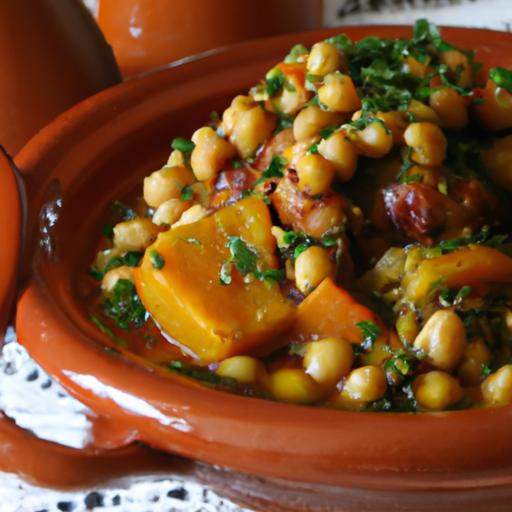



In the heart of Moroccan kitchens, where history simmers alongside spices, the humble tagine stands as both vessel and storyteller. This timeless clay pot, wiht its distinctive conical lid, has been quietly crafting culinary magic for centuries-transforming simple ingredients into rich, aromatic feasts that capture the essence of Morocco’s vibrant culture. “Tagine Tales: Exploring Morocco’s Timeless clay Pot Magic” invites you on a sensory journey through ancient recipes and modern twists, uncovering the secrets sealed within the tagine’s earthen walls. From bustling souks to tranquil desert homes, discover how this unassuming pot continues to shape the flavors and traditions of a nation, one slow-cooked tale at a time.
The Art and History Behind Morocco’s iconic Tagine Clay Pots
Tagine Tales begin long before the bubbling stew reaches your table – deeply rooted in the heritage of Moroccan cooking, the tagine clay pot embodies centuries of artisanal craft and culinary tradition. originating from the Berber tribes of north Africa, this distinctive conical lid vessel was designed not only to cook but to infuse food with slow-cooked, tender complexity through steam circulation within its curved dome. Owning and cooking with a tagine is taking part in a living story, where earthy ceramics blend with the vibrant spices of Morocco.
In Moroccan kitchens, the tagine pot is much more than cookware; it’s a symbol of communal dining and festivity.The slow simmering method carried out inside a tagine pot enhances flavors in unmatched ways – tender meats,aromatic vegetables,and the magic of preserved lemons and olives come alive,steeped in savory juices.
Prep and Cook Time
- Readiness: 20 minutes
- Cooking: 1 hour 15 minutes
- Total Time: 1 hour 35 minutes
Yield
Serves 4 generous portions
Difficulty level
Medium – perfect for adventurous home cooks eager to master authentic Moroccan flavors
Ingredients
- 2 tbsp olive oil, plus extra for drizzling
- 1 large onion, finely sliced
- 3 garlic cloves, minced
- 1½ lbs (700 g) boneless chicken thighs, trimmed and cut into chunks
- 1 tsp ground ginger
- 1 tsp ground cinnamon
- 1 tsp ground turmeric
- 1 tsp sweet paprika
- ½ tsp ground black pepper
- 1 tsp salt
- 1 cup chicken broth
- 1 preserved lemon, pulp removed, rind thinly sliced
- 1 cup green olives, pitted
- ½ cup fresh cilantro, chopped
- ½ cup fresh parsley, chopped
- 2 medium carrots, sliced into rounds
- 1 cinnamon stick
Instructions
- Heat olive oil in your tagine base or a heavy-bottomed pan over medium heat. Add sliced onion and sauté until soft and lightly golden, about 8 minutes, stirring frequently enough to avoid burning.
- Add minced garlic and cook for 1 more minute, releasing fragrant aroma.
- Mix spices (ginger, cinnamon, turmeric, paprika, black pepper, and salt) in a small bowl. Rub this spice blend thoroughly over the chicken pieces.
- Nestle the spiced chicken into the tagine base alongside the softened onions. Sear chicken for about 5 minutes until lightly browned on all sides.
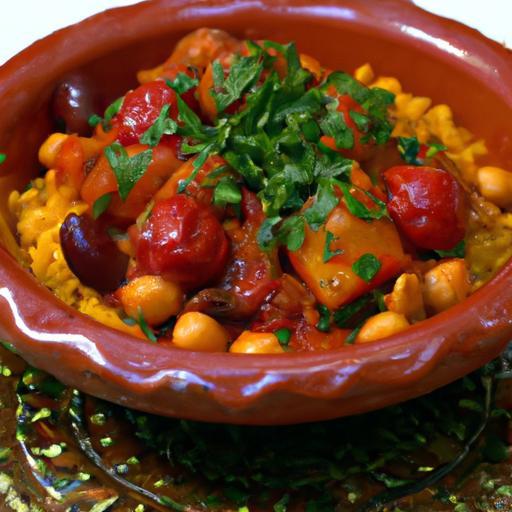
- Pour in chicken broth to just cover the chicken and onions.Add cinnamon stick,carrots,olives,and preserved lemon slices,distributing evenly around the pot.
- Place the conical lid securely on the tagine and reduce heat to low. Simmer gently for 45-60 minutes without lifting the lid frequently, allowing steam to circulate and tenderize the chicken perfectly.
- After cooking, sprinkle fresh cilantro and parsley on top, then drizzle a little olive oil for added silkiness and sheen.
- Serve the tagine hot directly from the pot with warm crusty bread or fluffy couscous to soak up the rich sauce.
Tips for Success
- Before first use, soak your tagine in water for at least an hour to prevent cracking during cooking.
- Cook on a heat diffuser or very low heat to avoid thermal shock to the clay.
- Preserved lemons add signature tang and brightness; if unavailable,thin strips of lemon zest plus a tablespoon of lemon juice can substitute,but the flavor will be less complex.
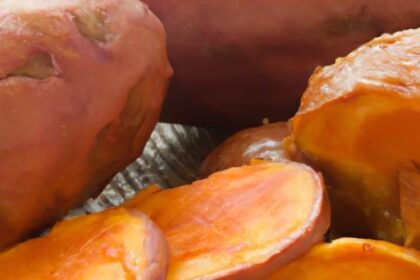
- For a vegetarian version, substitute chicken with hearty root vegetables like sweet potatoes and add chickpeas for protein.
- Tagine dishes improve if made a few hours ahead-the flavors deepen beautifully.
Serving Suggestions
Present your tagine with a scattering of toasted slivered almonds and extra fresh herbs for vibrant color and crunch. Accompany the dish with Moroccan flatbread or steamed couscous tossed with a drizzle of olive oil and a sprinkle of chopped mint. A side of harissa offers a fiery kick for guests who love a bit of heat.To complete the experience, pour customary mint tea served hot and sweetened, bringing you closer to the heart of Moroccan hospitality.

| Nutrient | Per Serving |
|---|---|
| Calories | 380 kcal |
| Protein | 32 g |
| Carbohydrates | 14 g |
| Fat | 20 g |
For further exploration on similar North African culinary traditions, see our comprehensive guide on Moroccan Couscous Recipes. To dive deeper into the cultural importance of tagines, Encyclopaedia Britannica provides detailed historical insights.
Q&A
Q&A: Tagine Tales – Exploring Morocco’s Timeless Clay pot Magic
Q1: What exactly is a tagine, and why is it so iconic in Moroccan cuisine?
A1: A tagine is a traditional Moroccan clay pot with a conical lid, designed to slow-cook savory dishes by trapping steam and circulating moisture. This ancient cooking vessel turns humble ingredients into deeply flavorful meals, making it a symbol of Moroccan hospitality and culinary artistry. The shape itself is poetic – the lid’s cone draws condensation back down into the pot, ensuring every bite is tender and infused with aromatic magic.
Q2: How does the shape of the tagine affect the cooking process?
A2: The tagine’s unique conical lid creates a self-basting environment. As the food simmers, steam rises, hits the cool lid, condenses, and drips back down to keep the dish moist. This gentle cycle allows tougher cuts of meat,vegetables,and spices to meld perfectly,resulting in deeply concentrated flavors and melt-in-the-mouth textures without ever drying out.
Q3: what are some classic ingredients cooked in a tagine?
A3: Tagines often feature a blend of tender meats like lamb, chicken, or fish alongside vibrant vegetables such as carrots, zucchini, and tomatoes.Fragrant spices like saffron, cumin, cinnamon, and ginger bring warmth, while dried fruits – think apricots, dates, or preserved lemons – add brightness and sweet tang. Chickpeas and olives also make frequent appearances, creating a tapestry of savory, sweet, and earthy notes.
Q4: Is it necessary to use an authentic clay tagine, or can modern cookware achieve the same results?
A4: Authentic clay tagines impart a subtle earthy flavor that’s hard to replicate with metal or non-stick pans, but the slow-cooking principle can be mimicked in Dutch ovens or heavy-bottomed pots. However, for genuine tagine magic, the porous clay gently absorbs and releases moisture, enriching the dish’s character, and its distinct shape is key to the unique cooking method. Using a clay tagine frequently enough elevates the experience from mere cooking to a ritual connecting you to centuries of Moroccan tradition.
Q5: how do you prepare a tagine for first use?
A5: Before its debut, a new clay tagine needs a bit of TLC to prevent cracking. Typically, you soak the base in water for a couple of hours to hydrate the clay, then season it by cooking a simple sauce of oil and water to seal the porous surface. This care nurtures your tagine, ensuring it lasts generations and enhances the authentic flavors of your dishes.
Q6: Can tagines be used for dishes beyond the classic North African stews?
A6: Absolutely! While deeply rooted in Moroccan culture, the tagine’s slow-cooking prowess suits a wide palette. Vegetarians can simmer hearty root vegetables or legumes with aromatic herbs, infusing them with a soulful depth. Even desserts like poached fruit with spices can be beautifully crafted in a tagine, turning humble ingredients into fragrant delights that sing with warmth and tradition.
Q7: What role does the tagine play in Moroccan social and cultural life?
A7: More than just cookware, the tagine is a centerpiece of communal dining and storytelling. Meals cooked in a tagine frequently enough bring family and friends together around a shared platter, encouraging conversation and connection. it embodies the spirit of generosity,patience,and the art of savoring both food and company – a true symbol of Moroccan hospitality passed down through generations.
Q8: How has the tagine influenced global culinary trends?
A8: The tagine’s allure has crossed borders, inspiring chefs worldwide to explore slow-cooked, spice-rich fare that celebrates simplicity and depth of flavor. Its method has sparked interest in rustic, one-pot meals that feature layered tastes and textures. As global diners seek authentic,comforting experiences,the timeless magic of the tagine continues to enchant kitchens far beyond Morocco’s sunny bazaars.
With its graceful design and centuries-old secrets, the humble tagine is more than cookware – it’s a storyteller that whispers the rich tales of Moroccan spices, traditions, and warmth, inviting every cook to become part of a living culinary legend.
to Wrap It Up
As the sun sets over the bustling markets and quiet kasbahs of Morocco, the timeless allure of the tagine endures-an emblem of tradition, flavor, and communal spirit. This humble clay pot, with its conical lid and earthen charm, is much more than a cooking vessel; it’s a storyteller, simmering centuries of culture, technique, and culinary artistry into every fragrant bite. Whether you’re savoring the tender lamb, the vibrant medley of spices, or the subtle sweetness of preserved lemons, each tagine experience invites you to step into Morocco’s rich heritage. So next time you encounter this magical pot, remember: you’re not just tasting a dish-you’re partaking in a tale, slow-cooked and lovingly shared across generations.