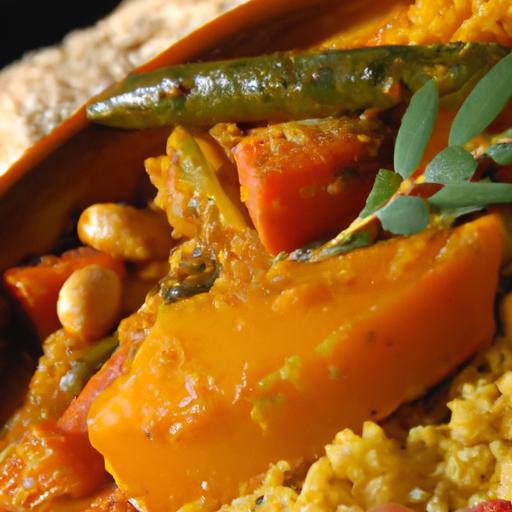

In the heart of Moroccan kitchens, where tradition meets artistry, the humble tagine pot holds stories simmering beneath its conical lid. More than just cookware, the tagine is a vessel of history, culture, and a culinary magic that transforms simple ingredients into fragrant, tender feasts. Join us as we embark on a flavorful journey through ”tagine Tales,” uncovering the secrets of Moroccan clay cooking and the timeless rituals that have made this ancient technique a beloved treasure across generations and continents.
Tagine Tales unfold as we delve deep into the craftsmanship and soul of Moroccan clay cooking-an exquisite method that transforms humble ingredients into a fragrant symphony of slow-simmered,tender magic. this dish is not just food; it’s a cultural embrace,steeped in history and passion. From bustling Marrakesh souks to quiet family courtyards, the tagine pot unites tradition and taste in an unforgettable culinary experience.
Prep and Cook Time
- Preparation: 20 minutes
- Cooking: 1 hour 45 minutes
- Total Time: 2 hours 5 minutes
Yield
Serves 6 generous portions
Difficulty Level
Medium – Perfect for home cooks seeking to elevate their slow-cooking technique
Ingredients
- 2 lbs (900g) bone-in chicken thighs, skin on for extra flavor
- 2 tbsp olive oil
- 1 large onion, thinly sliced
- 3 garlic cloves, minced
- 1 tsp ground ginger
- 1 tsp ground cinnamon
- 1 tsp turmeric powder
- 1 tsp smoked paprika
- 1/2 tsp ground cumin
- Salt & freshly ground black pepper, to taste
- 1 cup chicken broth (preferably homemade or low sodium)
- 1 preserved lemon, quartered and rinsed (optional but authentic)
- 1 cup green olives, pitted
- Fresh cilantro and flat-leaf parsley, chopped (about 1/4 cup each), for garnish
- 1 tbsp honey
- 1 cup dried apricots, halved
- Freshly cracked black pepper, for finishing
Instructions
- Prepare the tagine base: Heat the olive oil in a large tagine pot or heavy-bottomed Dutch oven over medium heat. Add the sliced onions and sauté gently until soft and translucent, about 8-10 minutes, stirring occasionally to prevent browning.
- Infuse with aromatics: Add the minced garlic,ground ginger,cinnamon,turmeric,smoked paprika,and cumin. Stir constantly for 1-2 minutes until the spices release their fragrant oils without burning.
- Brown the chicken: Nestle the chicken thighs skin side down into the spiced onions. Cook until golden brown, about 5 minutes per side.do not overcrowd the pot to ensure proper searing.
- Add liquids and flavor enhancers: Pour in the chicken broth,then nestle the preserved lemon pieces and green olives around the chicken. Sprinkle salt and pepper to taste.
- Sweeten and simmer: Scatter the dried apricots over the top, drizzle with honey, then cover the tagine with its conical lid. Reduce heat to low and let it simmer very gently for 1 hour 30 minutes, allowing flavors to marry and the chicken to tenderize to perfection.
- Finish and garnish: Uncover and check for seasoning, adjust salt if needed. Sprinkle freshly chopped cilantro and parsley over the tagine along with freshly cracked black pepper before serving.
- rest briefly: Let the dish sit covered off the heat for 5 minutes to deepen flavors before serving.
Chef’s Notes: Essential Tips for Mastering Your Tagine Cooking
- Choosing your tagine: Opt for a conventional unglazed clay tagine for the most authentic slow-braised stew,or choose glazed versions for easier maintenance. Always soak an unglazed tagine in water for at least an hour before first use to prevent cracking.
- Heat management is crucial: Always start with medium heat and reduce to low for long slow cooking to prevent food from burning on the bottom. Use a heat diffuser if cooking on a gas stove.
- Substitutions: Lamb shoulder or beef chuck roast can replace chicken, adjusting cooking time accordingly for tenderness.
- Make ahead: Like manny slow-cooked dishes, tagines taste even better the next day. Refrigerate leftovers and gently reheat on low with a splash of broth to keep moisture.
- Preserved lemons are key: If unavailable,fresh lemon zest and a small squeeze of juice add brightness though without the deep fermented complexity.
Serving Suggestions
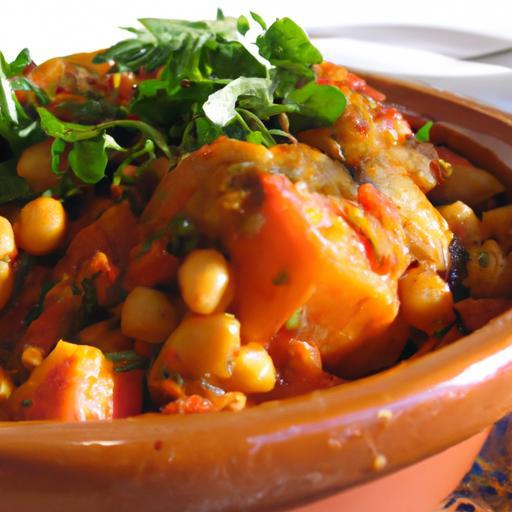
Present your tagine directly in the vibrant clay pot to amplify communal dining and rustic charm. serve alongside fluffy couscous or warm buttery flatbreads to soak up every drop of the luscious sauce. Garnish with additional fresh herbs, a sprinkle of toasted slivered almonds for crunch, and a wedge of lemon for extra zest on the side.Pair with a cooling cucumber yogurt salad to contrast the warm spices.

| Nutritional Info (per serving) | Calories | Protein (g) | Carbs (g) | Fat (g) |
|---|---|---|---|---|
| Tagine Chicken | 420 | 38 | 25 | 18 |
For more on Moroccan culinary traditions and slow-cooking techniques, check out our detailed Guide to Moroccan Couscous Recipes. Expand your spice knowledge with the USDA Spices Database.
Q&A
Q&A: Tagine Tales – Unveiling the Magic of Moroccan Clay Cooking
Q1: What exactly is a tagine, and why is it so iconic in Moroccan cuisine?
A: A tagine is both the name of a traditional North African clay cookware and the slow-cooked dishes prepared inside it. Its signature conical lid traps steam, creating a self-basting environment that tenderizes meat, infuses spices, and melds flavors in a way that’s simply enchanting. More than just cookware,a tagine embodies centuries of Moroccan culinary artistry and tradition,turning simple ingredients into a symphony of taste.
Q2: How does the unique design of a tagine impact the cooking process?
A: The towering cone-shaped lid is the tagine’s secret weapon. As heat rises, condensation collects on the lid’s interior and gently trickles back onto the food, keeping it moist and rich without needing added liquids. This slow-cooking method allows spices to slowly release their aroma and deepen the flavors, resulting in dishes that are both tender and intensely aromatic.
Q3: What ingredients are typically cooked in a tagine?
A: Moroccan tagines showcase a dazzling bouquet of ingredients-think tender lamb, succulent chicken, fresh fish, and a bounty of seasonal vegetables, rich dried fruits like apricots and prunes, fragrant preserved lemons, and an orchestra of spices including cumin, coriander, saffron, cinnamon, and ginger. The combination creates layers of sweet, savory, and earthy flavors that dance on the palate.
Q4: Can you cook a tagine on a modern stove, or does it require special equipment?
A: While the traditional tagine is designed for open flame cooking over coals or a gas burner, many modern kitchens adapt with heat diffusers to protect the clay from sudden temperature changes. some tagines are oven-safe, too. With a bit of care and attention to gentle heat, you can bring authentic tagine magic right to your stovetop or oven.
Q5: How does using a tagine differ from other slow-cooking methods?
A: Unlike a steep-sided Dutch oven or slow cooker, a tagine’s conical lid directs steam downward in a continuous cycle of condensation and evaporation. This unique steam recycling method keeps dishes moist without diluting their flavors, allowing ingredients to meld together gradually and imparting a distinct depth and complexity that’s truly characteristic of Moroccan cooking.
Q6: Is it necessary to season or prepare the tagine before first use?
A: absolutely! New clay tagines often need a process called “curing” to strengthen and protect them from cracking. This usually involves soaking the base and lid in water, coating the interior with olive oil, and slowly heating it to build a natural non-stick layer. This ritual not only preserves the tagine’s longevity but also breathes life into its cooking magic.
Q7: Beyond cooking, is the tagine important in Moroccan culture?
A: The tagine is much more than a cooking vessel-it’s a symbol of Moroccan hospitality and communal dining.Meals served in a tagine are often enjoyed family-style, with everyone gathered around the dish, sharing stories and breaking bread. It embodies warmth, togetherness, and the rich storytelling tradition woven into Moroccan heritage.
Q8: Can tagine cooking be adapted for vegetarian diets?
A: Definitely! The tagine’s slow, fragrant cooking is perfect for hearty vegetarian fare. Think tender chickpeas simmered with preserved lemon and green olives, layered with root vegetables, zucchini, and tomatoes, all nestled in aromatic spices. These meatless marvels carry the same soulful essence and comfort associated with traditional tagine dishes.
Q9: How does cooking in a tagine affect the nutritional value of the food?
A: Tagine cooking’s gentle, slow-steaming process preserves most of the food’s nutrients, especially vitamins and antioxidants found in vegetables and herbs. The minimal addition of fats, combined with careful moisture recycling, ensures that dishes remain wholesome, flavorful, and nourishing-bringing both health and heart to the table.
Q10: What tips do you have for someone eager to begin their tagine cooking adventure?
A: Start with simple recipes that celebrate bold spices and layering flavors-don’t rush the slow-cooking magic.Use fresh, quality ingredients, season the tagine properly, and maintain gentle heat to prevent cracking or burning. And most importantly, embrace the ritual: cooking with patience, sharing stories while the dish simmers, and savoring the sensory journey that the tagine invites. Your kitchen will soon smell like Moroccan markets, and each meal will tell its own delicious tale.
In Retrospect
As the fragrant steam rises from the tagine, it carries with it centuries of moroccan tradition, weaving together flavors, stories, and culture in a single, magical pot. The art of clay cooking is more than a culinary technique-it’s a bridge connecting past and present, hearth and heart. Whether you’re an adventurous foodie or simply curious about the world’s rich tapestry of tastes, embracing the tagine invites you into a timeless dance of spices and slow-simmered goodness. So next time you savor a bite from this earthenware treasure, remember: you’re not just tasting a dish, you’re experiencing a tale-a delicious, enduring chapter of Morocco’s vibrant heritage.