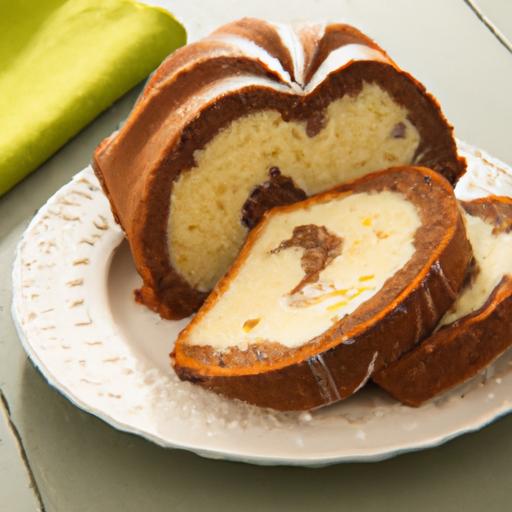
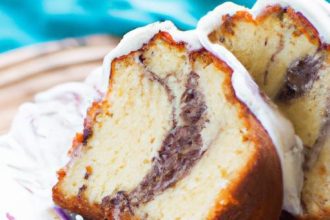

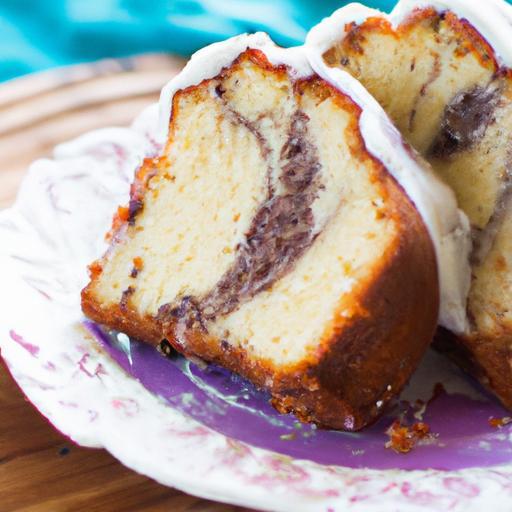
There’s something mesmerizing about the gentle dance of chocolate and vanilla batter entwined in a marble cake-a confection that’s as much a feast for the eyes as it is for the palate. Beyond its swirled surface lies a rich tapestry of history and artistry, where culinary innovation meets aesthetic charm. In “Swirls of Delight: The art and History of Marble Cake,” we will unravel the origins of this beloved dessert, explore how its distinctive patterns have evolved, and celebrate the skill and creativity that transform simple ingredients into edible masterpieces. Join us on a journey through time and taste, where every swirl tells a story.
Swirls of Delight have delighted palates and eyes for centuries, tracing their origins back to 17th-century germany where early versions of marble cake first mingled dark and light batters in a visual dance. This iconic treat embodies a marriage of flavors and textures, perfectly balancing moist vanilla and rich chocolate within each swirl. As a Culinary Content Creator and Food Stylist, I find the timeless elegance and diverse history of marble cake endlessly inspiring-each slice feels like tasting a appetizing piece of culinary art that has evolved beautifully across eras and cultures.
Prep and Cook time
- Planning: 20 minutes
- Cooking: 40 minutes
- Total Time: 1 hour
Yield
Serves 10-12 delightful slices
Difficulty Level
Medium – perfect for home bakers eager to master the swirl technique and elevate their flavor blend
Ingredients
- 2 ½ cups all-purpose flour, sifted
- 2 ½ tsp baking powder
- ¼ tsp fine sea salt
- 1 cup unsalted butter, softened to room temperature
- 1 ¾ cups granulated sugar
- 4 large eggs, at room temperature
- 1 tbsp pure vanilla extract
- 1 cup whole milk
- ⅓ cup unsweetened cocoa powder (preferably Dutch-processed for a smoother, less acidic taste)
- 2 tbsp boiling water
Instructions
- Preheat your oven to 175°C (350°F).Grease and flour a 9-inch bundt or loaf pan for an even bake and easy release.
- In a medium bowl, whisk together the sifted flour, baking powder, and sea salt until fully combined and aerated. Set aside.
- In a large mixing bowl, cream the softened butter and sugar using an electric mixer on medium speed until pale and fluffy, about 4-5 minutes. This step is crucial to achieving a tender crumb.
- Add eggs one at a time, mixing on low speed after each addition to ensure full incorporation before moving on.
- Stir in the vanilla extract gently to maintain airiness in the batter.
- Alternate adding the dry ingredients and milk to the wet mixture, starting and ending with the dry ingredients. Incorporate each addition at low speed to keep the batter light and smooth.
- Prepare the chocolate batter: in a small bowl, whisk cocoa powder into boiling water until smooth and fluid.Fold this mixture into approximately one-third of the vanilla batter,blending evenly but gently.
- Transfer the vanilla and chocolate batters into the prepared pan in alternating dollops – pour a few spoonfuls of vanilla, then the chocolate, repeating to layer the colors.
- Using a skewer or knife, swirl gently through the batter, making figure-eight motions to create beautiful marbled patterns. Avoid overmixing; you want distinct ribbons of both flavors that entice the eye and palate.
- Bake for 40-45 minutes, or until a toothpick inserted near the center comes out clean and the edges pull slightly away from the pan.
- Allow the cake to cool for 15 minutes in the pan. Then invert onto a wire rack to cool completely-this ensures the crumb sets perfectly.
Tips for Success
- For an even more luxurious texture, substitute half the all-purpose flour with cake flour, retaining the same measurements.
- If you prefer a moister cake, replace whole milk with full-fat buttermilk-you’ll notice a subtle tang that complements the cocoa notes beautifully.
- When folding the cocoa mixture into the vanilla batter, use a rubber spatula to maintain air and avoid deflating the cake.
- Store your marble cake wrapped tightly in plastic wrap at room temperature for up to 3 days, or freeze individual slices for a swift indulgence later.
- For a gluten-free version, use a high-quality gluten-free all-purpose flour blend and bake a little longer in a slightly lower oven to ensure thorough cooking.
- Explore more detailed history and science behind marble cake by King Arthur Baking.
Serving Suggestions
Serve your swirls of delight cake warm or at room temperature topped with a light dusting of powdered sugar or a glossy chocolate ganache to intensify the cocoa ribbons. Fresh berries like raspberries or strawberries add a natural sweet-tart contrast that beautifully complements both flavors. For a brunch or celebratory dessert, pairing with a dollop of whipped cream or a scoop of vanilla bean ice cream creates a luscious harmony of taste and texture.
Elevate the presentation by slicing the cake thickly to showcase the mesmerizing marbled pattern, adding fresh mint leaves or edible flowers for a dash of color and elegance. A side of freshly brewed coffee or vanilla chai tea will enhance the comforting, nostalgic feel of this classic treat.

| Nutrient | Per Serving |
|---|---|
| Calories | 320 kcal |
| Protein | 5 g |
| Carbohydrates | 40 g |
| Fat | 15 g |
For those loving indulgence balanced with craft, explore our chocolate vanilla layer cake recipe for another take on combining complementary flavors and textures with an artistic flair.
Q&A
Q&A: Swirls of Delight – The Art and History of Marble Cake
Q1: What exactly is a marble cake, and why is it called “marble”?
A1: Marble cake is a delightful fusion of light and dark batter swirled together to create a beautiful, marbled pattern reminiscent of natural stone. The name “marble” reflects the intricate, streaked appearance inside the cake, where vanilla and chocolate (or sometimes other flavors) intertwine in artistic harmony.
Q2: How did marble cake originate?
A2: The origins of marble cake trace back to 19th-century Europe, where bakers began experimenting by combining vanilla and chocolate batters in one pan. It became popular as an elegant way to offer two beloved flavors in a single cake, showcasing both taste and visual appeal.
Q3: What makes the pattern inside marble cake so unique?
A3: The pattern is created by partially mixing contrasting batters so that streaks of chocolate and vanilla remain distinct, yet flow seamlessly together. This swirling technique transforms a simple cake into an edible canvas, turning every slice into a surprise of artistic expression.Q4: Are there variations of marble cake beyond chocolate and vanilla?
A4: Absolutely! While classic marble cake pairs chocolate with vanilla, bakers around the world have infused their creations with different flavors such as matcha, coffee, or citrus zest. These imaginative twists breathe new life into the traditional marbling concept, making each cake a unique masterpiece.
Q5: What skills are essential for achieving the perfect marble effect?
A5: the secret lies in balance-mixing enough to create gorgeous swirls, but not so much that the batters blend into a uniform color. Using contrasting colors and careful folding techniques ensures striking patterns. A light hand and artistic eye are as notable as a well-made batter.
Q6: Can marble cake be made without artificial coloring?
A6: Yes! Many bakers use natural ingredients like cocoa powder or melted dark chocolate for the dark portions, and vanilla or almond extract for the lighter ones. Some experiment with natural colorants like beet juice or matcha powder to add vibrant hues without artificial dyes.
Q7: How has marble cake influenced modern baking trends?
A7: Marble cake’s enduring appeal lies in its blend of flavor and visual artistry, inspiring contemporary bakers to push boundaries with layering, coloring, and even incorporating marble icing techniques. It’s a classic form that invites innovation while honoring tradition.Q8: Is marble cake suitable for all occasions?
A8: Definitely! From casual tea times to festive celebrations, marble cake’s elegant swirls and delicious combination of flavors make it a versatile treat. Its visually striking slices also make it a crowd-pleaser at parties and gatherings.
Q9: What’s a simple tip for home bakers trying their first marble cake?
A9: Start with a reliable basic recipe, then alternate spoonfuls of the two batters in the pan. Use a skewer or knife to gently swirl through the batter-avoid over-mixing! Bake as directed, and prepare to be enchanted by your own edible artwork.
To Wrap It Up
As we close the chapter on the mesmerizing world of marble cake, it’s clear that this swirled confection is far more than just a visual treat. It is a delicious fusion of heritage and creativity,a canvas where flavors and cultures have danced through time to delight countless palates. Whether enjoyed as a nostalgic comfort or a centerpiece of modern baking artistry, the marble cake continues to swirl its way into hearts and kitchens worldwide-reminding us that sometimes, the most beautiful things come from blending contrasts into harmonious delight.