


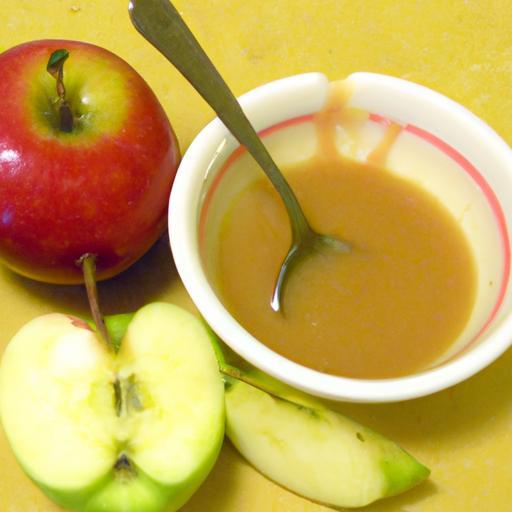
Ther’s something irresistibly comforting about the warm,fragrant scent of simmering apples filling your kitchen-an invitation to slow down and savor life’s simple pleasures. Homemade applesauce captures that cozy essence perfectly,transforming humble fruit into a velvety,naturally sweet treat that’s as versatile as it is nourishing. Whether dolloped onto pancakes, stirred into oatmeal, or enjoyed by the spoonful, crafting your own applesauce at home is easier than you might think. In this article, we’ll explore the sweet simplicity of making homemade applesauce, guiding you step-by-step to create a wholesome delight that’s free from preservatives and bursting with fresh, authentic flavor.
Choosing the Perfect Apples for a Naturally Sweet and Smooth Sauce
Sweet Simplicity: How to Make Homemade Applesauce Easily begins with one essential choice-the apple.Selecting the right varieties shapes the texture,sweetness,and overall flavor profile of your sauce.
For a naturally sweet and smooth applesauce, opt for a blend of apples that balance sweetness and acidity. Fuji and Gala apples bring juicy sweetness, while Honeycrisp adds a subtle tartness that brightens the sauce. If you crave a creamier texture, include softer apples like McIntosh or Cortland, which break down effortlessly during cooking.
Mixing apples gives complexity and depth-about two-thirds sweet varieties and one-third tart creates harmony without needing extra sugar. This balances your sauce naturally and keeps it vibrant. Crisp apples lend body, and the softer ones melt to silkiness, giving you that perfect spoonful of comfort.
Prep and Cook Time
- Preparation: 15 minutes
- Cooking: 25 minutes
- Total Time: 40 minutes
Yield
About 4 cups of applesauce - enough for 6 servings.
Difficulty Level
Easy – perfect for beginners and seasoned cooks alike.
Ingredients
- 3 pounds mixed apples, peeled, cored, and chopped (preferably Fuji, Honeycrisp, Gala)
- 1/2 cup filtered water or apple cider
- 2 tablespoons fresh lemon juice
- 1 teaspoon ground cinnamon
- 1/2 teaspoon ground nutmeg (optional)
- 2 tablespoons pure maple syrup or honey (optional, adjust by taste)
- 1 teaspoon vanilla extract (optional)
Step by Step Guide to Preparing and Cooking Your Homemade Applesauce
- Prepare the apples: Peel, core, and chop your apples into even pieces to ensure uniform cooking.
- Combine ingredients: place the chopped apples in a large saucepan with the water (or cider) and fresh lemon juice. Lemon juice helps maintain color and adds a bright tang.
- Cook gently: Bring the mixture to a simmer over medium heat, then reduce to low. Cover and let cook for about 20-25 minutes, stirring occasionally to prevent scorching. The apples are done when they are soft and easily pierced with a fork.
- Enhance flavor: Stir in cinnamon, nutmeg, and maple syrup or honey. Add vanilla extract last for a warm, fragrant depth. Taste and adjust sweetness or spices as desired.
- Choose your texture: For chunky applesauce,mash gently with a potato masher. For smooth sauce, blend with an immersion blender until creamy.
- cool and store: Let the sauce cool to room temperature before transferring to airtight containers.
Enhancing Flavor naturally with Spices and Sweeteners
Flavor is at the heart of Sweet simplicity: How to Make Homemade Applesauce Easily. Natural sweeteners such as maple syrup or honey complement the apples’ inherent sugars without overpowering them. They’re also easy to adjust to your personal preference or dietary needs.
Cinnamon is the classic spice to warm and brighten applesauce. Introducing a pinch of nutmeg adds comforting depth, while a splash of vanilla extract enriches the aroma and rounds out the flavors seamlessly. Feel free to experiment with cardamom or ginger for unexpected but delightful twists.
Storage Tips to Keep Your Applesauce Fresh and Appetizing Longer
To preserve the fresh aroma and silky texture of your homemade sauce,store it in sterilized airtight containers. Glass jars are ideal as they do not absorb flavors.
- Keep refrigerated for up to 10 days.
- For longer storage, freeze in portions using freezer-safe containers or silicone molds for easy thawing.Applesauce freezes beautifully and retains its charm for up to 3 months.
- When reheating, warm gently on the stove or microwave to preserve flavor integrity-avoid overheating.
Remember to label your containers with the date so you enjoy your sauce at its freshest peak.
Chef’s Notes
- Apple varieties: Experiment with blends; for a tart variation, add Granny Smith apples, but balance with sweeter types.
- Texture control: Using a food mill rather of a blender can yield a conventional, rustic sauce with marvelous texture.
- make ahead: Applesauce can be prepared up to a week in advance; flavors often deepen over time.
- Low sugar option: Skip added sweeteners entirely if your apples are naturally sweet enough.
- Spice swaps: try adding fresh rosemary or thyme for an herbal twist perfect for savory pairings.
serving Suggestions
This homemade applesauce shines as a comforting snack on its own or as a versatile side. Try it topped with a sprinkle of toasted nuts or a dollop of Greek yogurt for a breakfast treat. It’s an elegant accompaniment to roasted vegetables or oatmeal and a delightful filling for crepes and pancakes.
Consider serving chilled in decorative bowls with a cinnamon stick garnish for a lovely presentation that invites everyone to indulge in your Sweet Simplicity creation.

| Nutrient | Per 1/2 cup serving |
|---|---|
| Calories | 90 |
| Protein | 0.3 g |
| Carbohydrates | 23 g |
| Fat | 0.1 g |
For more inspiration on fruit-based recipes, check out our Cozy fruit Crumble Recipes guide. To learn more about apple varieties and their characteristics, visit the U.S. Apple Association.
Q&A
Q&A: Sweet Simplicity – How to Make homemade Applesauce Easily
Q1: Why should I make homemade applesauce rather of buying it from the store?
A1: Homemade applesauce is a celebration of freshness! By making it yourself, you control the sweetness, spice level, and texture. Plus, it’s free from preservatives and artificial flavors, allowing the natural apple goodness to shine through.It’s like bottling the essence of a crisp autumn day in a jar.
Q2: What kind of apples work best for applesauce?
A2: The best apples for applesauce strike a perfect balance between tartness and sweetness. Classic choices include Fuji,Gala,Golden Delicious,and McIntosh. Mixing a couple of varieties can create layers of flavor – think of it as a fruit symphony in every spoonful.
Q3: How do I prepare the apples before cooking?
A3: Start by washing them thoroughly. Peel the apples if you prefer a smooth,silky texture-though leaving the skins on can add rustic charm and extra nutrients. Core and slice the apples into even chunks to ensure uniform cooking. It’s a simple prep ritual that sets the stage for magic in the pot.
Q4: What’s a foolproof method to cook apples for sauce?
A4: Place the apple chunks in a heavy-bottomed pot with a splash of water to prevent sticking. Cook on medium-low heat, stirring occasionally, until the apples soften – about 20-30 minutes. For that extra cozy touch, add a cinnamon stick or a sprinkle of nutmeg as the sauce simmers.Q5: How can I sweeten applesauce naturally without overpowering the apples’ flavor?
A5: Let the apples’ natural sugars lead the way; frequently enough, no added sweetener is necessary. if you prefer a sweeter sauce, a drizzle of honey or pure maple syrup can enhance the flavor subtly. Remember, sweetness is subjective-start small, taste as you go.
Q6: What tools can definitely help me get the perfect applesauce texture?
A6: For a chunky applesauce, a sturdy wooden spoon or potato masher works wonderfully. for smoother results, blend the cooked apples with an immersion blender or pulse them briefly in a food processor. Each technique offers a different experiance – silky, rustic, or somewhere delightfully in between.
Q7: How do I store homemade applesauce to enjoy it over time?
A7: Cool your applesauce completely before transferring it to airtight containers. Stored in the refrigerator, it lasts about a week. For longer preservation, pour it into freezer-safe jars or bags, leaving room to expand, and freeze for up to six months. A wintertime treat awaits!
Q8: Can I customize this basic applesauce recipe?
A8: Absolutely! Think beyond the basics – a splash of fresh lemon juice brightens the flavor, while a pinch of ginger or cloves adds warmth and depth. Fresh herbs like rosemary or a touch of vanilla extract introduce unexpected layers. Homemade applesauce is your canvas-paint it with your favorite tastes.
Q9: What are creative ways to enjoy homemade applesauce?
A9: Beyond the spoon, applesauce can be a star player in breakfast bowls, dolloped on yogurt or oatmeal. It transforms pancakes and muffins into moist delights. Use it as a natural sweetener and binder in baking or as a refreshing side to balance savory veggie dishes. The possibilities are as sweet and simple as the sauce itself.
Q10: Any tips to make the process even easier?
A10: Prep apples in advance and store them in water with lemon juice to keep them from browning. Use a slow cooker for a hands-off approach-just toss everything in and let the gentle heat work its charm. Remember, homemade applesauce isn’t about perfection; it’s about enjoying the sweet simplicity of a recipe that feels like a hug from the inside out.
To Conclude
Embracing the gentle art of homemade applesauce brings more than just a delicious treat to your table-it reconnects you with the simple joys of the season’s harvest. With just a handful of ingredients and a bit of patience, you transform humble apples into a silky, fragrant delight that sings of comfort and nostalgia. Whether spooned over breakfast oats, stirred into yogurt, or enjoyed on its own, your homemade applesauce stands as a testament to how sweetness truly lies in simplicity. So next time you find yourself surrounded by a basket of crisp apples, remember: the easiest, most rewarding recipe is often the one made from scratch, with a touch of love and a pinch of patience.