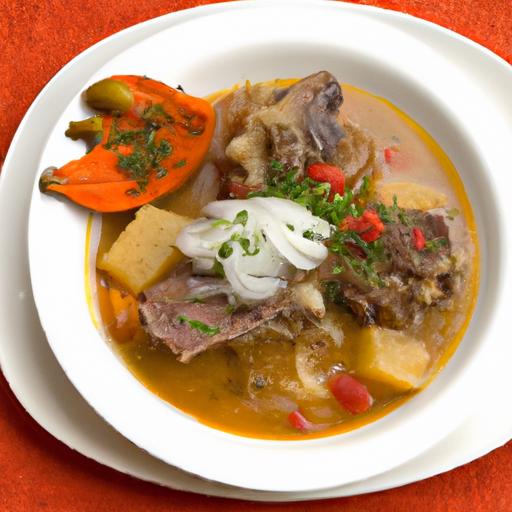

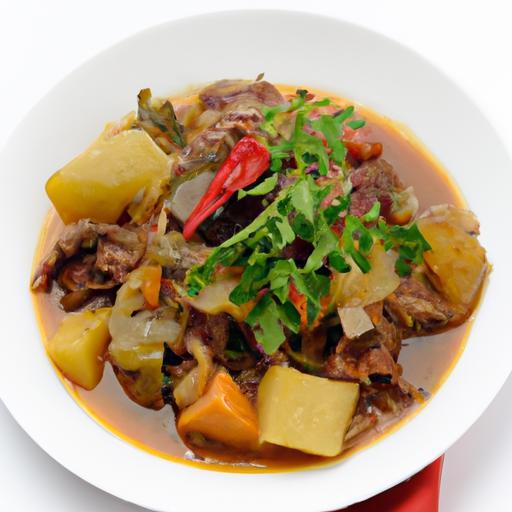
Nestled within teh vibrant tapestry of Peruvian cuisine lies a dish that embodies warmth, heritage, and the bold flavors of the Andes-Seco de chivo. This savory goat stew, rich with fragrant herbs, zesty chilies, and slow-simmered tenderness, invites food lovers to journey beyond the familiar. More than just a meal, Seco de Chivo is a festivity of Peru’s cultural roots, blending indigenous traditions with Spanish influences to create a hearty comfort food that has been passed down through generations. Join us as we uncover the story behind this beloved stew,exploring its ingredients,regional variations,and the deep connection it holds to Peru’s culinary identity.
Seco de Chivo is a treasured emblem of Peru’s rich culinary heritage, boasting deep roots in Andean and Amazonian traditions. This savory goat stew tells a story of indigenous ingredients blended with influences from Spanish colonial times, culminating in a dish that’s both rustic and deeply comforting. My first encounter with Seco de chivo was during a vibrant family celebration in Cusco, where the hearty aroma of slow-cooked goat mingled with cilantro and smoky ají peppers filled the air-inviting everyone to gather ’round and savor a taste of Peruvian culture. Today, I invite you to bring this authentic warmth into yoru own kitchen, bringing the bold flavors and tender textures that define Peru’s culinary soul.
Prep and Cook Time
- Preparation: 20 minutes
- Cooking: 1 hour 40 minutes
- total Time: 2 hours
Yield
Serves 6 hearty portions
difficulty Level
Medium – Ideal for adventurous home cooks ready to explore authentic Peruvian recipes
Key Ingredients That Bring Out the Rich Flavor of Seco de Chivo
- 2 lbs goat meat, cut into bite-size chunks (leg and shoulder recommended)
- 3 tablespoons vegetable oil (sunflower or canola oil preferred)
- 1 large red onion, finely sliced
- 4 cloves garlic, minced
- 1 cup fresh cilantro leaves, blended into a vibrant paste
- 2 medium tomatoes, pureed
- 2 ají amarillo peppers, deseeded and finely chopped (or paste if unavailable)
- 1 cup beef or vegetable broth, preferably homemade for depth
- 1 tablespoon ground cumin
- 1 teaspoon smoked paprika
- 2 bay leaves
- Salt and black pepper to taste
- Juice of 1 lime (to finish)
Step-by-Step Guide to preparing Authentic Peruvian Goat stew at Home
- Marinate the goat meat: In a bowl, combine the goat chunks with salt, pepper, ground cumin, and smoked paprika. Set aside while preparing other ingredients to allow the spices to meld.
- Prepare the cilantro paste: In a blender, combine fresh cilantro, ají amarillo, garlic, and a splash of water. Blend until you achieve a smooth, vibrant green paste-this vibrant mix is the signature flavor foundation of the stew.
- Sauté aromatics: Heat vegetable oil in a heavy-bottomed pot over medium heat. Add the sliced red onions and cook until translucent and fragrant, about 5 minutes, stirring often to prevent burning.
- Add garlic and the cilantro paste: Stir in the garlic and cilantro mixture,cooking for 3 more minutes until the oil picks up a bright green hue and the aroma is irresistible.
- Brown the goat meat: Add the marinated goat chunks to the pot in batches, ensuring pieces are well-browned on all sides. This caramelization creates a deeper flavor.
- Add tomatoes and broth: pour in the pureed tomatoes and broth, stirring well to combine. Toss in bay leaves,reduce heat to low,cover,and let simmer gently for about 1 hour and 15 minutes,or until the meat is tender and falling off the bone.
- Adjust seasoning and finish: Remove the bay leaves, then taste and correct salt and pepper as needed. Just before serving, squeeze fresh lime juice over the stew for a bright contrast to the rich meat.
Chef’s Notes and Tips for Success
- Substitution advice: If fresh ají amarillo isn’t available, use a mild yellow chili paste or a mix of paprika with fresh jalapeño for similar heat and color.
- Goat meat tip: If you prefer a milder flavor or can’t source goat, lamb shoulder is an acceptable substitute with a slightly different texture.
- Make-ahead: Like many stews, Seco de Chivo tastes even better the next day. Prepare a day ahead and reheat gently over low heat.
- Slow cooking alternative: Use a slow cooker on low for 6-8 hours to achieve melt-in-your-mouth tenderness.
- Prevent dryness: Keep the stew covered while simmering, checking occasionally to maintain enough broth and prevent burning.
Pairing Seco de Chivo with Conventional Sides and Regional Beverages
Traditionally, Seco de Chivo is perfectly paired with white rice to soak up the rich, vibrant sauce, and a side of tostones (crispy fried green plantains) or yuca, boiled until tender. A fresh salsa criolla-a zesty relish of thinly sliced onions, lime juice, and ají chili-adds a refreshing crunch that balances the stew’s richness.
To complement the rustic flavors, serve with chicha morada, a purple corn-based beverage infused with cloves and cinnamon, offering a subtly sweet counterpoint. For adults, a classic Pisco sour delivers a bright citrus note that elevates the meal wonderfully.

| Nutrient | Per Serving |
|---|---|
| Calories | 380 kcal |
| Protein | 38 g |
| Carbohydrates | 12 g |
| Fat | 18 g |
For more inspiration on Peruvian classics,explore our detailed Causa Limeña recipe to prepare alongside your Seco de Chivo feast.
Q&A
Q&A: Seco de chivo – Discover Peru’s Savory Goat Stew Tradition
Q1: What is Seco de Chivo?
A: Seco de Chivo is a beloved traditional Peruvian stew that centers around tender goat meat slow-cooked to perfection. This rich and aromatic dish is known for its deep,savory flavors infused with native herbs and spices,creating a comforting and soulful meal that reflects Peru’s diverse culinary heritage.
Q2: Where does the name “Seco de Chivo” come from?
A: The term “seco” means “dry” in Spanish, but despite its name, the stew is anything but dry. The name refers to the thick consistency of the sauce, which clings lovingly to the goat meat. “Chivo” translates to “goat,” highlighting the key protein that makes this dish distinct from other stews.
Q3: What makes goat meat special in Peruvian cuisine?
A: Goat meat has a slightly gamey flavor and tends to be leaner than beef or lamb, which gives Seco de Chivo a unique taste profile. The slow-cooking method breaks down the meat fibers, making it tender and succulent while allowing the marinade and spices to penetrate deeply, enhancing its natural richness.
Q4: What are the essential ingredients in Seco de Chivo?
A: The stew typically includes succulent goat meat, cumin, garlic, onions, cilantro, and ají peppers that provide a characteristic spicy kick.It’s frequently enough simmered with dark beer or chicha de jora (a traditional Andean corn beer), which adds depth and complexity without overpowering the meat’s flavor.
Q5: How is Seco de Chivo traditionally prepared?
A: Traditionally, the goat meat is marinated with spices and herbs before searing to lock in flavors. Then, it’s slowly cooked in a sauce made from aromatic base ingredients like onions, garlic, cilantro, and ají peppers alongside the beer or chicha.This slow simmer ensures the goat becomes tender and the sauce thickens beautifully.
Q6: What are common side dishes served with Seco de Chivo?
A: Seco de Chivo is often accompanied by fluffy white rice and can be paired with beans or Peruvian corn called choclo.Sometimes, it’s served with boiled potatoes or yucca, providing a hearty and balanced meal that complements the stew’s richness.
Q7: Is Seco de Chivo associated with any particular region or festival?
A: While enjoyed throughout Peru, seco de Chivo has strong roots in the northern coastal regions and the highlands, where goat farming is prevalent. It often appears at family gatherings, festivals, and special occasions, embodying communal warmth and cultural pride.
Q8: Can Seco de Chivo be adapted for modern home cooking?
A: Absolutely! While traditional preparations can take several hours,home cooks can use pressure cookers or slow cookers to achieve tender goat meat faster. The key is to maintain the balance of spices and to allow the flavors to meld, preserving the dish’s authentic character.
Q9: What cultural values does Seco de chivo represent?
A: beyond being a delicious dish, Seco de Chivo stands as a symbol of Peruvian hospitality and respect for local ingredients. It honors the connection between indigenous traditions and contemporary Peruvian identity,highlighting a culinary legacy passed down through generations.
Q10: Why should food lovers explore Seco de chivo?
A: For anyone eager to journey into Peruvian cuisine’s rich tapestry, Seco de Chivo offers a gateway to bold flavors and heritage. It’s a celebration of goat meat’s versatility and the vibrant seasoning traditions that make Peru’s food scene so captivating and unique.
Future Outlook
As the rich aroma of Seco de Chivo lingers in your mind, it’s clear that this Peruvian goat stew is more than just a dish-it’s a flavorful journey through the country’s history, culture, and culinary craftsmanship. From its tender, marinated meat to the vibrant medley of spices and herbs, Seco de chivo invites you to savor a tradition that has been lovingly passed down through generations. Whether enjoyed in a bustling Peruvian kitchen or recreated in your own home, this stew offers a delicious taste of Peru’s heart and heritage-one hearty spoonful at a time. So next time you seek a meal that tells a story, let Seco de Chivo warm your table and your soul.