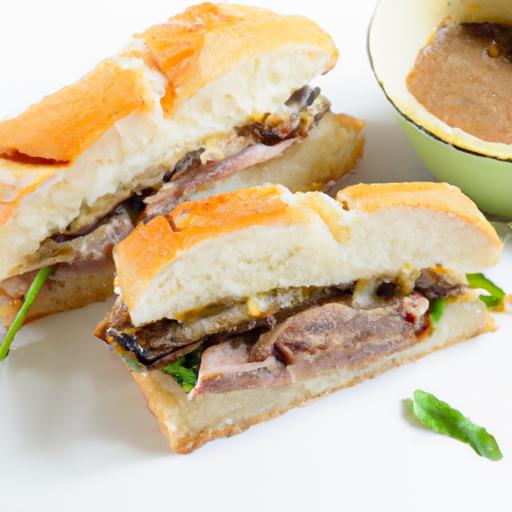


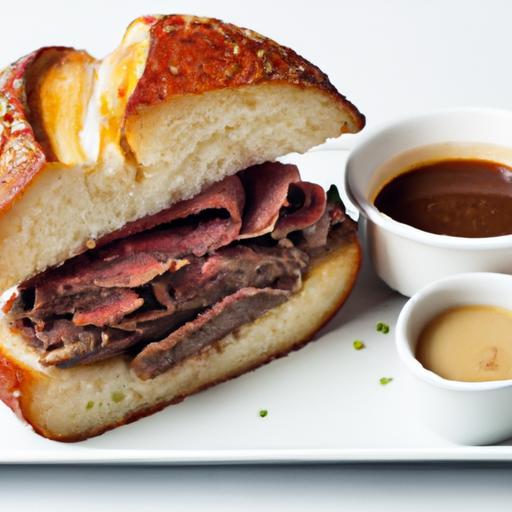
Beneath the golden, toasted crust of the classic French dip sandwich lies a culinary story as rich and layered as its tender, thinly sliced roast beef. Revered by food lovers and comfort seekers alike, this deceptively simple creation is more than just a meal-it’s a savory experience steeped in history, technique, and a touch of flavorful mystery. In this article, we peel back the layers of the French Dip, unveiling the secrets behind its perfect jus, the artistry of its assembly, and the subtle nuances that transform humble ingredients into an iconic American favorite with roots that whisper of French influence. Prepare to savor every detail as we dive into the mouthwatering world of the classic French Dip sandwich.
The art of selecting the perfect roast beef forms the cornerstone of crafting a truly unforgettable classic French Dip sandwich. Choosing a cut that boasts rich marbling and vibrant color is essential to guarantee the tender,flavorful slices that melt in your mouth and create the ideal balance of juicy succulence and subtle beefy depth. Whether you prefer a prime rib roast or a beautifully trimmed top sirloin, understanding how to choose your roast beef elevates every bite to remarkable.
The Art of Selecting the Perfect Roast Beef for Ultimate Flavor
Look for beef that has a bright cherry-red hue with fine,even marbling throughout. Cuts like top sirloin, ribeye, or prime rib deliver a luxurious texture and flavor profile.Grass-fed or grain-finished factors also influence taste,with the latter often yielding a richer,buttery note. When buying your roast beef, seek out meat from trustworthy purveyors who can offer freshness and ethically raised options.The roast should be firm but yield slightly to the touch, promising juiciness after slow roasting or sous vide methods.
Crafting the Ideal Au Jus Sauce to Elevate Every Bite
Nothing complements roast beef quite like a fragrant, savory au jus sauce that captures the essence of the meat’s natural juices. Begin with the flavorful drippings from your roast and fortify them with caramelized onions, garlic, a splash of low-sodium beef broth, and a dash of Worcestershire sauce (or soy for a subtle umami boost). Simmer gently to meld the aromas, then strain for a clear, silky pour-over that turns every sandwich bite into an indulgent experience.
Mastering the Bread Choice to Capture Authentic Texture and Taste
The bread is your sandwich’s foundation-ideally a crusty French roll or a rustic baguette with a delicate crumb that can soak up the au jus without becoming soggy. Look for artisanal loaves with a golden, crisp crust and a tender but sturdy interior.Toasting the inside lightly adds a pleasant crunch and prevents the bread from turning mushy during dunking, enhancing the texture interplay between crispness and juicy richness.
Beyond Tradition: Innovative Toppings and Serving Suggestions
While melted provolone or Swiss frequently enough grace the classic French Dip, feel confident experimenting with fresh horseradish cream, caramelized shallots, or even roasted red peppers for a gourmet twist. A scattering of fresh herbs like thyme or parsley adds brightness, while pickled vegetables provide a sharp, refreshing counterpoint. Serve with crispy sweet potato fries or a vibrant, peppery arugula salad drizzled in lemon vinaigrette for a modern yet comforting spread.
Prep and Cook Time
- Planning: 15 minutes
- Roast Beef Cooking: 1 hour 30 minutes (depending on cut and preferred doneness)
- Au Jus Preparation: 20 minutes
- total time: Approximately 2 hours
Yield
Serves 6 hearty sandwiches.
Difficulty level
Medium – requires attention to beef doneness and sauce reduction but accessible for adventurous home cooks.
Ingredients
- 3 lb top sirloin roast beef, trimmed and tied
- 2 teaspoons kosher salt
- 1 teaspoon freshly ground black pepper
- 2 tablespoons olive oil
- 4 cloves garlic, minced
- 1 large yellow onion, thinly sliced
- 3 cups low-sodium beef broth
- 1 tablespoon Worcestershire sauce
- 6 artisan French rolls or baguettes
- 8 slices provolone cheese
- Fresh thyme sprigs, for garnish (optional)
- Horseradish cream or Dijon mustard, optional
Instructions
- Preheat your oven to 375°F (190°C).Pat the roast beef dry and rub evenly with salt, pepper, and olive oil.
- Heat a heavy skillet over medium-high heat.Sear the roast on all sides until golden brown,3-4 minutes per side,to lock in the juices.
- Transfer the roast to a roasting pan and roast in the oven until an instant-read thermometer inserted into the center reaches 130°F for medium-rare, about 1 hour 15 minutes.
- Remove the roast from the oven, tent with foil, and rest for at least 15 minutes before slicing thinly against the grain.
- Sauté onions and garlic in the skillet used for searing until caramelized and golden, about 8 minutes, stirring occasionally.
- Add beef broth and Worcestershire sauce to the skillet and bring to a simmer, scraping up browned bits with a wooden spoon.
- Simmer sauce gently for 10 minutes,then strain through a fine mesh sieve into a warm serving bowl.
- Slice the French rolls horizontally but not all the way through. Lightly toast in the oven or on a skillet.
- Layer sliced roast beef on the rolls, topping with provolone. Return briefly to oven to melt cheese if desired.
- Serve sandwiches with a small bowl of warm au jus on the side for dipping. Garnish with fresh thyme and optional horseradish cream or mustard.
Tips for Success
- Slice thinly: For tender, easy-to-bite French Dip sandwiches, carve the roast as thin as possible just before serving.
- Rest your roast: allowing the beef to rest ensures juices redistribute, avoiding dry slices.
- Au jus upgrades: Infuse your broth with a splash of soy sauce or beef bouillon concentrate for richer depth.
- Make-ahead: Roast beef can be cooked a day ahead and sliced cold, letting flavors develop overnight before rewarming gently.
- Bread alternatives: Try whole-grain baguettes for added nuttiness or ciabatta rolls for a chewier texture.
- Vegetarian option: Explore mushroom “au jus” with roasted portobello slices to capture similar umami qualities.
Serving Suggestions
Present each sandwich with a small ramekin of warm au jus for that classic dunking ritual.add a crisp pickle spear and a handful of kettle-cooked chips or sweet potato fries for a satisfying crunch. Garnish plates with fresh parsley or thyme to infuse visual freshness.Pair with a crisp iced tea or a bright, citrusy soda to cut through the richness gracefully.

| Nutrient | per Serving |
|---|---|
| Calories | 520 |
| Protein | 38g |
| Carbohydrates | 38g |
| Fat | 18g |
For more insights on perfecting your roast beef techniques, check out our Complete Guide to Roast Beef Cooking. To deepen your understanding of traditional French dipping sauces, The Culinary Institute of America’s exploration of Au Jus Sauces offers expert knowledge.
Q&A
Q&A: Savory Secrets of the Classic French Dip Sandwich Unveiled
Q1: What exactly defines a classic French Dip sandwich?
A1: At its heart, the classic french Dip sandwich is a warm, tender roast beef layered onto a crusty French roll, served alongside a rich, flavorful jus for dipping. The interplay between the savory beef and the aromatic, beefy broth is what gives this sandwich its iconic identity.
Q2: Where did the French Dip sandwich originate?
A2: Despite its “French” moniker, the sandwich originated in Los Angeles in the early 1900s.The “French” part comes from the bread-traditionally a crisp French baguette or roll-that cradles the juicy filling, lending a European flair to this American classic.
Q3: What cuts of beef work best for the French dip?
A3: For the juiciest, most flavorful experience, tender cuts like eye of round, sirloin, or top rump roast are preferred. These cuts, when slow-roasted or braised properly, maintain their tenderness and soak up the jus beautifully.
Q4: How is the signature jus made?
A4: The jus is typically a concentrated beef broth made by simmering beef bones, aromatics like onions, garlic, and herbs, plus the drippings from the roast beef itself. This flavorful liquid is then strained and frequently enough seasoned with a touch of soy sauce or Worcestershire for depth.
Q5: Can the roll be toasted or warmed, and dose it affect the experience?
A5: Toasting the French roll is more than a crunch enhancer; it provides a sturdy barrier that keeps the bread from soaking up too much jus too quickly. This means you get the perfect balance of crispy exterior and soft,beefy interior in every bite.
Q6: Are ther traditional toppings included in a French Dip sandwich?
A6: The classic rendition tends to keep toppings minimal to spotlight the beef and jus. However, caramelized onions, sautéed mushrooms, or a mild cheese like Swiss can be added for an extra layer of richness without overshadowing the core flavors.
Q7: How does the French dip sandwich differ from other beef sandwiches?
A7: Unlike manny beef sandwiches, the French Dip’s defining characteristic is its accompanying jus for dipping, turning each bite into an interactive and immersive flavor experience. Rather than pre-soaking the sandwich, the diner controls the amount of jus, creating a personal taste adventure.
Q8: What cooking techniques ensure the beef remains juicy and flavorful?
A8: Low-and-slow roasting or braising helps break down connective tissue, yielding tender slices dripping with natural juices. Resting the meat before slicing is crucial to allow those juices to redistribute, ensuring every bite is succulent.
Q9: Can the jus be enhanced or customized?
A9: Absolutely! While the classic jus relies heavily on beef broth and natural drippings, adding elements like fresh herbs (thyme, rosemary), garlic, or a splash of balsamic vinegar can elevate the complexity without veering away from tradition.
Q10: What makes the French Dip sandwich a beloved comfort food?
A10: The French Dip offers a perfect harmony of textures and flavors-a crispy exterior from the bread, tender and savory beef, and a warm, soothing jus that wraps the palate in warmth. It’s a simple sandwich elevated by the magic of its dipping broth, creating a comforting and memorable eating experience.
To Wrap It Up
as the final morsels of the classic French dip sandwich dissolve on your palate, you’re left with more than just satisfaction-you carry with you a story steeped in culinary tradition and rich, savory artistry. From the humble origins in bustling American diners to the purposeful dance of crusty bread and juicy, tender roast beef submerged in flavorful au jus, this iconic sandwich reveals the perfect marriage of texture and taste. Whether you savor it dipped or dressed, the French dip invites you to experience a timeless comfort that continues to captivate food lovers around the world. In unveiling these savory secrets, may your next bite be not just a meal, but a delicious journey through history itself.