


In the coastal kitchens of New England, where the salty sea breeze mingles with the aroma of freshly caught seafood, a culinary treasure has simmered for generations: lobster bisque. More than just a soup, this velvety creation is a celebration of tradition, craftsmanship, and the bountiful waters that define the region. ”Savoring Tradition: The Art of New England Lobster Bisque” invites you on a flavorful journey, uncovering the history, techniques, and passionate stories behind one of the NortheastS most beloved delicacies. from humble fisherman’s stew to refined table centerpiece, lobster bisque is a timeless testament to the region’s rich heritage and its enduring love affair with the lobster.
Unveiling the Rich History of New England lobster Bisque
Savoring Tradition: The Art of New England Lobster Bisque invites you on a sumptuous journey through one of New England’s most cherished culinary treasures. This luxurious bisque, steeped in coastal heritage, evolved from humble fishermen’s stew to a refined celebration of lobster’s deep, briny sweetness. Originating in the northeastern seaboard where Atlantic lobster abounds, lobster bisque reflects the resourceful spirit of early mariners who transformed simple ingredients like lobster shells, aromatics, and cream into an elegantly rich soup that warms the soul and palate alike.
The key to this dish lies not just in its ingredients but in the mastering of technique-balancing robust lobster flavor with fragrant aromatics and delivering a velvety texture that’s both indulgent and light. As a culinary enthusiast, delicately coaxing out the essence of ripe lobster while nurturing creamy silkiness defines the rewarding experience of crafting this bisque.
Prep and Cook Time
- Planning: 20 minutes
- Cooking: 1 hour 15 minutes
- Total Time: 1 hour 35 minutes
Yield
- Serves 6 generously
Difficulty level
- Medium – Ideal for cooks ready to elevate seafood soups with layered flavors
ingredients
- 2 lobster tails (about 1 ½ pounds total), shells reserved
- 6 cups seafood stock (homemade or low-sodium store-bought)
- 4 tbsp unsalted butter
- 1 medium onion, finely chopped
- 2 celery stalks, finely chopped
- 1 large carrot, diced
- 3 garlic cloves, minced
- 2 tbsp tomato paste
- 1 tsp smoked paprika
- 1 bay leaf
- 2 sprigs fresh thyme
- 1 tsp dry mustard powder
- 1 cup heavy cream
- 1 tbsp cold unsalted butter (for finishing)
- salt and freshly ground white pepper, to taste
- fresh chives, finely sliced, for garnish
- Fresh lemon zest, optional for brightness
Instructions
- Cook & Extract Lobster Meat: Bring a large pot of salted water to a boil. Add the lobster tails and poach for 5-6 minutes until bright red and just cooked through. Remove tails and cool slightly. extract meat carefully, chop coarsely, and refrigerate. Reserve shells.
- Prepare Lobster Stock Base: In a large heavy-bottomed pot, melt the 4 tbsp butter over medium heat. Add onion, celery, carrot, and garlic, sauté until translucent and fragrant, about 7 minutes.Stir frequently to soften without browning.
- Toast Lobster Shells & Aromatics: Add lobster shells, tomato paste, smoked paprika, bay leaf, thyme sprigs, and mustard powder. Sauté for 5 minutes to develop deep flavors, stirring to coat shells evenly. This step is crucial for building the bisque’s characteristic umami depth.
- Simmer the Stock: Pour in seafood stock, bring to a gentle boil, then reduce to a simmer. Cover partially and let it cook for 45 minutes, occasionally pressing shells with a spoon to release more flavor.
- Strain and Purée: Remove stock from heat, discard shells and herbs. Using an immersion blender, carefully purée the broth for additional body and richness. Strain through a fine mesh sieve into a clean pot for an ultra-smooth result.
- Finish the Bisque: Warm the pot over low heat. Stir in the chopped lobster meat and heavy cream. heat gently without boiling to preserve the cream’s silkiness. Adjust seasoning with salt and white pepper.Just before serving, swirl in the tablespoon of cold butter for a glossy finish.
tips for Success: Elevate Your lobster Bisque Experience
- Use fresh lobster whenever possible for vibrant flavor-even frozen tails work well if quality is high.
- Slowly sautéing your base aromatics avoids bitter undertones; patience here rewards deeply layered flavor.
- Don’t rush the simmer; extracting flavor from the shells defines the bisque’s unique richness.
- For an extra velvety texture, strain the bisque twice and finish with cold butter stirred in off the heat.
- This bisque can be prepared a day ahead-cool entirely, refrigerate, then reheat gently.
- Omit any form of wine or pork products to stay true to the pure New England style and dietary preferences.
serving Suggestions
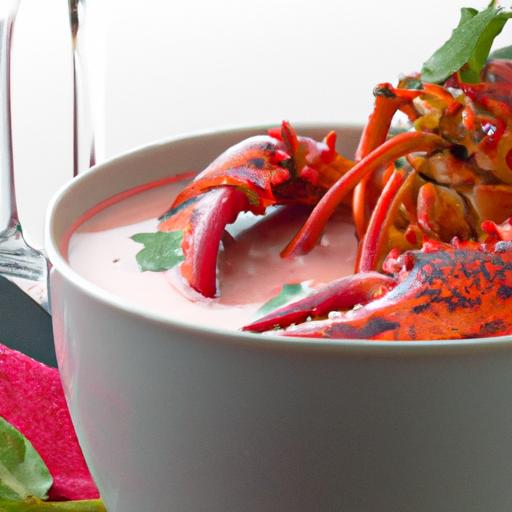
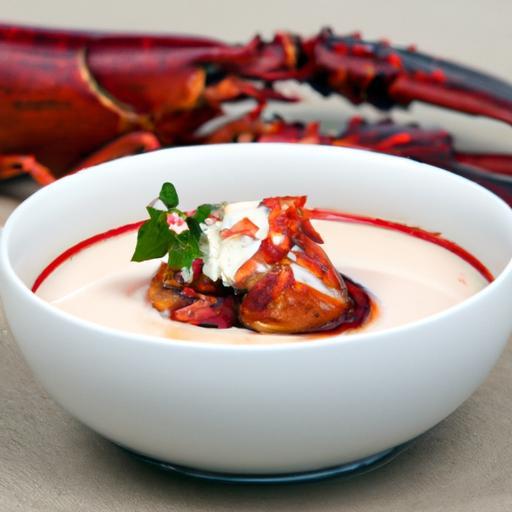
serve piping hot in shallow bowls to showcase this luxurious soup’s creamy texture and ruby-orange hue. Garnish with finely sliced fresh chives and a delicate sprinkle of lemon zest that brightens the bisque’s richness. Accompany with crispy garlic crostini or a crusty baguette brushed with herb-infused olive oil for a perfect textural contrast.
Pairing your bisque with a crisp,chilled glass of sparkling water infused with cucumber or a dry,aromatic white tea elevates the coastal dining experience without overpowering the lobster’s delicate sweetness.
For an inspiring seafood feast, explore recipes like our New England Seafood Boil-a perfect companion dish that celebrates the region’s abundance.
Nutritional Facts per Serving
| Calories | Protein (g) | Carbohydrates (g) | fat (g) |
|---|---|---|---|
| 310 | 22 | 12 | 20 |

by embracing the meticulous layering of lobster and aromatics, you’ll craft a bisque that honors tradition while inspiring your culinary creativity. This is a dish to savor slowly-with every spoonful carrying the essence of coastal heritage and refined technique.
To deepen your understanding of lobster’s culinary versatility, visit the national Geographic feature on lobster history-a captivating insight into the crustacean’s storied past and cultural importance.
Q&A
Q&A: Savoring Tradition – the Art of New England Lobster Bisque
Q: What makes New England lobster bisque a culinary treasure?
A: New England lobster bisque captures the region’s maritime spirit in a velvety, rich soup that harmonizes the sweet essence of fresh lobster with aromatic herbs and a silky cream base. Its deep, layered flavors tell the story of coastal tradition and skillful craftsmanship, making it much more than just a dish-it’s a celebration of place and season.
Q: How does lobster bisque differ from other seafood soups or chowders?
A: unlike chunky clam chowder or simpler seafood stews, lobster bisque is renowned for its smooth, creamy texture and refined depth of flavor. It’s carefully strained and pureed to achieve that luscious silkiness, with lobster shells simmered long to extract intense flavor, lending the bisque a luxurious body and a fragrant, complex taste profile.
Q: What are the key ingredients that define an authentic New England lobster bisque?
A: At its heart, authentic lobster bisque relies on fresh lobster meat, aromatic mirepoix (a blend of onions, celery, and carrots), rich lobster stock derived from simmered shells, tomato paste for subtle acidity and color, and cream for that signature silky texture. Herbs like thyme and bay leaf gently infuse the broth, enhancing but never overpowering the lobster’s natural sweetness.
Q: Can you describe the traditional method of preparing lobster bisque?
A: the process begins with roasting or sautéing lobster shells to deepen their flavor, then simmering them slowly with vegetables and aromatics to create a robust stock. This stock is then strained and combined with sautéed mirepoix and tomato paste, cooked down and blended until silken. freshly cooked lobster meat and cream are folded in, warming gently to preserve delicate flavors and textures.
Q: Why is the use of lobster shells vital in making lobster bisque?
A: Lobster shells are the secret to bisque’s signature depth. When simmered, they release natural gelatin and rich umami flavors that transform the broth from simple stock to a luxurious base. This technique extracts every ounce of lobster essence, making each spoonful a concentrated taste of the sea.
Q: How can one balance the richness of the cream and lobster in bisque?
A: Achieving balance is an art. The cream should enhance the bisque’s body without overpowering the lobster’s sweet,briny notes. Introducing a touch of acidity-often through a splash of sherry vinegar or lemon juice-brightens the flavors, while herbs and spices add complexity, ensuring the richness feels indulgent yet refined.
Q: What are some common mistakes to avoid when making lobster bisque at home?
A: Overcooking the lobster meat can lead to a rubbery texture, so it’s best to add it toward the end of cooking. Also, neglecting to simmer the shells long enough can result in a weak broth lacking depth. rushing the pureeing or skipping the straining step detracts from the bisque’s signature silkiness.
Q: How has New England lobster bisque evolved over time?
A: Rooted in French culinary tradition but adapted to local ingredients and tastes, new England lobster bisque has evolved to emphasize fresh, regional lobster and seasonal produce. Contemporary chefs may experiment with subtle twists, yet many honor the classic recipe’s elegance and respect for the lobster’s natural flavor.
Q: What dishes or occasions pair beautifully with lobster bisque?
A: Lobster bisque shines as an elegant starter for celebratory meals or cozy dinners by the fire. It pairs well with crusty artisan bread or delicate oyster crackers, providing a perfect contrast to the soup’s creamy texture. Its luxurious nature makes it ideal for special gatherings or a quiet indulgence.
Q: Why is savoring lobster bisque considered an experience beyond just eating?
A: To savor lobster bisque is to engage with history, place, and craft-each spoonful a blend of sea-salty freshness and painstaking technique. It invites mindfulness, encouraging diners to slow down and appreciate the harmonious marriage of flavors and textures that tell a story of New England’s coastal bounty and culinary soul.
In Summary
As the final spoonful of New England lobster bisque glides effortlessly across your palate, you’re not just tasting a soup-you’re experiencing a flavorful tapestry woven from generations of coastal tradition and culinary artistry. This velvet-hued bisque, rich with the ocean’s bounty and crafted with patient care, invites us to savor more than just flavor; it invites us to cherish the stories, heritage, and heartfelt rituals that have preserved this classic dish through time. in every ladle lies a celebration of New England’s enduring connection to the sea, reminding us that true artistry in cooking is not only about technique but about honoring the legacies that nourish both body and soul.