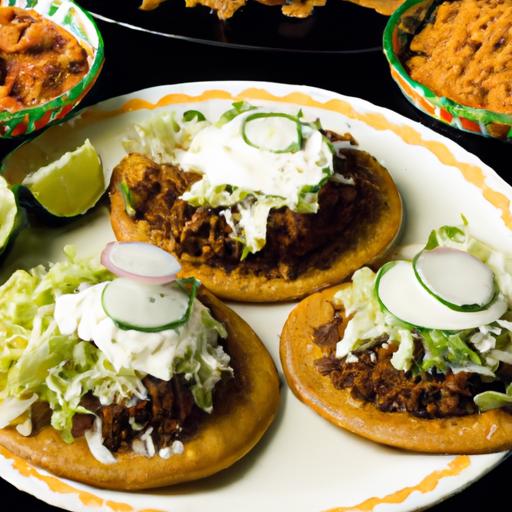


In the vibrant tapestry of Mexican cuisine, where bold flavors and rich traditions intertwine, sopes stand out as little masterpieces of taste and texture.These thick, handcrafted corn cakes, lovingly pinched at the edges too cradle a bounty of savory toppings, are more than just street food-they are edible stories passed down through generations. From the bustling markets of Oaxaca to the colorful streets of Mexico City, sopes invite you to savor layers of history, culture, and flavor in every bite. Join us as we explore these thick, flavor-packed treasures, uncovering the secrets that make sopes an enduring symbol of Mexico’s culinary soul.
Discovering the Origins and Cultural Importance of Sopes
Savoring Sopes immerses you in a vibrant Mexican culinary tradition that dates back centuries. Originating from indigenous communities long before European influence, these thick, hand-pressed corn cakes were cherished as a hearty staple. Traditionally, sopes symbolize family gatherings, street fairs, and festive celebrations, where their versatility shines through endless regional adaptations. My first encounter with sopes was at a bustling market in Oaxaca, where the enticing aroma of freshly fried corn dough mingled with smoky roasted chilies and bright, zesty toppings. Each bite was a journey into Mexico’s rich history, embodying both rustic simplicity and deep cultural pride.
Made with masa harina, sopes are like little edible canvases inviting creativity. Their slightly puffy, crisp-edged base is essential-it holds a melange of flavors that range from earthy beans to fiery salsas and cooling fresh cheeses. Through savoring sopes, we appreciate not just a meal but a connection to Mexico’s heart and soul.
Prep and Cook Time
- Preparation: 15 minutes
- Cooking: 10 minutes
- Total Time: 25 minutes
Yield
Makes 8 medium-sized sopes, serving 4 people generously.
Difficulty Level
Medium – Requires some hands-on shaping but easy with practice.
Ingredients
- 2 cups masa harina (corn flour for tortillas)
- 1 ¼ cups warm water
- ½ teaspoon salt
- Vegetable oil for frying (about ⅓ cup)
- 1 cup refried black beans (warm)
- 1 cup crumbled queso fresco or cotija cheese
- ½ cup diced white onion
- Fresh cilantro leaves for garnish
- Optional: sliced avocado, shredded lettuce, crema mexicana
Instructions
- Prepare the masa dough: In a large bowl, combine the masa harina and salt. Slowly add the warm water, mixing with your hands until a soft, pliable dough forms that’s not sticky but holds together easily.
- Divide and shape: Pinch off golf-ball sized portions. Using your palms, roll each into a ball, then gently flatten to about ¼ inch thickness. Use your thumbs to pinch edges upward, creating a shallow rim to hold toppings.
- Pre-cook the sopes: Heat a large skillet or griddle over medium heat. cook each sope about 1-2 minutes on each side until lightly firm but not cooked all the way through. This step prevents dough from puffing irregularly during frying.
- Fry to perfection: Pour oil into a skillet about ¼ inch deep and heat over medium-high until shimmering. Fry each sope for 1-2 minutes per side, until golden brown and puffy with slightly crisp edges. Transfer to paper towels to drain excess oil.
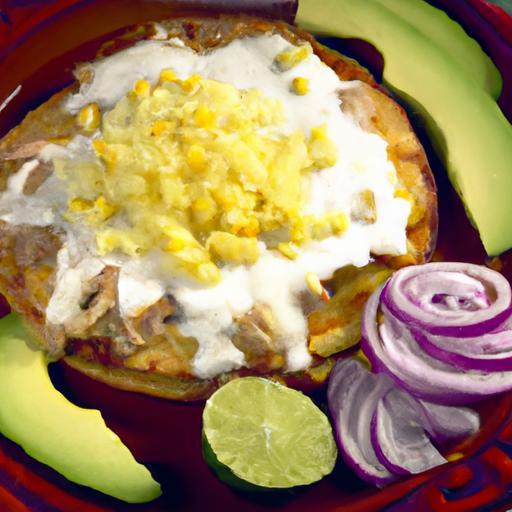
- Add toppings: Spread a spoonful of warm refried beans over the surface of each sope, then sprinkle liberally with crumbled queso fresco. Garnish with diced onions, fresh cilantro, and any other toppings you prefer, like sliced avocado or a drizzle of crema.
- Serve immediately: Best enjoyed warm, paired with a refreshing Mexican salsa or a cool beverage to balance the richness.
Tips for Success
- Use fresh masa harina: Ensures pliable dough that crisps beautifully when fried.
- Patience when shaping: Avoid pressing the dough too thin; thick edges help trap toppings and keep sopes sturdy.
- Oil temperature is key: Too hot, and sopes burn; too cool, and they absorb oil and become greasy. Aim for medium-high heat and test with a small piece of dough before frying.
- Make ahead: Prepare the masa dough and shape sopes up to 2 hours in advance, keep covered with a damp cloth to prevent drying.
- Toppings versatility: Try sautéed mushrooms or grilled nopales (cactus paddles) for modern twists.
Serving Suggestions
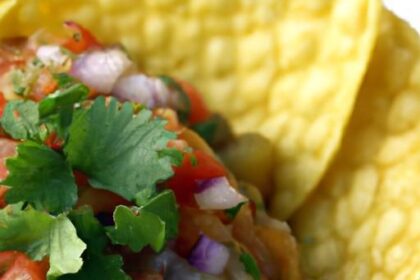
Present your sopes on colorful ceramic plates to highlight their rustic charm. Add a vibrant Mexican salsa guide for guests to explore-from tangy green tomatillo to smoky chipotle rojo. Garnish with bright slices of avocado, a sprinkle of fresh cilantro leaves, and a dollop of crema to create a lively flavor contrast and striking visuals.
A crisp, chilled agua fresca, such as hibiscus or cucumber-lime, perfectly complements the savoring sopes experience by cleansing the palate between bites.
| Nutrition (per sope) | Calories | Protein | Carbs | Fat |
|---|---|---|---|---|
| Values | 180 kcal | 7 g | 25 g | 6 g |

Q&A
Q&A: Savoring Sopes – Mexico’s Thick, Flavor-Packed Treasures
Q1: What exactly is a sope?
A1: A sope is a small, thick corn cake from Mexico, traditionally made from masa harina. It’s shaped by pinching the edges upward, creating a little edible bowl that holds a delightful mound of toppings. Think of it as a miniature platter of bold Mexican flavors all nestled on a golden, hearty base.
Q2: How do sopes differ from tacos or tostadas?
A2: While tacos use soft tortillas folded around fillings and tostadas are crispy,flat tortillas piled high,sopes are uniquely thick with raised edges,giving them a sturdy vessel-like shape. this design traps delicious toppings like refried beans, cheeses, fresh vegetables, and salsas, offering a bite that’s crunchy yet tender and bursting with texture.
Q3: What are the classic toppings for sopes?
A3: Classic sopes are often layered with refried black or pinto beans, crumbled fresh cheese (like queso fresco), shredded lettuce, diced tomatoes, onions, and a drizzle of creamy Mexican crema. Salsa picante adds a spicy kick, and sometimes avocado slices or radishes bring a fresh crunch. The toppings balance freshness, creaminess, and that signature earthy masa flavor.
Q4: Can sopes be adapted for different diets?
A4: Absolutely! Sopes are incredibly versatile. vegetarians can load them with grilled vegetables, nopales (cactus), or mushrooms, while vegans might skip cheese and crema in favor of guacamole and plant-based crema alternatives. the thick masa base is naturally gluten-free,making sopes accessible to folks avoiding gluten,too.
Q5: What makes masa harina so special in sope-making?
A5: Masa harina, made from ground nixtamalized corn, is the soul of any sope. Nixtamalization enhances the corn’s flavor and nutritional content, imparting a subtle nuttiness and unique aroma. The masa’s pliability lets you shape the perfect sope with raised edges,and when cooked properly,it boasts a slightly crispy exterior with a tender inside-a textural delight.
Q6: Are sopes only eaten as street food or can they be part of a formal meal?
A6: While sopes are beloved street food in Mexico, they easily transition onto party tables and even elegant dinners with the right toppings and presentation. Their hand-held charm makes them perfect for casual gatherings,but artisan touches-like gourmet mushrooms or heirloom salsa-elevate them for special occasions.
Q7: How do you cook sopes at home to get that ideal texture?
A7: Start by shaping the masa dough into small discs and pinching the sides gently to form a rim. Cook them on a hot griddle until lightly browned on both sides. Frequently enough, sopes are then fried briefly to get a crispy exterior while keeping the inside soft. This contrast is crucial-it ensures the sope holds toppings without becoming soggy, delivering satisfying crunch and chew with every bite.
Q8: What regional variations of sopes exist in Mexico?
A8: Across Mexico, sopes wear many faces. Some regions add tangy red or green sauces, others sprinkle different cheeses or use unique beans native to local cuisine. In Oaxaca, you might find sopes topped with mole negro, lending deep complexity, while in Puebla, fresh herbs and bright salsas highlight the flavors. These variations showcase Mexico’s diverse culinary landscape through the humble sope.
Q9: Can sopes be a fun dish for culinary experimentation?
A9: Definitely! Their thick, sturdy form invites creativity-try layering roasted corn and poblano peppers with a squeeze of lime, or topping with sautéed mushrooms and epazote herb for an earthy twist. Even a sweet sope with cinnamon-spiked fruit and a drizzle of honey can be delightful. The sope’s canvas is ready for adventurous food lovers to paint their own flavor masterpiece.
Q10: Why should food lovers around the world embrace sopes?
A10: Sopes are a delicious celebration of corn’s central role in mexican culture and cuisine-a portable,flavorful bite packed with history and creativity. For anyone craving authentic, hearty, and deeply satisfying dishes that connect them to tradition in every taste, sopes offer an irresistible invitation.They’re more than food; they’re a story told through texture, color, and bold flavor. Savoring a sope is savoring a piece of Mexico itself.
To Conclude
As you close the chapter on these thick, flavor-packed treasures of Mexico, let the humble sope linger on your palate-and in your culinary imagination. More than just a dish, sopes are edible mosaics of culture, history, and vibrant ingredients, bringing together the earthiness of masa, the richness of beans and meats, and the brightness of fresh toppings in every bite. Whether you savor them from bustling street stalls or recreate them in your own kitchen, sopes invite you to taste the heart of Mexico’s culinary heritage-one thick, satisfying mouthful at a time. So go ahead, indulge in this timeless tradition, and let each sope tell you a story worth savoring.