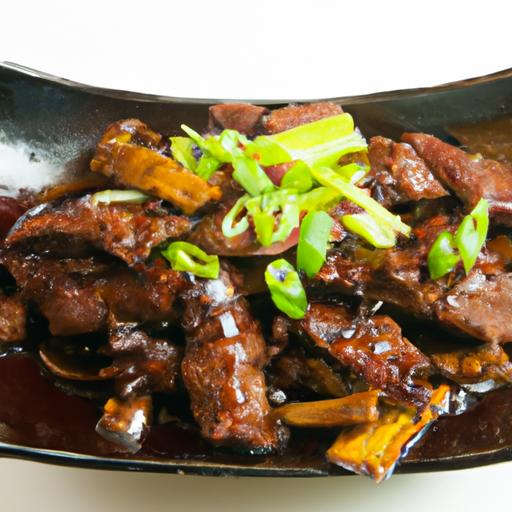


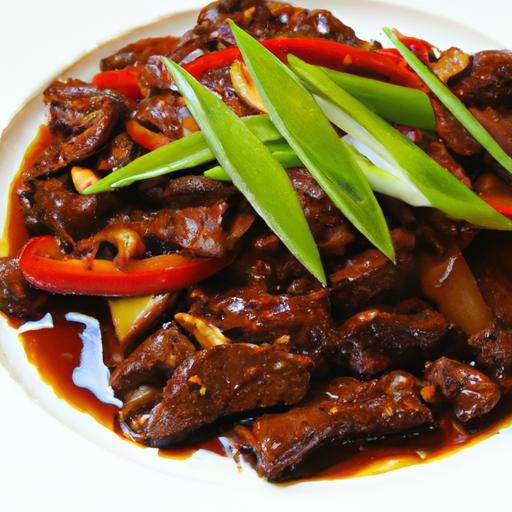
In the vibrant tapestry of global cuisine, few dishes capture the essence of cultural fusion and rich history quite like Mongolian Beef. More than just a savory meal,this beloved dish tells a story-a flavorful journey weaving together tender strips of beef,caramelized to perfection,with aromatic scallions and a sauce that dances between sweet,salty,and umami. Though its name evokes the vast steppes of Mongolia, Mongolian Beef is a culinary creation born from the heart of Chinese-American kitchens, reflecting a tradition of adaptation and homage. join us as we delve beneath the glossy sauce and tender bites to uncover the origins, techniques, and traditions that make savoring Mongolian Beef an unforgettable experience, bridging flavors and cultures in every mouthful.
Savoring Mongolian Beef offers a captivating glimpse into a dish that masterfully blends rich, savory flavors with a fascinating culinary history. Though this beloved recipe is often associated with Chinese-American cuisine,its origins and evolution reveal a tapestry of cultural influences that celebrate bold aromatics and tender textures. This dish invites you on a flavorful journey marked by the quintessential balance of soy, garlic, and ginger – flavors that uplift each juicy slice of beef to an unforgettable indulgence.
Prep and Cook Time
- Planning Time: 15 minutes
- Cooking Time: 10 minutes
- Total Time: 25 minutes
yield
Serves 4 generous portions
Difficulty Level
Medium – Perfect for home cooks ready to elevate thier skill with fast stir-fry techniques and flavor layering
Ingredients
- 1 lb flank steak, thinly sliced against the grain
- 2 tbsp cornstarch
- 3 tbsp vegetable oil (such as canola or peanut oil)
- 4 cloves garlic, minced
- 1 tbsp fresh ginger, finely grated
- 1/2 cup low-sodium soy sauce
- 1/2 cup water
- 1/3 cup brown sugar, packed
- 2 green onions, thinly sliced, for garnish
- 1 tsp chili flakes (optional for subtle heat)
- Steamed jasmine rice, for serving
Instructions
- Toss the sliced flank steak in cornstarch until all pieces are evenly coated. This helps develop a glossy sauce and tender crust during cooking.
- Heat 2 tablespoons of oil in a large skillet or wok over medium-high heat.once shimmering, add the beef slices in a single layer (work in batches if needed) and sear until browned and slightly crispy, about 2-3 minutes per side. remove and set aside.
- Reduce heat to medium and add the remaining tablespoon of oil.Sauté minced garlic and grated ginger until fragrant, about 1 minute, stirring constantly to prevent burning.
- Combine soy sauce, water, and brown sugar in a small bowl. Pour this mixture into the skillet, stirring frequently as the sugar dissolves and the sauce begins to thicken gently.
- Return the cooked beef into the skillet, tossing thoroughly to coat each slice with the luscious sauce. Cook for an additional 2-3 minutes until the sauce is glossy and clings well to the beef.
- Sprinkle chili flakes if using, and toss again briefly to incorporate.
- Serve immediately over steamed jasmine rice, garnished generously with sliced green onions for freshness and a pop of color.
Tips for crafting your Own Mongolian Beef Masterpiece at Home
- selecting the meat: Flank steak is ideal for its texture and flavor, but skirt steak works great too if sliced thinly against the grain to ensure tenderness.
- Meat coating: Cornstarch is essential to achieve that signature silky sauce texture and a slight crisp on the beef edges.
- Avoid overcrowding: Cook the beef in batches if necessary to maintain high heat and searing quality,preventing steaming.
- sauce balance: Taste and adjust sugar or soy to your preferred savory-sweet ratio, as this balance defines the authentic Mongolian beef flavor.
- Make-ahead option: Slice and marinate beef in cornstarch the night before; keep refrigerated and cook fresh for best results.
- Heat control: Burning ginger and garlic can cause bitterness; watch closely and stir constantly when sautéing aromatics.
Pairing Perfection: Complementary Sides and Beverage Suggestions
To elevate your Mongolian Beef experience, opt for a light yet flavorful side to balance the rich umami sauce. Steamed jasmine rice is classic, but for added texture, try rapid-pickled cucumbers or sautéed bok choy with garlic. A crisp green salad with sesame dressing adds brightness and cuts thru the richness with fresh acidity.
when it comes to beverages, a chilled jasmine tea or lightly sparkling water with a slice of lime complements the hearty dish beautifully. for something more festive, a crisp lager or a gently fruity Riesling pairs elegantly without overwhelming the palate.
Nutritional Details
| Serving Size | Calories | Protein | Carbohydrates | Fat |
|---|---|---|---|---|
| 1 cup | 320 | 28g | 18g | 14g |

Discover more mouthwatering Asian-inspired recipes in our Asian Cuisine Classics collection,and for a deeper dive into customary Chinese cooking techniques,visit Serious Eats.
Q&A
Q&A: Savoring Mongolian Beef – A Flavorful Journey into Tradition
Q1: What makes Mongolian beef a beloved dish in Asian cuisine?
A1: Mongolian beef captivates the palate with its perfect balance of tender, thinly sliced beef and a rich, savory-sweet sauce. Originating from Chinese-American culinary creations, this dish blends the robust flavors of soy sauce, garlic, scallions, and ginger to create a comforting yet exciting experience that celebrates both tradition and innovation.
Q2: Is Mongolian beef truly from Mongolia?
A2: While the name suggests a Mongolian origin, Mongolian beef is actually a Chinese-American invention. It draws inspiration from the bold,hearty style associated with Mongolian cuisine but was popularized in the United States.The dish embodies a fusion of flavors rather than an authentic Mongolian recipe, highlighting the creativity of immigrant cooks adapting to new palates.
Q3: What cuts of beef work best for Mongolian beef?
A3: The success of Mongolian beef hinges on selecting tender,quick-cooking cuts like flank steak,sirloin,or skirt steak. These cuts, sliced thinly against the grain, ensure a juicy, melt-in-your-mouth texture that absorbs the luscious sauce beautifully without becoming tough or chewy.
Q4: How is the classic Mongolian beef sauce crafted?
A4: The signature sauce is a harmonious blend of soy sauce,brown sugar,garlic,ginger,and a touch of hoisin or oyster sauce for depth. Stirred together and thickened slightly with cornstarch, it clings lovingly to the beef and vegetables, delivering a sweet-savory punch that defines the dish’s irresistible charm.
Q5: What traditional aromatics elevate the flavor profile of Mongolian beef?
A5: Fresh garlic, ginger, and scallions are the aromatics that truly elevate Mongolian beef.Their sharp, fragrant notes balance the sweetness and bring complexity to every bite. scallions, especially, add a fresh, green crunch that contrasts with the tender beef, making the dish multidimensional.
Q6: can Mongolian beef be adapted for different dietary preferences?
A6: Absolutely! While the classic recipe shines with beef, the core technique and sauce translate well to othre proteins such as chicken or plant-based options like seitan or mushrooms. The key is maintaining the luscious sauce and quick stir-fry method to keep the dish vibrant and flavorful.
Q7: How is Mongolian beef typically served to highlight its flavors?
A7: Mongolian beef is traditionally served atop fluffy steamed white rice or alongside garlic fried rice. The neutral grains soak up the savory sauce, enhancing every mouthful. Some also enjoy it with simple steamed vegetables or nestled into lettuce wraps for a fresh, crisp contrast.
Q8: What cultural significance does Mongolian beef hold in contemporary cooking?
A8: Beyond its delicious taste, Mongolian beef represents the ingenuity of diasporic cuisine-how cultural intersections create new traditions. It’s a testament to how food evolves and travels, honoring heritage while embracing innovation, inspiring cooks worldwide to savor every bite as a flavorful journey.
Q9: Are there traditional Mongolian ingredients in this dish?
A9: While the dish is more of a Chinese-American innovation, the use of soy sauce and scallions nods toward East Asian culinary traditions. however, traditional Mongolian food more commonly features meats like lamb and uses dairy products and fermented flavors. mongolian beef borrows the idea of hearty, meat-centric fare but adapts it with distinctly Chinese sauce components.
Q10: What tips can home cooks use to perfect Mongolian beef?
A10: To master Mongolian beef,slice the beef thinly and marinate briefly for tenderness. Stir-fry on high heat to achieve a caramelized exterior without overcooking. Don’t rush the sauce; balance sweetness and saltiness carefully, and add scallions at the last moment for freshness. Serve immediately to enjoy the ideal tender, saucy texture that makes this dish a crowd-pleaser.
In Summary
As each bite of Mongolian beef unfolds its rich, savory layers, we are invited not only to taste a dish but to experience a vibrant tapestry of culture and tradition. This flavorful journey reminds us that food is more than sustenance-it is a storyteller, a bridge connecting past and present, hearth and table. Whether recreated in your own kitchen or savored at a beloved restaurant, Mongolian beef offers a delicious gateway into the heart of culinary heritage, inviting us all to savor tradition one mouthwatering bite at a time.