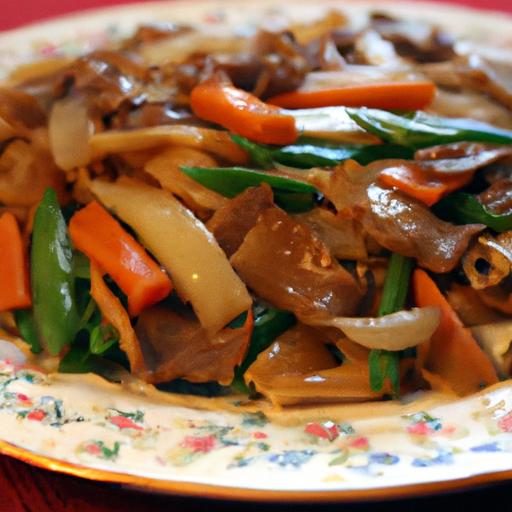
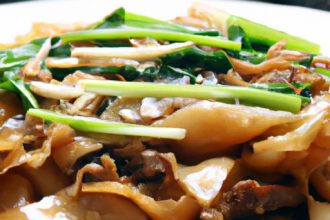


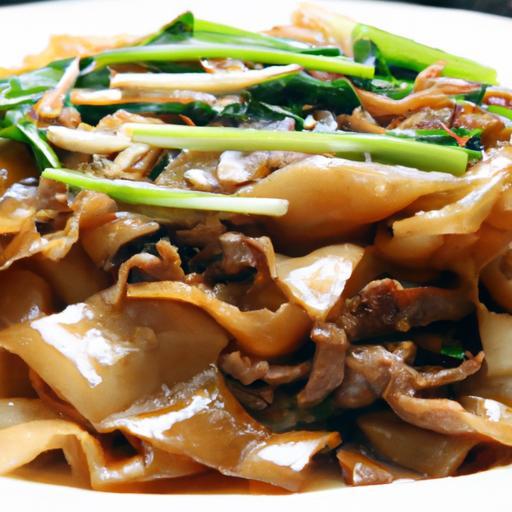
In the vibrant tapestry of Cantonese cuisine,few dishes capture the essence of tradition and flavor quite like Beef Chow Fun. With its tender slices of beef, smoky wok char, and silky flat rice noodles, this beloved classic is more than just a meal-it’s a sensory journey into the heart of southern China’s culinary heritage. Join us as we unveil the secrets behind Beef Chow Fun, exploring the artistry and ingredients that make this dish a timeless favorite for food lovers around the world.Whether you’re a seasoned foodie or a curious newcomer, prepare to savor each bite of this flavorful symbol of Cantonese cooking excellence.
Savoring Beef Chow Fun begins with capturing the elusive wok hei-that smoky, charred essence that breathes life into every bite and defines authentic Cantonese stir-fry. This classic dish is a symphony of tender beef, silky wide rice noodles, and a delicate balance of savory sauces, each element elevated through mastery of heat and technique. Years of culinary exploration have shown me that the heart of an impeccable Beef Chow Fun lies not only in its ingredients but in the reverence for the wok’s fiery spirit and timing.
Prep and cook Time
- Prep Time: 20 minutes
- Cook Time: 8 minutes
- Total Time: 28 minutes
Yield
- Serves 3-4 people
difficulty level
- Medium
ingredients
- 300g flank steak, thinly sliced against the grain
- 400g fresh wide rice noodles (hor fun), gently separated
- 3 tablespoons vegetable oil, divided
- 4 green onions, cut into 2-inch lengths
- 2 cloves garlic, minced
- 2 tablespoons light soy sauce
- 1 tablespoon dark soy sauce (for color)
- 1 teaspoon oyster sauce (ensure no pork derivatives)
- ½ teaspoon sesame oil
- ½ teaspoon white pepper
- 1 teaspoon cornstarch, mixed with 2 teaspoons water (beef marinade)
- 1 teaspoon Shaoxing cooking wine (optional, substitutes preferred if avoiding wine)
- Salt, to taste
Instructions
- Marinate the beef: Toss the thinly sliced flank steak with light soy sauce, the cornstarch slurry, white pepper, and Shaoxing cooking wine (or 1 tsp water + a pinch of sugar if avoiding alcohol). Let rest for 15 minutes to tenderize and season evenly.
- Prep noodles: Carefully loosen the fresh hor fun noodles with your fingers to separate strands without tearing. If using refrigerated noodles, allow them to come to room temperature before use.
- Heat the wok: Set your wok over high heat until it starts to smoke lightly. Add 2 tablespoons of vegetable oil and swirl to coat. The wok must be scorching for wok hei to develop.
- Cook the beef: add the marinated beef in a single layer, searing quickly until just browned but still tender-about 45 seconds per side. Remove and set aside to avoid overcooking.
- Stir-fry aromatics: Add the remaining tablespoon of oil, tossing in minced garlic and the white parts of the green onions. Stir for 20 seconds until fragrant but not burnt.
- Introduce the noodles: Add the rice noodles, pressing down gently. Let them sit undisturbed for 1 minute to achieve slight charring, then toss gently to separate and incorporate. This step is crucial for silky texture combined with wok hei.
- Season the noodles: Drizzle the dark soy sauce, oyster sauce, and a pinch of salt over the noodles. Toss quickly but carefully to coat without breaking the noodles.
- Return beef to wok: Return cooked beef to the noodles along with the green parts of the spring onions. Stir-fry everything together for another 30 seconds-1 minute, allowing flavors to meld and the noodles to absorb the savory sauces.
- Finish and serve: Remove from heat. Drizzle sesame oil to elevate aroma and serve promptly while the wok hei and textures are at their peak.
Tips for Success
- Choosing the Right Beef: Flank or sirloin offer a balance of flavor and tenderness. Always slice thinly against the grain to maximize tenderness-this makes the difference between chewy and melt-in-your-mouth.
- Noodle care: Handle the fresh hor fun gently. Excessive stirring or breaking the noodles will destroy their smooth texture. If fresh noodles aren’t accessible, soak dried wide rice noodles just until pliable, then pat dry.
- Embrace the Wok Hei: The secret to authentic Beef Chow Fun lies in the open flame or highest-heat wok cooking. If your stovetop can’t achieve this, consider a powerful outdoor burner or cast iron pan.
- Oyster Sauce Caution: Choose vegetarian or clean-label oyster sauces if avoiding animal products or suspect pork derivatives.
- Advance Prep: Slice and marinate beef ahead of time, and prepare aromatics to swiftly execute stir-frying. Wok cooking demands speed and precision.
serving Suggestions
- Garnish with fresh cilantro leaves and a sprinkle of toasted white sesame seeds for visual brightness and crunch.
- A side of crisp steamed bok choy or Chinese broccoli complements the rich flavors beautifully.
- Serve with a wedge of lime for an optional citrus brightness to contrast the umami.
- A bowl of clear broth or simple miso soup balances the meal, making it feel complete and comforting.
| Nutrition | Per Serving |
|---|---|
| Calories | 410 kcal |
| Protein | 32g |
| Carbohydrates | 42g |
| Fat | 12g |
Discover more about mastering stir-fry techniques in our Ultimate Guide to Stir-Frying, and deepen your understanding of authentic Cantonese sauces with Serious Eats’ Cantonese Cooking Explained.

Q&A
Q&A: Savoring Beef Chow Fun - A Flavorful Cantonese Classic Unveiled
Q1: What is Beef Chow Fun, and why is it considered a Cantonese classic?
A1: Beef Chow Fun is a beloved stir-fried noodle dish originating from Cantonese cuisine. it features wide, flat rice noodles tossed with tender slices of beef, crisp bean sprouts, green onions, and a savory blend of soy-based sauces.Its smoky, slightly charred aroma-known as “wok hei”-makes it an iconic depiction of Cantonese stir-fry mastery, cherished for its bold flavors and satisfying textures.
Q2: what makes the noodles in Beef Chow Fun unique?
A2: The noodles, called “ho fun,” are wide and flat rice noodles with a silky texture that holds up beautifully to stir-frying. Their thickness and smoothness allow them to absorb the savory sauces without becoming mushy, creating the perfect canvas for the rich flavors and the seared char marks that enhance the dish’s complexity.
Q3: How is the beef prepared to maximize flavor and tenderness?
A3: The beef used in Chow Fun is typically sliced thinly against the grain and marinated briefly in a mixture of soy sauce, a touch of cornstarch, and aromatic ingredients like ginger and garlic. This tenderizes the meat and helps it sear beautifully in the hot wok, locking in juiciness and imparting a depth of flavor that complements the noodles perfectly.
Q4: What role does the wok play in cooking beef Chow Fun?
A4: The wok is essential for achieving the characteristic “wok hei,” a smoky, slightly charred essence that defines authentic Cantonese stir-fry. Its high, sloping sides allow for swift, even cooking at intense heat, enabling the noodles, beef, and vegetables to caramelize just right while preserving their texture and freshness.
Q5: Are there any key techniques to master when making Beef Chow Fun at home?
A5: Absolutely! First, use fresh or well-drained rice noodles to prevent clumping. Ensure your wok or skillet is scorching hot before adding ingredients to achieve that coveted sear. Stir-fry ingredients quickly and in small batches to maintain high heat. Lastly, add sauces sparingly and toss swiftly to coat noodles evenly without sogginess.Q6: Can Beef Chow Fun be customized while keeping its authentic essence?
A6: Yes! While beef is classic, you can experiment with diffrent cuts like flank or sirloin for varied texture. Additional vegetables like scallions and bean sprouts are conventional, but adding bell peppers or mushrooms can offer a new twist.Just keep the fundamental balance of tender beef, chewy noodles, and savory sauce to honor the dish’s heritage.
Q7: What sides or accompaniments enhance the experience of enjoying Beef Chow Fun?
A7: To complement the rich and savory flavor of Beef Chow Fun, consider light sides such as steamed bok choy, crisp cucumber salad with a tangy dressing, or a simple bowl of hot clear soup with greens. These provide refreshing contrast and balance, allowing the hearty noodles to shine.Q8: Why has beef Chow Fun endured as a favorite across generations and regions?
A8: Its enduring appeal lies in the harmonious blend of textures-the tender beef, silky noodles, and crunchy sprouts-combined with the unmistakable warmth and aroma of wok-fried goodness. It’s a dish that feels both comforting and celebratory, adaptable yet deeply rooted in Cantonese culinary tradition, making it timeless and universally loved.
Delve into the world of beef Chow Fun and discover how this humble cantonese classic captures the heart through every savory bite, inviting you to experience the art of stir-fry like never before.
Concluding Remarks
As we close the wok on our journey through the rich, savory world of Beef Chow Fun, it’s clear that this Cantonese classic is more than just a dish-it’s a celebration of tradition, technique, and true flavor harmony. From the tender beef slices to the fragrant char of stir-fried noodles, every bite tells a story of culinary finesse passed down through generations. Whether enjoyed at a bustling street market or recreated in your own kitchen, savoring Beef Chow Fun invites you to experience the heart of Cantonese cuisine in its most authentic, mouthwatering form. So next time hunger calls, let this flavorful dish be your delicious passport to a timeless taste adventure.