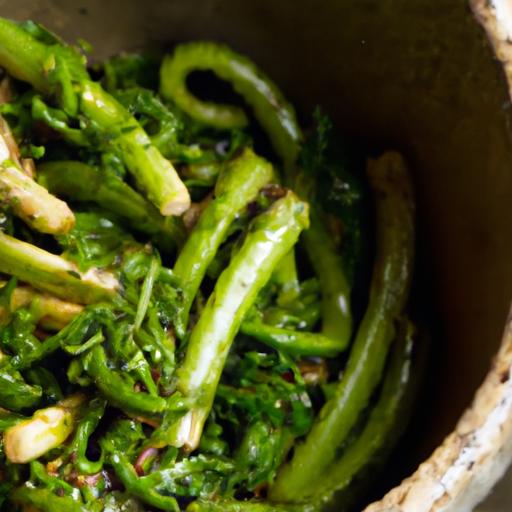


As spring awakens from its slumber, nature offers a fleeting treasure that tantalizes the taste buds and delights the senses: fiddlehead ferns. These vibrant, coiled greens emerge briefly each year, their unique shape and fresh, earthy flavor making them a coveted ingredient for adventurous cooks and food lovers alike. But capturing their delicate essence requires a touch of culinary finesse. In this article, we’ll guide you through the art of perfectly sautéing fiddlehead ferns-turning these wild springtime gems into a tender, flavorful dish that celebrates the season’s freshest bounty. Prepare to savor the season in every bite.
Savor the Season: How to Perfectly Sauté Fiddlehead Ferns begins with choosing the freshest, most vibrant fiddlehead ferns to ensure every bite bursts with earthy, nutty flavor. These wild, coiled greens evoke the very spirit of spring - a fleeting and coveted delicacy that transforms the table with its unique texture and subtle seasonality.Harvested in early spring, fiddleheads are a culinary treasure that invite a mindful approach, from selecting each tender curl to the final sizzle in your skillet. With the right guidance,you can elevate this humble green into a standout dish that delights both visually and on the palate.
Prep and Cook Time
- Preparation: 15 minutes
- Cooking: 8 minutes
- Total: 23 minutes
Yield
- Serves 4 as a side dish
Difficulty Level
- Medium – ideal for adventurous home cooks eager to master seasonal ingredients
Ingredients
- 1 pound fresh fiddlehead ferns, tightly coiled and radiant green
- 2 tablespoons extra-virgin olive oil or unsalted butter for a richer finish
- 3 cloves garlic, finely minced
- 1 teaspoon lemon zest plus 1 tablespoon fresh lemon juice
- salt and freshly ground black pepper, to taste
- 1/4 teaspoon crushed red pepper flakes (optional, for mild heat)
- 2 tablespoons toasted pine nuts or sliced almonds for crunch
- Fresh parsley, finely chopped for garnish
Instructions
- Selecting fresh fiddlehead ferns: Choose fiddleheads with bright, tight coils and no signs of browning or wilting. Their texture should feel firm and crisp to the touch.
- Cleaning the fiddleheads: Rinse the fiddleheads thoroughly in cold water to remove dirt and any papery brown remnants. Trim off the brown ends and pinch away any leftover brown scales gently. Repeat rinsing as necessary.
- Blanching for tenderness and safety: Bring a large pot of salted water to a boil, then add the fiddleheads.Boil for 2 minutes, then promptly transfer them to a bowl of ice water to stop cooking. Drain well and pat dry-this process reduces bitterness and ensures a tender texture.
- Sautéing to perfection: Heat olive oil or butter over medium-high heat in a large skillet. Add the garlic and red pepper flakes, sautéing until fragrant, about 30 seconds. Add the drained fiddleheads, tossing gently to coat in the oil.
- Sauté until bright green and tender-crisp: Cook for approximately 5 minutes, stirring occasionally to prevent sticking. The fiddleheads should turn a vibrant green and become tender but retain a slight bite. season with salt and black pepper toward the end of cooking.
- Final flavor lift: Stir in the lemon zest and lemon juice,tossing to incorporate immediately before removing from heat.
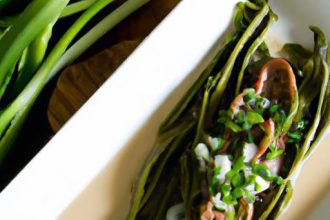
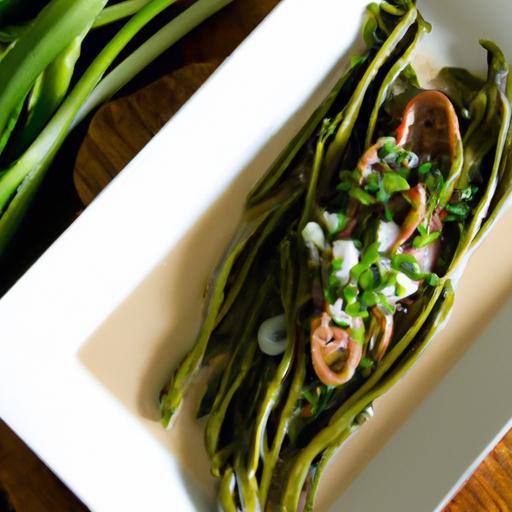
- Plating with garnish: Transfer the sautéed fiddleheads to a serving dish. Sprinkle toasted pine nuts and fresh parsley over the top for an added layer of texture and freshness.
Tips for Success: Mastering How to Perfectly Sauté Fiddlehead Ferns
- Why blanch before sautéing? Fiddleheads can hold residual bitterness and contain natural toxins that blanching neutralizes. Skipping this step may result in a more astringent flavor and tougher texture.
- Substitution tip: If pine nuts are unavailable, toasted walnuts or sunflower seeds make excellent replacements.
- Flavor variations: For an herbaceous twist, add fresh thyme or tarragon mid-cook. A drizzle of nutty brown butter can replace olive oil for a luscious finish.
- Make-ahead tips: Blanched fiddleheads can be refrigerated up to 24 hours before sautéing, making this recipe perfect for quick springtime weeknight dinners.
- Avoid overcooking: The key to savoring the season with fiddleheads is maintaining their crisp tenderness. Overcooking will dull their bright flavor and result in a mushy texture.
Serving Suggestions
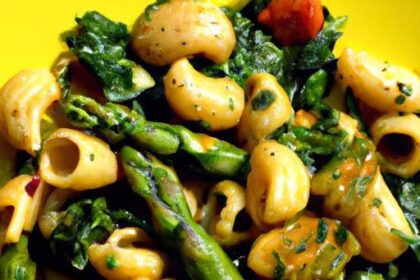
The vibrant, savory fiddleheads pair beautifully as a side to grilled fish, roasted chicken, or vegetarian grain bowls. Serve them atop creamy polenta or toss with cooked pasta,lemon,and Parmesan for a light spring meal.Garnish with a sprinkle of flaky sea salt and freshly cracked pepper for presentation flair.Consider complementing with roasted cherry tomatoes or a smear of tangy goat cheese on crusty bread for a café-style experience.

| Nutrient | Per Serving |
|---|---|
| Calories | 120 |
| Protein | 4g |
| Carbohydrates | 7g |
| Fat | 9g |
Discover More Seasonal Delights
Expand your culinary horizons with our guide to spring vegetable recipes, perfect for creating fresh, seasonal menus. For deeper insight into fiddlehead foraging and health benefits, visit the authoritative FDA guidelines on fiddlehead ferns.
Q&A
Savor the Season: How to Perfectly Sauté Fiddlehead Ferns – Q&A
Q: what exactly are fiddlehead ferns, and why are they considered a seasonal delicacy?
A: Fiddlehead ferns are the curled young shoots of certain fern species, most commonly the ostrich fern. Harvested in early spring, their vibrant green coils resemble the scroll on a violin, hence the name “fiddlehead.” These tender greens are prized for their unique texture-a delightful mix of crispness and earthiness-and their brief availability each year makes them a true seasonal treasure.Q: How do I properly prepare fiddlehead ferns before sautéing?
A: Preparation is key to unlocking their delicate flavors. begin by rinsing the fiddleheads thoroughly to remove any stubborn dirt or brown papery husks. Then, blanch them in boiling salted water for 1-2 minutes to both tenderize and eliminate any slight bitterness or natural toxins. After blanching, plunge them into ice water to halt cooking and preserve their vibrant color. Drain well before moving on to the sauté.
Q: What oil or fat works best for sautéing fiddleheads?
A: A light, flavor-neutral oil like grapeseed or avocado oil is fabulous for highlighting the fiddleheads’ pure vegetal taste without overpowering it. Alternatively, a good-quality olive oil offers a gentle fruity note that complements the ferns beautifully. The goal is a delicate coating that allows the fiddleheads’ natural nuances to shine through.
Q: Which flavors and aromatics pair brilliantly with sautéed fiddleheads?
A: Think bright, fresh, and subtly savory. Garlic minced finely or thinly sliced shallots add a rich foundation. A squeeze of fresh lemon juice or a sprinkle of lemon zest brightens the dish, cutting through the natural earthiness. Fresh herbs like parsley, chives, or tarragon elevate the flavor profile with delicate greens. for a touch of heat, a pinch of red pepper flakes works wonders.
Q: What’s the ideal technique and timing for sautéing fiddlehead ferns?
A: Heat your chosen oil over medium-high heat until shimmering. Add aromatics first-garlic and shallots-cooking briefly until fragrant (about 30 seconds to one minute), then toss in the pre-blanched fiddleheads.Sauté for 3 to 5 minutes, stirring or tossing frequently, until they are tender yet still retain a slight crunch. Overcooking can turn them mushy, so watch closely!
Q: How can I tell when sautéed fiddlehead ferns are perfectly cooked?
A: The ideal fiddlehead is tender enough to pierce easily with a fork, but still fresh and crisp-not limp or soggy. Their bright green hue should remain vivid, with a slight sheen from the oil and perhaps a gentle caramelization on the edges where they brush the pan.Q: Are there any safety considerations when handling fiddlehead ferns?
A: Absolutely! Raw fiddleheads contain natural compounds that can cause stomach upset if not cooked properly. Always wash and thoroughly cook them-blanching followed by sautéing-before enjoying. This ensures they’re both safe and delicious.
Q: What are some creative serving suggestions for sautéed fiddlehead ferns?
A: Sautéed fiddleheads are exceptionally versatile. Toss them with freshly cooked pasta and a sprinkle of toasted nuts for crunch. Serve atop a bed of creamy polenta or alongside roasted spring vegetables for a harmonious plate. They also shine as a vibrant garnish on grain bowls or mixed into a crisp spring salad to add exciting texture and flavor.
Q: How should I store fiddleheads if I’m not cooking them immediately?
A: Fresh fiddleheads are best eaten soon after harvest, but if you need to store them, keep them unwashed in a loosely sealed container or a paper bag in the refrigerator. They should stay fresh for up to 2-3 days.For longer storage, blanch and freeze them in airtight bags to preserve their springtime spirit.
Q: What makes sautéing the ideal method to enjoy fiddlehead ferns?
A: Sautéing strikes the perfect balance-it quickly brightens and tenderizes fiddleheads while enhancing their natural flavor without drowning them in heavy sauces. The technique locks in freshness, maintaining both texture and vibrant color, inviting you to savor each bite of this fleeting seasonal gem.
The conclusion
As the brief but vibrant fiddlehead fern season unfolds, mastering the art of sautéing these verdant delicacies invites you to savor spring’s freshest flavors in every tender, crisp bite. With a careful hand and a dash of culinary curiosity, you can transform these wild greens into a sublime dish that celebrates nature’s renewal. So next time you encounter these coiled wonders at the market or in the wild, remember that with just a few simple steps, you’re not only honoring a timeless tradition-you’re crafting a vibrant taste of the season itself. Happy sautéing,and may your adventures in flavor be as fresh and fleeting as the fiddlehead’s own green embrace.