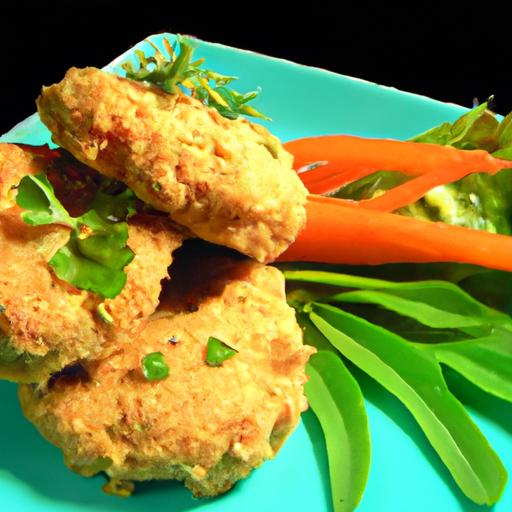



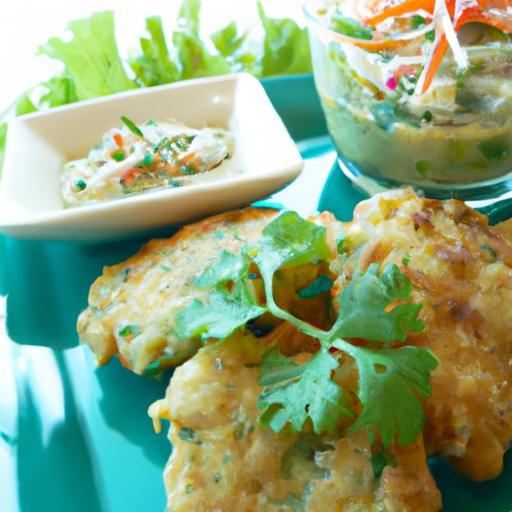
Bursting with vibrant herbs, fragrant spices, and an unmistakable hint of the sea, Thai fish cakes are a culinary treasure that tells a story of culture, tradition, and bold flavors. These golden-hued morsels, known locally as Tod Mun Pla, are more than just a snack-they are a harmonious blend of fresh fish, aromatic kaffir lime leaves, and fiery chilies, expertly balanced to create a taste experience thatS both complex and comforting.
In this guide, we’ll dive into the secrets behind authentic Thai fish cakes, exploring their origins, distinctive ingredients, and the techniques that elevate them from simple street food to a beloved delicacy. Whether you’re a seasoned foodie or a curious kitchen adventurer, get ready to savor the flavors that make Thai fish cakes an irresistible bite of Thailand’s rich culinary heritage.
Savor the Flavors: A Guide to Authentic Thai Fish Cakes brings to your kitchen the vibrant, aromatic, and irresistible world of Thailand’s street food staples. This dish is a party of fresh seafood fused with the brightness of customary herbs and spices, delivering a beautifully textured bite that is simultaneously chewy, tender, and bursting with flavor. Thai fish cakes are much more than a snack-they tell a story of coastal communities where ingredients are simple yet their combinations are brilliant.
Prep and Cook Time
- readiness: 20 minutes
- Cooking: 15 minutes
- total Time: 35 minutes
Yield
Approximately 16 medium-sized fish cakes (serves 4)
Difficulty Level
Medium – Requires some familiarization with fish paste texture and frying techniques
Ingredients
- 500g fresh white fish fillets (such as cod or snapper), finely chopped or processed
- 2 kaffir lime leaves, finely shredded
- 1 large egg
- 3 kaffir lime leaves, thinly sliced for garnish
- 2 tbsp red curry paste, authentic Thai style
- 2 tbsp fish sauce
- 1 tbsp sugar
- 3 green beans, finely chopped
- 3 fresh Thai red chilies, finely minced (optional for mild heat)
- 3 tbsp rice flour or cornflour, for binding
- vegetable oil (for shallow frying)
- Fresh coriander leaves, chopped, for garnish
Instructions
- Prepare the fish paste: Start by finely chopping or pulsing the fresh white fish into a sticky paste. Work quickly to keep the fish cold, which helps with texture.
- Combine paste and seasonings: In a large bowl, mix the fish paste with red curry paste, fish sauce, egg, sugar, and shredded kaffir lime leaves. Stir until the mixture is smooth and slightly sticky. This step unlocks the authentic Thai flavors and tender texture.
- Incorporate texture: Gently fold in the chopped green beans and chilies to add a fresh crunch and subtle heat, balancing the rich fish notes perfectly.
- Bind with rice flour: Add rice flour gradually to thicken the paste to a firm consistency that holds shape during frying.
- Shape the fish cakes: Wet your hands to prevent sticking and mold the mixture into small patties,roughly 2-3 inches in diameter and about 1/2 inch thick.
- Heat the oil: In a wide skillet, heat enough vegetable oil to shallow fry over medium heat. The oil should be hot but not smoking (around 170°C/340°F).
- Fry until golden: Carefully place the fish cakes in the pan without overcrowding. Fry each side for 3-4 minutes until a crisp, golden-brown crust forms.
- Drain and rest: Transfer cooked fish cakes to a paper towel-lined plate to drain excess oil. Let them rest briefly; this enhances the texture and seals the juices inside.
- Garnish and serve: Sprinkle with thinly sliced kaffir lime leaves and fresh coriander. Serve immediately with your favorite dipping sauce for an explosion of authentic flavors.
Tips for Success
- Freshness is key: Use the freshest white fish possible for the best texture and flavor. Avoid frozen fish unless fully thawed and drained.
- Kaffir lime leaves: These add the distinctive citrus aroma. if unavailable, substitute with finely grated lime zest, but avoid leaves from other plants as the flavor differs dramatically.
- Texture adjustment: If the mixture feels too loose, add a little more rice flour gradually-not too much, or the cakes become rubbery.
- Shallow frying tip: Use medium heat so cakes cook through evenly without burning the exterior.
- Make-ahead: Form patties and refrigerate for up to 1 day or freeze uncooked fish cakes. Thaw before frying.
Serving Suggestions
Elevate your Thai fish cakes experience by serving them with a crisp cucumber relish or a classic sweet chili dipping sauce. Pair the dish with steamed jasmine rice and fresh herbs like Thai basil or cilantro for a balanced meal. Garnish with thin slices of kaffir lime leaf and a few fragrant lime wedges to squeeze over for a zesty lift. For textural contrast, add a small side of pickled vegetables or a simple green salad dressed with lime juice and palm sugar.
| Nutrient | Per Serving |
|---|---|
| Calories | 280 kcal |
| Protein | 32g |
| Carbohydrates | 10g |
| Fat | 12g |
Explore more about Thai herbs and spices to deepen your flavor journey. For authoritative details on traditional Thai fish cake recipes,visit EatThaiFood.

Q&A
Q&A: Savor the Flavors – A guide to Authentic Thai Fish Cakes
Q1: What makes Thai fish cakes distinct from other fish cake varieties around the world?
A1: Thai fish cakes, or Tod mun Pla, stand out through their vibrant blend of bold herbs and spices, like kaffir lime leaves, red curry paste, and fresh green beans. Unlike milder fish cakes elsewhere, these are intensely aromatic and slightly spicy, delivering a burst of traditional Thai flavor in every bite.
Q2: Which types of fish are traditionally used in authentic Thai fish cakes?
A2: The classic choice is white-fleshed fish with a firm texture, such as snapper or cod. These fish hold together well, allowing the cakes to have a perfect balance of chewiness and softness, essential for that authentic texture.
Q3: What role do kaffir lime leaves play in thai fish cakes?
A3: Kaffir lime leaves are the fragrant heartbeat of Thai fish cakes. Finely sliced, they infuse each cake with a unique citrusy, floral brightness that complements the savory red curry paste and fish, creating a lively and unforgettable flavor profile.
Q4: How is red curry paste incorporated into the fish cake mixture?
A4: Red curry paste isn’t simply an ingredient; it’s the soul of the fish cake’s spice. Mixed evenly with fish, egg, and seasonings, it brings warmth, complexity, and a gentle heat that defines the dish’s character.
Q5: Are there specific herbs or vegetables added to enhance texture or flavor?
A5: Yes! Chopped green beans are traditional additions, adding a subtle crunch and freshness that contrasts beautifully with the tender fish. cilantro and thai basil may also be included for extra aroma depending on regional preferences.
Q6: What is the traditional dipping sauce served with Thai fish cakes?
A6: Authentic Thai fish cakes are often paired with a sweet chili sauce that balances their spicy, herbal notes with a touch of sweetness. sometimes,it’s accompanied by thinly sliced cucumber in vinegar to add refreshing coolness and crunch.
Q7: How should one approach frying Thai fish cakes for the best results?
A7: patience and temperature control are key. The oil should be hot but not smoking, around 350°F (175°C). This ensures the cakes are crispy on the outside and perfectly cooked inside without absorbing excess oil or burning.
Q8: Can Thai fish cakes be enjoyed beyond frying?
A8: While deep-frying is traditional, some modern takes bake or pan-fry them for a lighter option. However, frying imparts the signature golden crust and textural contrast that define the classic experience.
Q9: How can home cooks capture the authentic flavor if certain ingredients are hard to find?
A9: Freshness is key. If kaffir lime leaves or Thai basil aren’t available fresh, dried or frozen versions can work-though fresh is best. For red curry paste, seek out authentic Thai brands or make your own with fresh chilies, coriander root, garlic, and spices. balancing the flavors and textures matters more than perfection in any single ingredient.
Q10: what cultural significance do Thai fish cakes hold in Thailand?
A10: Beyond being a popular street food, thai fish cakes reflect the country’s love of bold flavors and balance. They embody the Thai culinary principle of harmonizing sweet,sour,salty,and spicy elements in one dish-and are a delicious example of Thailand’s vibrant food heritage.
Enjoy crafting your own authentic Thai fish cakes and savor the stories and flavors they carry from Thailand’s bustling markets to your kitchen table!
To Wrap It Up
As the fragrant aroma of lemongrass and kaffir lime leaves lingers in the air, the journey through authentic Thai fish cakes reveals more than just a recipe-it’s an invitation to experience a vibrant culture, bursting with bold flavors and time-honored traditions. Whether you’re a seasoned home cook or an adventurous foodie, mastering these golden, crispy morsels means bringing a taste of Thailand’s bustling street markets and joyous gatherings right to your table. So next time hunger calls, dive in, savor each bite, and let the rich symphony of herbs and spices transport you to the heart of Thailand’s culinary heritage.Happy cooking, and even happier tasting!