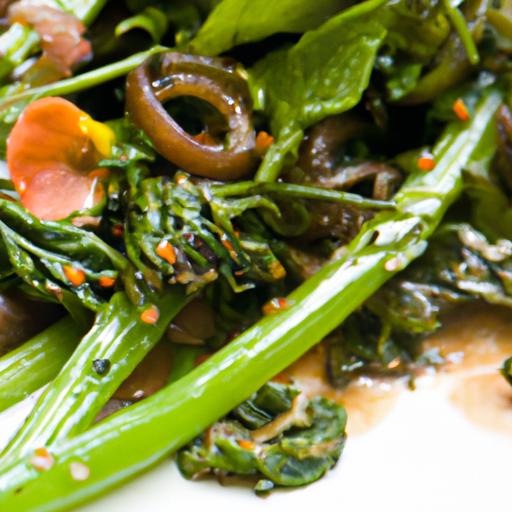


As the earth awakens from its winter slumber, nature offers a fleeting treasure that captures the very essence of spring’s renewal: the fiddlehead fern. These coiled green shoots, resembling the scroll of a violin, burst forth from the forest floor with a delicate, grassy flavor and a tender crunch that whispers of fresh beginnings. In this guide, we’ll explore the art of preparing sautéed fiddlehead ferns-a simple yet elegant way to savor spring’s ephemeral gift. From foraging tips and essential cleaning techniques to flavorful recipes that highlight their unique taste, join us on a culinary journey celebrating one of the season’s most enchanting ingredients.
Harvesting Nature’s Green Gems with Care
Savor spring’s Delight with fresh fiddlehead ferns,nature’s fleeting treasure,harvested just as winter’s hold loosens and new life bursts forth. These curled, vibrant greens carry the crispness of woodland mornings and a subtle earthy sweetness unlike any other spring vegetable. traditionally celebrated in both Indigenous and New england cuisines,fiddleheads embody the essence of renewal and seasonality.
When foraging,gently snap the fragile tips from shaded,moist forest floors or pristine riverbanks,taking only a third of each patch to ensure regrowth year after year. Avoid ferns with brown spots or overly extended uncoiling fronds-these can be bitter or tough. Handle painstakingly to preserve their delicate appearance and tender texture. For sustainable sourcing, consider purchasing from trusted farmers’ markets or specialty organic suppliers that practice regenerative harvesting.
Perfecting the Sauté Technique for Maximum Flavor
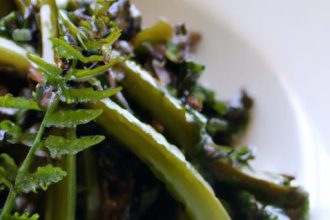
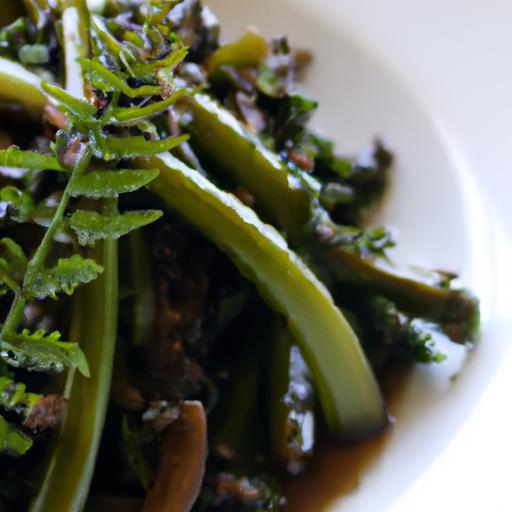
Sautéing fiddlehead ferns is a sublime way to highlight their natural crunch and grassy, slightly nutty flavor. Begin by blanching the ferns in salted boiling water for 2-3 minutes to soften their texture and mellow any bitterness. Immediately plunge them into an ice bath to preserve their vibrant emerald hue and crisp snap.
Heat a generous knob of unsalted butter or extra-virgin olive oil in a wide skillet over medium heat. Add minced garlic and finely diced shallots for an aromatic base. Introduce the drained fiddleheads, spreading them evenly and sautéing without overcrowding. Stir occasionally to coat them in the fragrant oil and encourage even browning. After about 5-7 minutes, they should be tender yet retain a pleasant bite, with lightly golden edges releasing a toasty aroma.
Creative Seasonings and Pairings to Elevate Your Dish
Elevate your sautéed fiddlehead ferns with thoughtful seasoning that celebrates their unique character. A squeeze of fresh lemon juice brightens with lively acidity, while toasted pine nuts or walnuts lend a satisfying crunch and subtle richness. fresh herbs like tarragon, parsley, or chervil complement their grassy notes beautifully.
For a touch of umami depth, sprinkle with toasted sesame seeds or a dash of toasted smoked paprika, avoiding overpowering elements that mask fiddleheads’ delicate flavor. Serve alongside lemon-herb quinoa, grilled wild salmon (or plant-based alternatives), or layered atop warm sourdough crostini with whipped ricotta for an elegant appetizer.
Tips for Sourcing Fresh Fiddlehead Ferns Year After Year
Reliable sourcing ensures you enjoy fiddlehead ferns’ bright freshness season after season. Connect with wild foragers or join local foraging workshops focused on proper identification and sustainable harvesting practices.Many farmers’ markets now offer seasonal fiddleheads during early spring-mark your calendar and inquire about organic or sustainably wild-harvested options.
When buying, always look for tight, coiled tips, a vivid green color, and fresh, crisp stalks. Avoid purchasing fiddleheads sold frozen or with watery packaging as they lose their snap and flavor rapidly. Consider freezing blanched fiddleheads yourself to capture peak freshness if you want to enjoy them beyond spring’s brief window.
Prep and Cook Time
- Preparation: 10 minutes
- blanching: 3 minutes
- Sautéing: 7 minutes
- Total Time: 20 minutes
Yield
Serves 4 as a vibrant side dish or elegant appetizer
Difficulty Level
Easy to Intermediate – perfect for adventurous home cooks new to seasonal greens
Ingredients
- 1 lb fresh fiddlehead ferns, thoroughly rinsed and trimmed
- 1 tablespoon unsalted butter or extra-virgin olive oil
- 2 garlic cloves, finely minced
- 1 small shallot, finely diced
- ½ teaspoon flaky sea salt
- Freshly ground black pepper, to taste
- 1 tablespoon toasted pine nuts or walnuts
- Juice of half a lemon
- Fresh herbs (tarragon, parsley, or chervil), finely chopped, for garnish
Instructions
- bring a large pot of salted water to a rolling boil. Add the fiddlehead ferns and blanch for 2-3 minutes until tender-crisp.
- Remove immediately with a slotted spoon and transfer to an ice water bath to stop cooking and preserve vibrant color. Drain thoroughly.
- Heat the butter or olive oil in a large skillet over medium heat. Add the garlic and shallots, sautéing gently until fragrant and translucent, about 2 minutes.
- Add the drained fiddleheads into the skillet in a single layer. Sauté, stirring occasionally, for 5-7 minutes, allowing the edges to turn lightly golden and develop a subtle caramelization.
- Season with flaky sea salt and freshly ground black pepper. Remove from heat and drizzle with lemon juice.
- Transfer to a serving dish and sprinkle toasted pine nuts and fresh herbs over the top for brightness, texture, and color contrast.
Chef’s Notes
- blanching is essential to remove slight bitterness and neutralize any potential toxins; never skip this step.
- For a vegan option, substitute butter with a rich olive oil or avocado oil.
- Try swapping pine nuts for toasted pumpkin seeds for an earthier crunch.
- Fiddleheads can be prepped ahead of time-blanch, cool, and store in airtight containers for up to 24 hours before sautéing.
- If your fiddleheads taste overly bitter, reduce blanching time slightly, but ensure they are cooked through for safety.
Serving Suggestions
Serve sautéed fiddlehead ferns warm as a stunning spring accompaniment. Pair with hearty grains such as wild rice or farro, or alongside grilled white fish or roasted root vegetables for a complete, seasonal meal.Garnish with a light dusting of lemon zest or microgreens for added freshness and visual appeal. For an elegant starter, place on toasted crostini spread with soft cheese like whipped goat cheese or whipped ricotta, garnished with a pinch of smoked sea salt.
| Nutrient | Per Serving |
|---|---|
| Calories | 75 |
| Protein | 3 g |
| Carbohydrates | 8 g |
| Fat | 5 g |

For more inspiration on cooking with seasonal greens, check out our Guide to Spring Greens. To learn about the health benefits and safe identification of fiddlehead ferns, visit USDA Fiddlehead Safety Guide.
Q&A
Q&A: Savor Spring’s Delight - A Guide to Sautéed Fiddlehead Ferns
Q1: What exactly are fiddlehead ferns, and why are they considered a spring delicacy?
A1: Fiddlehead ferns are the young, coiled fronds of certain fern species, typically harvested in early spring before they unfurl. Their unique spiral shape resembles the scroll of a violin-or fiddle-hence the name. Celebrated for their tender texture and subtle,earthy flavor,fiddleheads embody the fresh vitality of spring and have been a seasonal treasure in many culinary traditions.
Q2: how do fiddlehead ferns taste, and what makes sautéing a great preparation method?
A2: Fiddleheads offer a delicate flavor profile that is subtly grassy with hints of asparagus and green beans, coupled with a satisfying crunch. Sautéing is a fantastic way to highlight their natural freshness. it quickly cooks the fiddleheads, preserving their vibrant color and crunchy texture while allowing them to soak up complementary seasonings and aromatics for a balanced dish.Q3: Are there any crucial safety tips for preparing fiddlehead ferns?
A3: Yes! Raw fiddleheads contain natural compounds that can cause stomach upset if not properly prepared. It’s essential to thoroughly clean them, removing any brown papery husk, then boil or steam for at least 10-15 minutes before sautéing. This ensures they are safe to eat and helps mellow their earthy notes.
Q4: What kind of ingredients pair best with sautéed fiddlehead ferns?
A4: Sautéed fiddleheads shine when paired with bright, fresh ingredients like lemon zest, garlic, shallots, and fresh herbs such as parsley or chives. A touch of butter or olive oil enhances their richness, while toasted nuts like almonds or hazelnuts add a pleasant crunch. Earthy mushrooms or a sprinkle of aged cheese can also deepen the flavor profile without overwhelming their delicate taste.
Q5: Can fiddlehead ferns be incorporated into dishes beyond a simple sauté?
A5: Absolutely! While sautéed fiddleheads are delightful on their own, they also make a fantastic addition to spring salads, pasta, or grain bowls. Toss them with quinoa, farro, or rice for a fresh, seasonal twist. They also pair beautifully with soft scrambled eggs or blend seamlessly into savory tarts and frittatas, bringing a touch of the forest floor to your spring cooking.
Q6: Where and when can I find fiddlehead ferns at their best?
A6: Fiddleheads are truly a fleeting spring treasure, typically available from late March to early June, depending on your region. Look for tightly coiled, vibrant green fiddleheads with no browning or excessive moisture. Farmers’ markets, specialty grocers, or foraging (with proper knowlege) are great sources. Remember, fresh is best-so enjoy them promptly or freeze after blanching to preserve their flavor.
Q7: What makes fiddlehead ferns nutritionally interesting?
A7: Beyond their unique flavor and texture, fiddlehead ferns are a nutritional boon. They are low in calories but rich in antioxidants, fiber, vitamins A and C, and essential minerals like potassium and iron-making them a wholesome, springtime treat that nourishes as much as it delights.
Q8: Can I use frozen fiddleheads, and how does the preparation differ?
A8: Yes, frozen fiddleheads are a convenient choice, especially when fresh ones are out of season. They are typically pre-washed and blanched before freezing, so you can skip the initial boiling step and go straight to sautéing after thawing. Keep in mind that the texture might potentially be slightly softer than fresh, but their vibrant flavor remains a splendid way to celebrate spring any time.
The Conclusion
As spring’s fleeting embrace gifts us with the vibrant fiddlehead fern, sautéing these delicate greens transforms them from wild harvest to culinary treasure. With their unique texture and subtly nutty flavor, fiddleheads invite both novice and seasoned cooks to explore nature’s seasonal bounty in a fresh, invigorating way. Whether enjoyed simply with a touch of butter and garlic or paired with bold herbs and spices, these verdant coils remind us that the best flavors are often found in the most unexpected places. So next spring, when fiddleheads appear, let your skillet be the gateway to savoring the season’s delight-one sauté at a time.