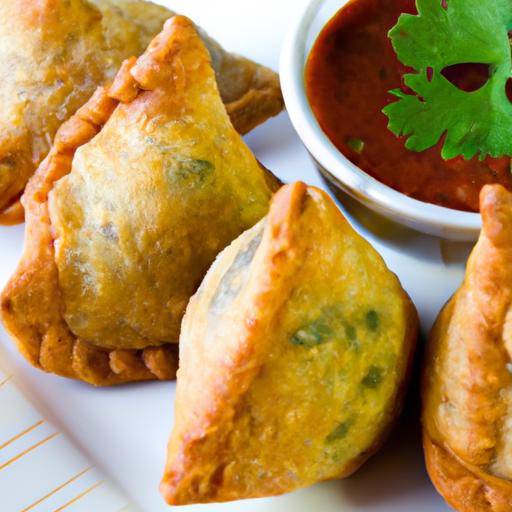
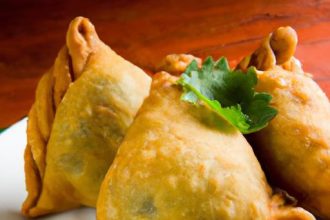

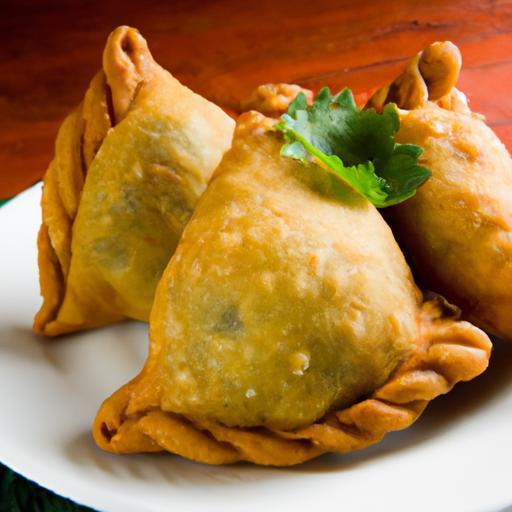
ThereS something undeniably magical about a samosa-the way its golden, crispy exterior crackles under your fingers, giving way to a warm, fragrant treasure of spiced potatoes, peas, and sometiems meat nestled inside. More than just a popular snack, the samosa is a culinary storyteller, wrapped in layers of history and culture that span centuries and continents. In “Samosa secrets: Crispy Delight Wrapped in Spiced Tradition,” we peel back the flaky layers of this beloved pastry to uncover the origins, regional variations, and time-honored techniques that make the samosa a timeless symbol of savory indulgence. Join us as we explore the secrets behind its irresistible crunch and the aromatic spices that have captivated taste buds around the world.
samosa Secrets: Crispy Delight Wrapped in Spiced tradition
Samosa Secrets unlock the timeless charm of this iconic snack whose roots trace back centuries, weaving tales from Central Asia through the indian subcontinent. Each crispy triangle carries not only layers of spiced filling encased in flaky dough but centuries of culture and shared moments, be it street corners bustling with chatter or festive gatherings. As a culinary creator who has journeyed through myriad kitchens, I find that mastering these delightful parcels demystifies a culinary tradition beloved worldwide.
Prep and Cook Time
- preparation: 40 minutes
- Resting Dough: 30 minutes
- Cooking: 25 minutes
- Total Time: Approximately 1 hour 35 minutes
Yield
Makes about 20 medium-sized samosas-perfect for sharing at gatherings or savoring over a few days.
Difficulty Level
Medium - Ideal for cooks who are ready to explore dough-making and spice blending, with room to master frying technique.
Ingredients
- For the Dough:
- 2 cups all-purpose flour, sifted
- 4 tbsp vegetable oil or melted ghee
- 1/2 tsp salt
- 1/2 cup cold water (adjust as needed)
- For the Filling:
- 3 medium potatoes, boiled and diced
- 1/2 cup green peas, fresh or frozen
- 1 tbsp oil
- 1 tsp cumin seeds
- 1 tsp mustard seeds
- 1 small onion, finely chopped
- 2 green chilies, finely chopped
- 1 tsp ginger paste
- 1 tsp garam masala
- 1/2 tsp turmeric powder
- 1 tsp coriander powder
- 1/2 tsp amchur (dry mango powder)
- Salt to taste
- Fresh cilantro, chopped (optional)
- For Frying:
- Vegetable oil, for deep frying
Instructions
- Prepare the dough: In a large bowl, combine the sifted flour and salt. Add oil and rub it into the flour untill crumbly.
- Add cold water gradually, kneading gently until a smooth, firm dough forms. Cover and let it rest for 30 minutes for elasticity, essential for crisp samosas.
- Make the filling: Heat oil in a pan over medium heat. Add cumin and mustard seeds; once they pop, add onions and sauté until golden brown.
- Stir in ginger paste and green chilies, cooking for 1 minute until fragrant.
- add potatoes, peas, turmeric, coriander powder, garam masala, and salt. Mix thoroughly, cooking for 5 minutes until all spices are absorbed. Sprinkle amchur powder and cilantro; stir and remove from heat.
- Divide the dough into equal lemon-sized balls. Roll each into an 8-inch circle, then cut into two semi-circles.
- Form a cone with each semi-circle,sealing edges with a water brush. Fill generously with the prepared stuffing, and seal the top edge carefully.
- Heat oil in a deep pan to 350°F (175°C). Fry samosas in batches,turning gently,until golden and crispy,about 4-6 minutes. Avoid overcrowding to maintain oil temperature.
- Drain on paper towels. Serve hot with tamarind chutney or mint yogurt dip.
Expert Tips for Frying and Serving Samosas Like a Pro
- Oil Temperature Matters: Use a thermometer for precise frying. Too hot, and samosas brown without cooking inside; too cool, and they absorb excess oil.
- Dough Resting is Key: Allow enough resting time for elasticity,which ensures cracking-free shaping and ultimate crispiness.
- Filling Texture: Avoid overly moist fillings to prevent soggy samosas. Freshly boiled and well-drained potatoes work best.
- Storage Tip: Assemble samosas and freeze on a baking sheet before transferring to bags. Fry straight from frozen for convenience and freshness.
serving Suggestions
Present these samosas on a vibrant platter garnished with finely chopped cilantro and freshly sliced green chilies. Pair them with classic mint-coriander chutney, tangy tamarind sauce, or cooling yogurt raita. For a festive touch, sprinkle recently toasted sesame seeds atop before serving. These bites lend themselves beautifully to both casual teas and celebratory spreads, promising a crispy, flavorful journey in every mouthful.
| Nutrient | Per Samosa |
|---|---|
| Calories | 145 kcal |
| Protein | 3 g |
| Carbohydrates | 20 g |
| Fat | 6 g |

Explore more about complementary Indian appetizers in our Indian Street Food Favorites collection, and deepen your culinary inspiration through this detailed Britannica article on samosas.
Q&A
Q&A: Samosa Secrets – Crispy Delight Wrapped in Spiced Tradition
Q1: What makes a samosa truly authentic and crispy?
A1: The magic of an authentic samosa lies in its delicate, flaky pastry and the perfect balance of spices in its filling. Traditionally, the dough is made from all-purpose flour, water, a pinch of salt, and a touch of oil or ghee for that golden, crisp texture. The secret to crispiness is letting the dough rest and rolling it out evenly before frying in hot oil, which seals in the crunch.
Q2: What are the classic fillings inside a samosa?
A2: The classic samosa filling is a medley of spiced potatoes, green peas, and sometimes onions, infused with cumin, coriander, garam masala, and ginger. These spices create a warm, inviting flavor that complements the crispy shell. variations include lentils, mixed vegetables, or even paneer, each bringing their own unique flair.
Q3: How do regional variations influence samosa recipes?
A3: Across South Asia and beyond, samosas adapt to local tastes and ingredients.In North India, the potato and pea filling is prevalent, while in places like Bengal, you might find samosas stuffed with minced lamb (substituting with chicken or vegetables for non-meat eaters).In East Africa and parts of the Middle East, spiced beef or chicken fill the pockets. Each region’s spices and fillings tell a story of cultural fusion wrapped in crispy pockets.
Q4: Can samosas be baked rather of fried? Will they still be crispy?
A4: Absolutely! Baking samosas is a healthier choice and can yield surprisingly crispy results if done with care. brushing the pastry lightly with oil or ghee before baking helps achieve that golden crunch. Using a hot oven (around 375°F or 190°C) and turning halfway through baking ensures even crispiness.
Q5: What are some essential tips for perfect samosa folding?
A5: folding samosas is an art! Start with a well-rested dough rolled into thin circles. cut the circle in half, form a cone with the straight edge, seal it with a little water, and then fill it just enough to avoid bursting. Carefully pinch and seal the open edges tightly, preventing any leaks during frying. Practicing this technique turns it into a satisfying ritual, key to the samosa’s signature shape.
Q6: Which side sauces or chutneys best complement samosas?
A6: Samosas sing when paired with vibrant chutneys! Tamarind chutney adds tangy sweetness, while mint-coriander chutney offers refreshing zest. for a bit of heat, a spicy red chili chutney or a dollop of yogurt with cumin and chaat masala balances the flavors beautifully. Each dip elevates the experience, turning every bite into a symphony of tastes.
Q7: Are samosas strictly a savory snack, or can they be sweet too?
A7: While traditionally savory, sweet samosas are a delightful twist on this classic. Fillings like spiced coconut, jaggery with nuts, or sweetened khoya offer a dessert variation that’s equally crispy and captivating. This shows the samosa’s incredible versatility across sweet and savory spectrums.
Q8: How can one store and reheat samosas to keep them crispy?
A8: To preserve samosa crispness, store them in an airtight container once fully cooled. When reheating, avoid the microwave as it can soften the pastry; instead, use a hot oven or toaster oven to revive the crunch-just 5 to 7 minutes at 350°F (175°C) usually does the trick!
Embrace these secrets and elevate your samosa-making from simple snack to spiced tradition, celebrating every crispy bite!
Insights and Conclusions
As the golden crescent of a perfectly fried samosa disappears with a satisfying crunch, it’s clear that this humble snack carries more than just vibrant flavors-it holds centuries of tradition wrapped in every crispy fold. From its rich spice blends to the meticulous art of folding,the samosa is a testament to culinary heritage that continues to delight taste buds across the world. Whether enjoyed on bustling streets or at a festive gathering, these crispy pockets of spiced delight invite us to savor not just a snack, but a story-a secret recipe passed down through generations, reminding us that sometimes, the simplest bites carry the richest legacies. So next time you indulge in a samosa, remember: you’re partaking in a delicious journey steeped in history, culture, and timeless flavor.