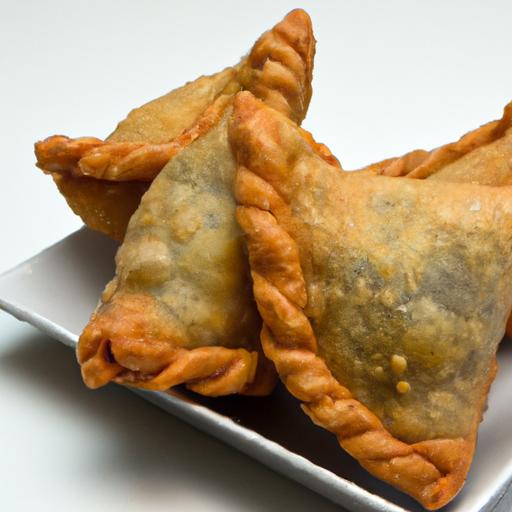



Hidden within the folds of a golden, crispy triangle lies a story as rich and layered as the spices that fill it. The samosa, a beloved snack savored from bustling street markets to elegant tea-time gatherings, is far more than just a tasty treat-it’s a culinary journey through history and culture. ”Samosa Secrets: Crispy Delight with Flavorful History” invites you to uncover the origins, evolution, and enchanting traditions behind this iconic pastry. From its ancient roots to modern-day adaptations, join us as we peel back the layers of this crispy delight, revealing the secrets that have made the samosa a timeless symbol of comfort and flavor across the world.
samosa Secrets: Crispy Delight with Flavorful History
samosa secrets unlock a captivating culinary journey that blends history and technique into one irresistible crispy delight. This triangular pastry, beloved worldwide, originated centuries ago in the Middle East and traveled through the spice routes, evolving into countless regional variations. From bustling Indian street stalls to elegant tea-time gatherings, samosas carry a story in every crunchy bite, and mastering their art reveals both patience and passion in the kitchen.
Origins and Evolution: The Journey of the Crispy Delight
The humble samosa traces its roots to the 10th-century Middle Eastern dish called “sambusa.” Originally filled with spiced meat and nuts, it journeyed through persian courts before reaching the Indian subcontinent, where it adopted vegetarian fillings and spices native to the region. North and South India, Pakistan, and even East African coastal cuisines embraced the samosa, each culture imprinting its own flavors: tangy tamarind chutneys, fiery green chilies, or zesty chaat masalas. Contemporary interpretations now involve fusion fillings-from creamy cheese and spinach to lentils infused with herbs-demonstrating samosa secrets’ dynamic evolution across cultures.
Prep and Cook Time
- Readiness: 30 minutes
- Cooking: 20 minutes
- Total Time: 50 minutes
yield
Serves 8 (approx. 16 medium samosas)
Difficulty level
Medium – ideal for cooks ready to elevate their frying and folding skills while exploring customary techniques.
Ingredients
- For the Dough:
- 2 cups all-purpose flour, sifted
- ¼ cup vegetable oil or ghee
- ½ teaspoon salt
- ¾ cup lukewarm water (adjust as needed)
- For the classic Potato-Pea Filling:
- 3 medium potatoes, boiled and mashed
- 1 cup green peas, boiled
- 2 tablespoons vegetable oil
- 1 teaspoon cumin seeds
- 1 teaspoon mustard seeds
- 1 tablespoon finely chopped ginger
- 2 green chilies, minced (optional)
- ½ teaspoon turmeric powder
- 1 teaspoon garam masala
- 1 teaspoon ground coriander
- Salt to taste
- Fresh coriander leaves, chopped (2 tablespoons)
- 1 teaspoon lemon juice
- for Frying:
- Vegetable oil, enough for deep frying
Step-by-Step Instructions to Master the Crispy Delight
- Prepare the Dough: Combine the flour, salt, and oil in a large bowl. Rub with fingertips until mixture resembles breadcrumbs. Gradually add lukewarm water,stirring and kneading into a firm,smooth dough. Cover with a damp cloth and set aside for 30 minutes.
- Make the Filling: Heat oil in a pan over medium heat. Add cumin and mustard seeds; once they crackle, add ginger and green chilies. Sauté for 1-2 minutes until fragrant.
- Spice it Up: Add turmeric, coriander, and garam masala. Stir well, then add the mashed potatoes and peas. Mix thoroughly, adjusting salt and spices to taste. Cook for 5 minutes, stirring occasionally. Finish with chopped coriander and lemon juice. Cool entirely before filling.
- Shape the Samosas: Divide dough into equal lemon-sized balls. Roll each into a thin oval or circle (about 6-7 inches in diameter).Cut in half, forming two semi-circles.
- Form Pockets: Take one semi-circle,fold it into a cone shape,sealing the edge with water. Fill the cone with 2 tablespoons of filling. Moisten the open edge and press firmly to seal,creating a triangular pocket. Repeat with remaining dough and filling.
- Fry to Crispy Perfection: Heat oil in a deep pan to 350°F (175°C). Fry samosas in batches, turning frequently until golden brown and crispy, about 4-5 minutes. Use a slotted spoon to drain on paper towels.
- Serve warm: Present the crispy delight with vibrant chutneys or dips.
Tips for Success: Unlocking samosa Secrets
- Dough consistency: Aim for a firm dough-too soft will lead to soggy samosas. Allow resting time to relax gluten for easier rolling.
- Filling Variations: Experiment with spiced lentils, minced chicken, or paneer and spinach for innovative takes without sacrificing authenticity.
- Sealing Technique: Proper sealing prevents oil seepage and bursting. Use enough water as ”glue” and pinch edges tightly.
- Oil Temperature: Maintain medium heat; too hot browns exterior quickly but leaves raw inside, too cool absorbs excess oil.
- Make-Ahead: Prepare filling and dough a day before. Wrap dough tightly to prevent drying; refrigerate filling in an airtight container.
Serving Suggestions: Elevate your Crispy Delight
For an unforgettable experience, serve samosas with a vibrant mint-cilantro chutney, a sweet tamarind sauce, and a cooling yogurt raita. Garnish with a sprinkle of chaat masala and freshly chopped coriander leaves to enhance aromatic complexity. Arrange on a rustic wooden platter with lemon wedges, offering guests a symphony of flavors and textures. pair with a steaming cup of masala chai or your favorite spiced tea to complete the traditional ambiance.

| Nutrient | Per Serving (2 samosas) |
|---|---|
| Calories | 280 kcal |
| Protein | 6 g |
| Carbohydrates | 35 g |
| Fat | 12 g |
Discover more on perfect dough techniques for savory pastries in our comprehensive pastry dough guide. To explore the captivating history of global fried snacks, the Encyclopedia Britannica samosa article offers expertly curated insights.
Q&A
Q&A: Samosa Secrets - Crispy Delight with Flavorful History
Q1: What exactly is a samosa?
A1: A samosa is a golden, crispy pastry pocket traditionally filled with a mixture of spiced potatoes, peas, lentils, or sometimes minced meats or vegetables. It’s a popular snack enjoyed across South Asia, the Middle East, and beyond-a perfect harmony of crunch and flavorful filling.
Q2: Where did the samosa originate?
A2: The samosa’s journey begins in the ancient kitchens of the Middle East and Central Asia, where it was known as “sambosa” or “sanbusak.” Traders brought this delectable treat to the Indian subcontinent around the 13th or 14th century, where it evolved into the beloved snack we know today.
Q3: What makes samosas so irresistibly crispy?
A3: The secret lies in the dough and the frying technique. Samosa wrappers are traditionally made with all-purpose flour and a pinch of oil or ghee to create a sturdy yet flaky shell. Frying in hot oil ensures a golden crispness that shatters delightfully with each bite.
Q4: Are samosas always fried? Can they be baked?
A4: While deep-frying is the classic method to achieve that signature crunch,baked samosas have gained popularity as a lighter option. Baking results in a firmer texture but can still deliver plenty of flavor with the right seasoning and a brush of oil or butter on the pastry.
Q5: What are popular fillings used in samosas?
A5: The classic filling is a spicy mix of mashed potatoes, green peas, cumin seeds, garam masala, chilies, and fresh herbs like cilantro. Variations include lentils, chickpeas, paneer, and minced lamb or chicken spiced with regional blends.Each variation reflects local tastes, making samosas wonderfully versatile.
Q6: How do samosas reflect cultural fusion?
A6: Samosas are culinary ambassadors, carrying the tastes of various regions in their folds. as they traveled from Central Asia to India and beyond, local ingredients and spices were incorporated, turning samosas into a canvas showcasing cultural fusion-from the tangy tamarind chutney of Gujarat to the fragrant coriander mint dips of Punjab.
Q7: What are some traditional accompaniments served with samosas?
A7: Samosas are often paired with vibrant chutneys like sweet tamarind, mint-coriander, or spicy red chili sauce. Thes dips complement the samosa’s flavors by balancing richness with tang and heat, creating a multi-dimensional snacking experience.
Q8: Can samosas be enjoyed at any time of day?
A8: Absolutely! Samosas are delightfully versatile-ideal for breakfast, a mid-day snack, or evening tea-time. They’re also a popular street food, festive appetizer, and party favorite thanks to their portability and satisfying crunch.
Q9: What tips can help home cooks perfect their samosas?
A9: Key tips include using cold water and resting the dough to achieve a supple yet firm texture, ensuring the filling is cool before stuffing to prevent sogginess, and maintaining the oil at the right temperature to cook samosas evenly. Patience and practice transform the cooking process into an art form.
Q10: Why do samosas continue to captivate the taste buds worldwide?
A10: Samosas offer a perfect symphony of textures and flavors-crispy, savory, spiced, and comforting. Their portability and diversity invite endless creativity, allowing people from myriad cultures to adopt, adapt, and celebrate this centuries-old delicacy in their own way. It’s a timeless delight with a global heart.
The Conclusion
As the golden, crispy layers of a perfectly crafted samosa reveal their savory secrets, we come to appreciate not just a beloved snack, but a culinary journey steeped in history and culture. From bustling street corners to festive celebrations, the samosa is more than a delightful treat-it is indeed a testament to the rich tapestry of flavors and traditions that have traveled across continents and generations. So next time you savor that crisp bite, remember the stories folded within its dough, celebrating a timeless delight that continues to bring people together, one flavorful crunch at a time.