


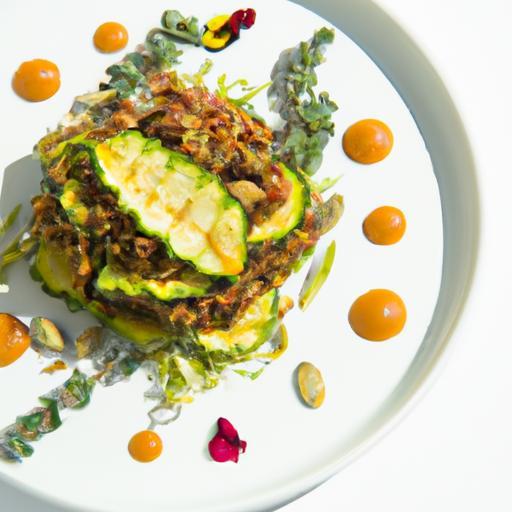
Beneath the earth’s surface lies an often-overlooked treasure: vibrant, hearty root vegetables bursting with earth’s purest flavors. When roasted to perfection, these humble roots undergo a transformative alchemy, revealing complex layers of sweetness, caramelization, and depth that raw or boiled counterparts can seldom achieve.”Root Revival: The Art and Science of Roasted Veggies” dives into this culinary renaissance, exploring how simple heat and time coax out nature’s hidden gems. From selecting the right roots to mastering roasting techniques, this guide celebrates the delicious synergy between tradition and modern food science-inviting you to rediscover vegetables in their most soulful, savory form.
Root Revival begins with a deep thankfulness of the Maillard reaction-a culinary marvel that transforms ordinary root vegetables into a symphony of rich, caramelized flavors and irresistible textures. the science behind roasting doesn’t just unlock taste; it elevates humble roots into golden treasures with crispy edges and tender, buttery interiors, dancing on your palate with every bite. Root vegetables like parsnips, carrots, beets, and sweet potatoes each contribute their unique sweetness and earthiness, making the right selection crucial for a perfectly balanced dish.
Prep and Cook Time
- Readiness: 15 minutes
- Cooking: 40-45 minutes
- Total: 55-60 minutes
Yield
Serves 4 as a hearty side dish
Difficulty Level
Easy
Ingredients
- 2 cups peeled and chopped carrots (about 3 medium)
- 2 cups peeled and cubed sweet potatoes (1 large)
- 1 ½ cups peeled and diced parsnips (2 medium)
- 1 cup peeled and cubed golden beets
- 3 tbsp extra virgin olive oil
- 1 tsp fine sea salt
- ½ tsp freshly ground black pepper
- 1 tsp garlic powder
- 1 tbsp fresh rosemary,finely chopped
- 1 tbsp fresh thyme leaves
- 1 tbsp balsamic glaze (optional,for finishing)
Instructions
- Preheat your oven to 425°F (220°C). Ensure your oven rack is positioned in the middle for even heat circulation.
- Prepare all root vegetables by peeling and chopping into uniform 1-inch cubes to ensure consistent roasting.
- Toss the vegetables in a large mixing bowl with extra virgin olive oil, salt, black pepper, garlic powder, rosemary, and thyme. Coat them thoroughly; this evenly distributed oil enhances the Maillard reaction and prevents steaming.
- Spread the vegetables in a single layer on a rimmed baking sheet lined with parchment paper or a silicon mat. Avoid overcrowding; leave space to ensure steam escapes and edges crisp perfectly.
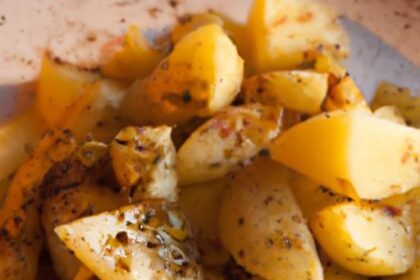
- Roast for 40-45 minutes,flipping the vegetables with a spatula halfway through. Look for golden, slightly charred edges that signal the Maillard reaction is in full swing-crisp outside, tender inside.
- Remove from the oven when vegetables are fork-tender and irresistibly caramelized. If desired, drizzle with balsamic glaze to add a touch of tangy sweetness that contrasts beautifully with the roasted earthiness.
- Serve warm as a vibrant, comforting side, garnished with fresh thyme sprigs or a sprinkle of coarse sea salt for a final burst of flavor.
Tips for Success
- Choose firm, fresh root vegetables with minimal blemishes to guarantee the best texture and flavor.
- Cut evenly: Unequal pieces result in uneven cooking-smaller pieces dry out while larger ones remain undercooked.
- Don’t crowd the pan: Ensure enough room for moisture to evaporate; crowded pans steam veggies, preventing crisp edges.
- Use high-quality olive oil: Adds richness and helps develop the golden crust critical to the Maillard effect.
- Roast hot and steady: A hot oven is essential to trigger Maillard browning. Avoid lowering the temperature for longer cooking.
- Variations: Swap herbs like sage or oregano for a twist. Add a squeeze of fresh lemon juice after roasting to brighten flavors.
- Make-ahead: Roast veggies can be cooled and refrigerated, then reheated in a hot oven for 8-10 minutes to regain crispness.
Serving Suggestions
These roasted root vegetables shine as a side to roasted chicken, lentil stews, or grilled fish. For a plant-based meal, layer them over wild rice or quinoa bowls, drizzled with tahini or a lemon-garlic dressing.Garnish with toasted pumpkin seeds or a scattering of pomegranate arils for an inviting contrast in texture and color. The golden hues and aromatic herbs make it a plate as beautiful as it is flavorful-perfect for elevating weeknight dinners or holiday feasts alike.

| Nutrient | per Serving |
|---|---|
| Calories | 180 kcal |
| Protein | 3 g |
| Carbohydrates | 30 g |
| Fat | 7 g |
For further inspiration on elevating roasted vegetables, check out our Ultimate Guide to Roasting Vegetables. To deepen your understanding of the Maillard reaction’s culinary science, this ScienceDaily article offers interesting insights.
Q&A
Q&A: Root Revival – The Art and Science of Roasted Veggies
Q1: What makes roasting root vegetables such a transformative cooking method?
A1: Roasting is like a magical alchemy for root vegetables. Through dry heat and caramelization, the natural sugars within turn golden and deepen in flavor, creating a sweet, earthy complexity you don’t get from boiling or steaming. The exterior crisps up beautifully while the inside becomes tender and silky-a perfect marriage of texture and taste.
Q2: Which root vegetables are best suited for roasting?
A2: The root family is vast and versatile. Classic favorites include carrots, beets, sweet potatoes, parsnips, and turnips. but don’t overlook lesser-known roots like celeriac, Jerusalem artichoke, or rutabaga. Each brings its own unique sweetness and texture, rewarding adventurous roasters with exciting new flavors.
Q3: How crucial is cutting size and shape when roasting roots?
A3: Precision matters! Uniformity ensures even cooking, so chop your roots into pieces of similar size. Larger chunks roast slower and stay heartier, while smaller cuts caramelize more and crisp up faster.Think of your knife skills as the brushstrokes on your culinary canvas-each shape influences the final masterpiece.
Q4: What role does seasoning play in roasting root vegetables?
A4: Seasoning is the secret to unlocking the full potential of roasted roots. A simple sprinkle of sea salt and freshly cracked pepper can enhance natural flavors, but herbs like rosemary, thyme, or sage add aromatic depth. Spices such as smoked paprika or cumin introduce warmth and intrigue. Don’t shy away from a drizzle of quality olive oil-it encourages caramelization and adds luscious richness.
Q5: Can roasting root veggies be a healthy cooking choice?
A5: Absolutely! Roasting preserves most of the nutrients as there’s no water to leach vitamins away, and minimal oil is needed. Root vegetables offer ample fiber, antioxidants, and complex carbohydrates, making roasted roots a hearty, nourishing side or even a main event with the right accompaniments.
Q6: How can I experiment with roasted root vegetables beyond just serving them as a side dish?
A6: Roasted roots are incredibly versatile. Toss them into grain bowls or salads for a flavor and texture boost. Blend them into warming soups or mash them for creamy spreads. Combine with legumes or greens to create satisfying vegetarian dishes. Their caramelized sweetness pairs wonderfully with tangy dressings, nutty seeds, and fresh herbs for endless culinary creativity.
Q7: Any insider tips for perfect roasting results every time?
A7: Start with a hot oven-around 400°F (200°C) is ideal. Use a sturdy baking sheet in a single layer to avoid steaming. don’t overcrowd your pan; air circulation ensures crisp edges. Midway through roasting, turn the veggies to brown evenly.And most importantly: trust your senses-look for that enticing golden hue and irresistible aroma as your guide.
Q8: What’s happening scientifically during roasting that creates such luscious flavors?
A8: The key is the maillard reaction, a complex chemical dance between amino acids and sugars that occurs under heat. This reaction forms hundreds of new flavor compounds, delivering those toasty, nutty, and sweet notes we crave. Alongside caramelization of sugars, it’s the scientific backbone of that addictively delicious roasted root veggie bite.
Feel inspired? Next time you dive into the kitchen, grab those humble roots, embrace the roasting ritual, and celebrate the earthy art and science behind every golden, tender bite. Root revival awaits!
Insights and Conclusions
As the final caramelized edges of roasted root vegetables come into view, it’s clear that this humble cooking method is anything but ordinary.Root Revival isn’t just about transforming simple veggies into golden, flavorful treasures-it’s a party of nature’s underground bounty, enhanced by the precise dance of heat and time. whether you’re a seasoned chef or a curious home cook, embracing the art and science of roasting roots invites you to unlock layers of taste, texture, and nutrition that frequently enough go unnoticed. So next time you reach for that parsnip or beet, remember: the magic lies beneath the surface, waiting patiently to be awakened by the gentle kiss of the oven. Your palate-and your health-will thank you.