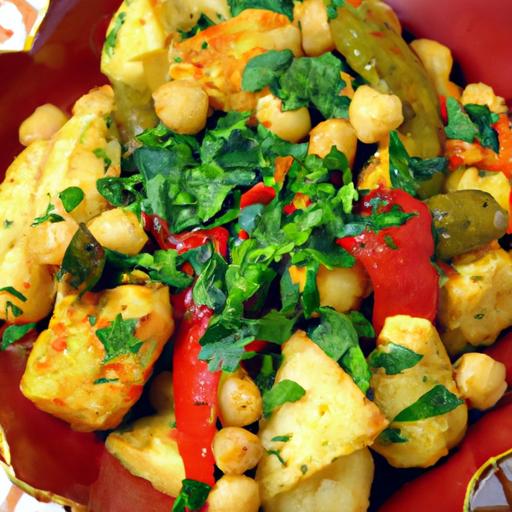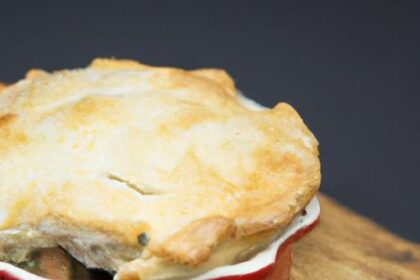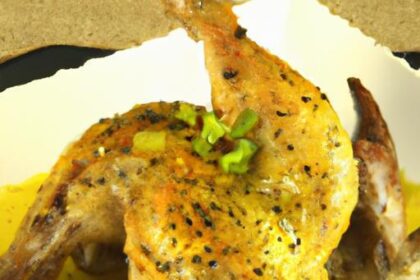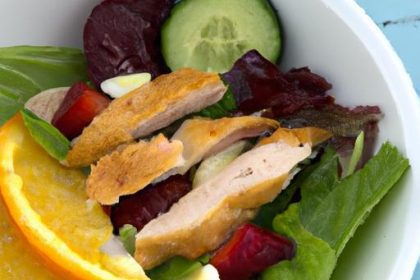

In the vibrant tapestry of Moroccan cuisine, few dishes capture the heart and soul of tradition quite like Rfissa. Often reserved for special occasions and family gatherings, this aromatic feast is more than just a meal-it’s a culinary story steeped in history, culture, and comforting flavors. From the tender, spiced chicken nestled atop a bed of flaky msemen bread to the rich, slow-cooked lentils and fragrant ras el hanout, Rfissa offers a sensory journey through Morocco’s rich heritage. Join us as we unveil the secrets behind this beloved dish, exploring its origins, ingredients, and the warm hospitality it embodies, inviting you to savor every bite of this flavorful Moroccan feast.
Rfissa Unveiled: This Moroccan culinary treasure, with its rich history and soul-warming flavors, invites you to experience a dish that resonates deeply within Moroccan families and celebrations. Originating from the rural regions of Morocco, Rfissa is traditionally prepared to honor major life events and is renowned for its comforting aroma and hearty composition that beautifully melds spices, tender chicken, and a unique bread called trid.
Prep and Cook Time
- Readiness: 30 minutes
- Cooking: 1 hour 15 minutes
- Total Time: 1 hour 45 minutes
Yield
Serves 6 generous portions
Difficulty Level
Medium – ideal for cooks pleasant with layered Moroccan spices and multi-step preparations
Ingredients
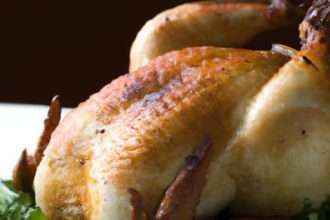
- 1 whole chicken (about 3.5 lbs), cut into pieces
- 2 large onions, finely sliced
- 4 cloves garlic, minced
- 1 cup lentils, rinsed
- 1 tablespoon ras el hanout (Moroccan spice blend)
- 1 teaspoon ground turmeric
- 1 teaspoon ground ginger
- 1 teaspoon smoked paprika
- 1 teaspoon saffron threads, soaked in 2 tablespoons warm water
- 1/4 cup olive oil
- 3 cups chicken broth
- Salt and freshly ground black pepper, to taste
- 2 tablespoons fenugreek seeds (soaked overnight and drained)
- Fresh cilantro and parsley, chopped, for garnish
- Trid (Moroccan thin crepe bread) or substitute with thin, soft flatbread
Instructions
- Prepare the spice base: In a large pot, heat olive oil over medium heat. Add the sliced onions and sauté until golden and translucent, about 8 minutes. Add the garlic, ras el hanout, turmeric, ginger, smoked paprika, and soaked saffron with its water, stirring constantly to toast the spices gently for 2 minutes, releasing their aroma.
- Add the chicken pieces: Nestle them into the pot and sear each side until lightly browned, about 5 minutes.Season with salt and pepper.
- Incorporate lentils and fenugreek: Pour in the rinsed lentils and soaked fenugreek seeds, stirring to combine with the spice mixture and chicken.
- Pour chicken broth: Add 3 cups of broth, ensuring the chicken is mostly submerged. Increase the heat to bring the pot to a gentle boil, then reduce to low, cover, and simmer for 45-50 minutes until chicken and lentils are tender.
- Prepare the trid (or flatbread): While the chicken cooks, warm and tear the trid into bite-sized pieces. Layer this bread on a large serving platter to soak up the flavorful broth later.
- Assemble the dish: Once the chicken is cooked, carefully arrange the pieces over the bread layers. Using a ladle, generously pour the aromatic broth, onions, lentils, and fenugreek all over the bread, allowing it to become delightfully juicy and fragrant.
- Garnish: Sprinkle the chopped cilantro and parsley atop the dish for fresh herbaceous notes and vibrant color.
Chef’s Notes and Tips for Success
- Fenugreek Magic: Soaking the fenugreek seeds overnight is essential to soften their texture and mellow their slightly bitter edge, enhancing Rfissa’s signature warming flavor.
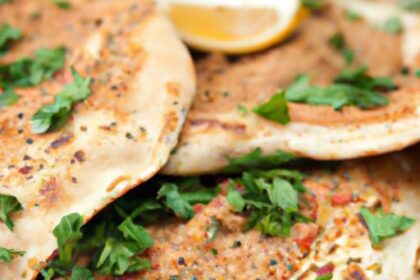
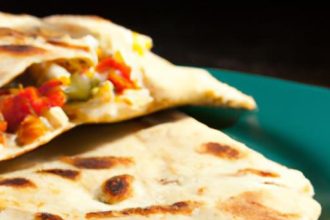
- Bread Selection: Traditional trid bread is ideal for soaking up juices, but if unavailable, use thin Moroccan msemen or even soft lavash as a substitute.
- Softer Lentils: For a creamier texture, use red lentils in place of green or brown lentils. Adjust cooking time accordingly to prevent disintegration.
- Make Ahead: The dish tastes even better the next day, as the flavors continue to meld. Reheat gently on the stovetop, adding extra broth if drying out.
- Spice Variations: Ras el hanout blends vary by region; feel free to experiment with your favorite spice mixes but maintain the delicate balance between warmth and earthiness.
Serving Suggestions to Elevate Your Moroccan Feast
To honor the traditional Moroccan experience, serve Rfissa family-style on a large communal platter, encouraging guests to use their right hand or flatbread as utensils. Accompany the dish with refreshing sides such as Moroccan carrot salad dressed with orange blossom water or a simple cucumber and mint salad for contrast.
To further elevate the feast, offer a warm cup of Moroccan mint tea, which beautifully complements the savory delicacy with its sweet, fragrant charm.
Garnish with a sprinkle of toasted almonds or a dash of smoked paprika to add texture and color before serving. For dessert, consider a light orange and cinnamon sorbet to refresh the palate.
| Nutrient | Per Serving |
|---|---|
| Calories | 420 kcal |
| Protein | 32 g |
| Carbohydrates | 38 g |
| Fat | 14 g |

Q&A
Q&A: Rfissa Unveiled – A Flavorful Moroccan Feast to Savor
Q1: What is Rfissa, and why is it considered a special dish in Moroccan cuisine?
A1: Rfissa is a traditional Moroccan dish celebrated for its rich flavors and comforting qualities. It consists of tender, slow-cooked chicken served over a bed of shredded msemen or trid bread, drenched in a fragrant sauce made with lentils, fenugreek, and a blend of warming spices like saffron, ginger, and turmeric.This dish is often prepared during family gatherings or special occasions, treasured not only for its taste but also for its cultural significance as a symbol of hospitality and togetherness.
Q2: How is Rfissa traditionally prepared?
A2: Preparing Rfissa involves multiple steps that showcase Moroccan culinary artistry. First, chicken is simmered slowly with onions, garlic, and a medley of spices including cinnamon, ginger, turmeric, and the distinctive fenugreek, which lends a unique depth to the dish. Lentils are cooked alongside for added texture and nutrition. The bread, either msemen (a flaky, pan-fried flatbread) or trid (thin, crepe-like layers), is torn into small pieces and placed at the bottom of a large serving dish. The savory chicken and lentil stew is then generously ladled atop the bread, allowing it to soak up the flavors. the result is a harmonious blend of textures and aromas that make Rfissa uniquely satisfying.
Q3: What role does fenugreek play in Rfissa,and why is it important?
A3: fenugreek is a star ingredient in Rfissa that sets it apart from many other Moroccan dishes. It imparts a slightly sweet, nutty, and aromatic essence that enhances the stew’s complexity. Beyond flavor, fenugreek is traditionally believed to have health benefits, including aiding digestion and helping postpartum recovery, which is why Rfissa is often served to women after childbirth as a nourishing, restorative meal.
Q4: Can Rfissa be adapted for different dietary preferences?
A4: Absolutely! While chicken is the classic protein, Rfissa’s core appeal lies in its flavorful broth and bread base, making it adaptable.For vegetarian variations, hearty root vegetables, mushrooms, or chickpeas can replace meat, maintaining the dish’s lavish spiced sauce and comforting texture. Vegetarian or vegan adaptations still honor the essence of Rfissa by preserving its signature spices and fenugreek infusion, ensuring every bite remains authentic and satisfying.
Q5: What spices and ingredients are essential for capturing the authentic taste of Rfissa?
A5: To capture Rfissa’s authentic flavor profile, a few key spices are indispensable: ginger, turmeric, saffron, cinnamon, and especially fenugreek seeds.Onions and garlic form the aromatic foundation, while lentils add earthiness and protein. The delicate hand-torn layers of msemen or trid elevate the dish by absorbing the luscious sauce. Fresh cilantro and parsley often garnish the final presentation, adding brightness and herbaceous contrast to the rich stew.
Q6: How is Rfissa traditionally served and enjoyed in Moroccan culture?
A6: Rfissa is usually served in a large communal dish, inviting friends and family to gather around and share. It’s customary to eat it using one’s right hand, scooping up the soaked bread along with the succulent chicken and lentils.This communal style of dining reinforces bonds and highlights Moroccan values of generosity and togetherness. Beyond daily meals, Rfissa holds a special place during celebrations and life events, symbolizing care, nurturing, and cultural pride.
Q7: What makes Rfissa a must-try dish for food enthusiasts looking to explore Moroccan flavors?
A7: Rfissa is a culinary treasure as it embodies the essence of Moroccan home cooking-complex yet approachable, fragrant yet comforting. Its interplay of spices, tender meat, loaves of soft bread, and nourishing lentils creates a bowl of pure, soulful nourishment. For food explorers eager to delve into Morocco’s rich and diverse food landscape, Rfissa offers an unforgettable feast that tells a story with every bite-of tradition, family, and timeless flavor.
Final Thoughts
As the aromatic spices of Rfissa linger in your memory,you’ve uncovered more than just a dish-you’ve stepped into a rich tapestry of Moroccan tradition and hospitality. This flavorful feast, with its tender chicken, fragrant lentils, and shredded msemen, invites you to experience a culinary journey were every bite tells a story of culture, family, and festivity. Whether you’re an adventurous home cook or a curious food lover, Rfissa offers a tasty gateway to savoring Morocco’s vibrant flavors and timeless warmth. so, next time you seek a meal that nourishes both body and soul, let rfissa be your guide to a truly unforgettable experience at the heart of Moroccan cuisine.