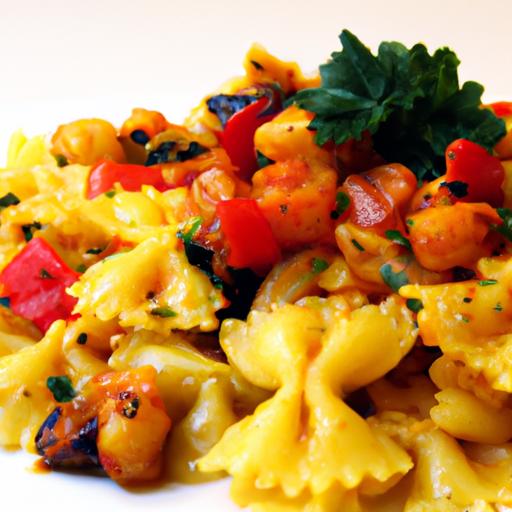

In the vibrant tapestry of global cuisine, some dishes tell stories that go beyond taste-narratives woven from history, culture, and creativity. Rasta Pasta is one such culinary masterpiece, a colorful fusion that melds the hearty essence of Italian pasta with the bold, soulful flavors of Caribbean spices. More than just a meal, Rasta Pasta is a celebration of cultural convergence, where fiery jerk seasoning meets creamy coconut sauce, and vibrant bell peppers dance alongside tender noodles. Join us as we explore the origins, ingredients, and cultural meaning of Rasta Pasta-an edible symphony that delights the senses and bridges continents on a single plate.
Origins and Cultural Significance of Rasta Pasta
Rasta Pasta is a vibrant culinary masterpiece that fuses the fiery essence of Jamaican jerk seasoning with the comforting allure of creamy Caribbean-style pasta. Rooted in the rich interplay of Caribbean and Italian influences, this dish reflects a gorgeous cultural fusion largely popularized in the vibrant kitchens of Jamaica and the Jamaican diaspora. It’s more than just a meal – it’s an ode to the boldness of Jamaican spices and the worldwide love of pasta.
Traditionally, rasta Pasta represents a celebration of Jamaican Rastafarian culture, embracing the iconic colors of red, gold, and green through the use of fresh bell peppers and jerk seasoning. The dish embodies resilience, joy, and a vibrant communal spirit, often shared at gatherings and festivals. Over time, it has evolved into a beloved staple not just in Caribbean homes but internationally, heralded for its rich flavors, colorful presentation, and soul-satisfying comfort.
Key Ingredients That Bring the Flavors to Life
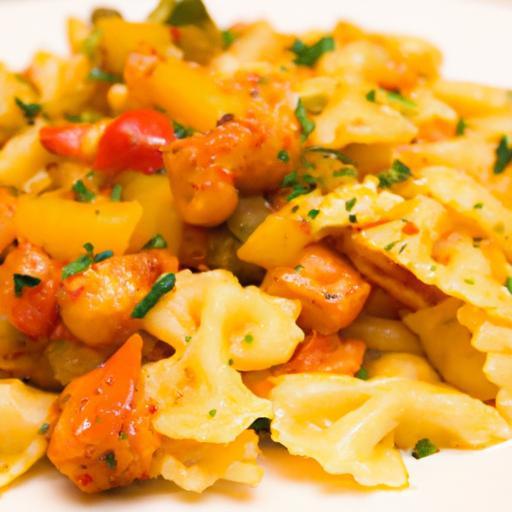
What sets Rasta Pasta apart is its harmonious balance of bold and creamy flavors, created by a handful of carefully selected ingredients. Jerk seasoning gives it that unmistakable punch of heat and smokiness, while bell peppers in red, yellow, and green add a fresh crunch and vibrant colour that captures the Rastafarian spirit. Creamy coconut milk entwined with a blend of aromatic garlic, onions, and bold spices makes the sauce luscious and inviting. Protein options like shrimp, chicken, or tofu soak up every nuance of flavor, bringing extra texture and heartiness to the dish.
Prep and Cook Time
- Readiness Time: 15 minutes
- Cooking Time: 25 minutes
- Total Time: 40 minutes
Yield
Serves 4 generous portions
Difficulty Level
Medium – Perfect for those ready to explore vibrant flavors and multi-step cooking
Ingredients
- 8 oz penne pasta, cooked al dente
- 1 lb chicken breast, thinly sliced (or tofu/shrimp as alternatives)
- 1 tbsp jerk seasoning, homemade or store-bought
- 1 tbsp olive oil or coconut oil
- 1 medium onion, finely chopped
- 3 cloves garlic, minced
- 1 red bell pepper, julienned
- 1 yellow bell pepper, julienned
- 1 green bell pepper, julienned
- 1 cup coconut milk (full-fat for creaminess)
- 1/2 cup heavy cream (or coconut cream for a dairy-free twist)
- 1 tsp dried thyme
- salt and black pepper to taste
- Fresh cilantro, chopped (for garnish)
- Juice of 1 lime (optional, for brightness)
Step-by-Step Guide to Crafting authentic Rasta Pasta at Home
- Prepare the pasta: Cook penne pasta in salted boiling water until al dente according to package instructions.Drain and set aside, drizzling a little olive oil to prevent sticking.
- Marinate the protein: Toss sliced chicken (or option) with jerk seasoning, making sure each piece is well coated. Let it rest for 5-10 minutes to absorb flavors.
- Sauté aromatics and peppers: Heat olive oil in a large skillet over medium heat. Add chopped onions and garlic, scrambling until fragrant and translucent, about 3 minutes.
- Add the marinated protein: Introduce the jerk-seasoned chicken to the pan. Sauté until golden brown and cooked through, approximately 6-8 minutes, stirring often for even cooking.
- Incorporate bell peppers: Add red, yellow, and green bell peppers, cooking until they soften but maintain a slight crunch-about 4 minutes.
- Create the sauce: Pour in coconut milk and heavy cream, stirring gently. Sprinkle in dried thyme, salt, and black pepper. Let the sauce simmer and thicken slightly, 5 minutes.
- Combine pasta and sauce: Fold the cooked penne into the sauce, ensuring the noodles are thoroughly coated and infused with the vibrant flavors.
- Final touches: Squeeze fresh lime juice over the pasta for a bright finish. Taste and adjust seasonings as needed.
- Serve: Plate your Rasta Pasta, garnish with a sprinkle of freshly chopped cilantro, and add an extra colorful bell pepper slice on top for visual appeal.
tips for Success
- Protein swaps: for a vegetarian or vegan option, substitute tofu or hearty mushrooms, and use coconut cream in place of heavy cream.
- Make it spicy: add a dash of scotch bonnet pepper or hot sauce if you love extra heat.
- Prep ahead: Marinate your protein the night before to allow the jerk seasoning to fully penetrate and amplify the flavor.
- Prevent a watery sauce: Use full-fat coconut milk and simmer gently rather than boiling, stirring occasionally to maintain creaminess.
- Enhance texture: add toasted sliced almonds or pumpkin seeds for an unexpected crunch.
Pairing Suggestions and Serving Tips to Elevate Your Dish
Rasta Pasta truly shines when paired with complementary Caribbean sides and vibrant garnishes. Serve it alongside a fresh mango or pineapple salsa to add sweetness and acidity that balance the smoky jerk heat. A crisp side salad with mixed greens dressed in a citrus vinaigrette can add refreshing contrast. For a heartier meal, plantain chips or roasted sweet potatoes offer a appetizing, textural companion.
When plating, use brightly colored bowls or plates to echo the dish’s vivid peppers. Garnish generously with fresh cilantro or parsley, lime wedges, and a sprinkle of flaky sea salt. A cold glass of Jamaican ginger beer or a tropical fruit smoothie will round out the experience perfectly, enhancing the dish’s bright and bold flavors.
| Nutrient | Per Serving |
|---|---|
| Calories | 450 kcal |
| Protein | 35 g |
| Carbohydrates | 40 g |
| Fat | 15 g |

For more Caribbean-inspired dishes that celebrate bold flavors,check out our Caribbean Spiced Roasted Chicken recipe. To learn more about the rich heritage of jerk seasoning, explore this detailed guide on the History of Jerk Cuisine.
Q&A
Q&A: Rasta Pasta – A Flavorful Fusion of Culture and cuisine
Q1: What exactly is Rasta Pasta?
A1: Rasta Pasta is a vibrant, Caribbean-inspired dish that harmoniously blends creamy Italian pasta with the bold, spicy flavors of Jamaican cuisine. It’s a colorful celebration on a plate, combining traditional pasta with jerk seasoning, bell peppers, and often a medley of fresh herbs and veggies, creating a truly unique and mouthwatering fusion.Q2: How did Rasta Pasta come to be?
A2: The origins of Rasta Pasta are rooted in the cultural melting pot of the Caribbean, particularly Jamaica, where culinary traditions meet multicultural influences.It emerged as a creative way to bring the rich flavors of Jamaican jerk spices together with Italian pasta, symbolizing unity through food and showcasing the dynamic, evolving nature of Caribbean cuisine.
Q3: What ingredients define the flavor profile of Rasta Pasta?
A3: The essence of Rasta Pasta lies in its bold jerk seasoning-a blend of allspice, Scotch bonnet peppers, thyme, garlic, and scallions-that infuses the dish with warmth and heat. Complementing the spice are colorful bell peppers (red,yellow,and green),creamy coconut milk or heavy cream for richness,garlic,onions,and sometimes fresh herbs like cilantro or parsley,which brighten the dish with freshness.
Q4: Is Rasta Pasta typically served with any particular protein?
A4: While traditionally, Rasta Pasta features chicken or seafood such as shrimp to soak up the jerk flavors, it’s incredibly versatile and just as delightful when made vegetarian or vegan-with plant-based proteins like tofu, tempeh, or hearty vegetables taking center stage. This versatility makes it perfect for all kinds of dietary preferences.
Q5: Can Rasta pasta be considered a healthy dish?
A5: Absolutely! When prepared with fresh ingredients, colorful vegetables, and lean proteins or plant-based options, Rasta Pasta offers a balanced meal rich in nutrients. Using whole-grain or gluten-free pasta can further enhance its healthfulness. Plus, the use of spices like garlic, allspice, and Scotch bonnet peppers provides antioxidants and metabolic benefits alongside fantastic flavor.
Q6: How does Rasta Pasta reflect the cultural fusion of its origins?
A6: Rasta Pasta is more than just food-it’s a story on a plate. It represents the meeting of Caribbean and Italian culinary traditions, celebrating diversity and creativity. The dish embodies how food evolves through cultural exchange, blending the soul of Jamaican spice culture with the comforting familiarity of pasta, creating something new, exciting, and deliciously emblematic of global unity.
Q7: What are some tips for making authentic-tasting Rasta Pasta at home?
A7: To achieve authentic flavors, start with a good homemade jerk seasoning or a well-balanced store-bought blend. marinate your chosen protein or vegetables in jerk spices before cooking. use fresh bell peppers for that signature “rasta” red, yellow, and green vibrancy. Incorporate coconut milk for creaminess and finish with a squeeze of fresh lime juice to add brightness. Don’t be afraid to experiment with spice levels to suit your palate.
Q8: Can Rasta Pasta be enjoyed year-round?
A8: Definitely! While its vibrant colors and bold spices bring tropical sunshine to any meal, rasta Pasta’s comforting, creamy texture also makes it perfect for cooler days when you crave something warming yet fresh. its versatility means it’s a crowd-pleaser no matter the season.
Q9: How does Rasta Pasta contribute to the modern culinary landscape?
A9: Rasta Pasta is a shining example of fusion cuisine that honors tradition while pushing boundaries. It challenges conventional categorizations, encouraging chefs and home cooks alike to celebrate cultural diversity through food. This dish not only satisfies the palate but also sparks curiosity and thankfulness for the rich stories behind every ingredient and spice.
Q10: Where can one experience the best Rasta Pasta outside of their kitchen?
A10: authentic Caribbean restaurants, especially those with Jamaican influences, often feature Rasta Pasta on their menu. Additionally, vibrant food festivals celebrating Caribbean culture or fusion cuisine provide fantastic opportunities to sample different takes on this flavorful dish. If you’re exploring urban food scenes, many contemporary Caribbean eateries offer innovative versions that honor tradition and inspire new flavor adventures.
Future Outlook
as the vibrant spices of Rasta Pasta linger on the palate, they tell a story far richer than flavor alone-a tale woven from the threads of Jamaican heritage and Italian tradition. This delicious fusion dish is more than a meal; it’s a celebration of cultural harmony, a testament to how food can bridge worlds and bring diverse communities together. Whether enjoyed at a festive gathering or a quiet dinner, rasta Pasta invites us to savor not just the bold blend of ingredients, but also the vibrant spirit of creativity and connection simmering beneath every bite. In embracing this flavorful fusion, we taste the true essence of culinary unity-a reminder that sometimes, the richest recipes come from daring to mix the unexpected.