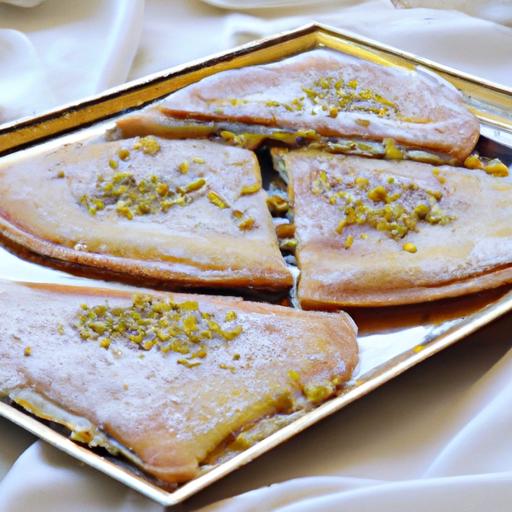



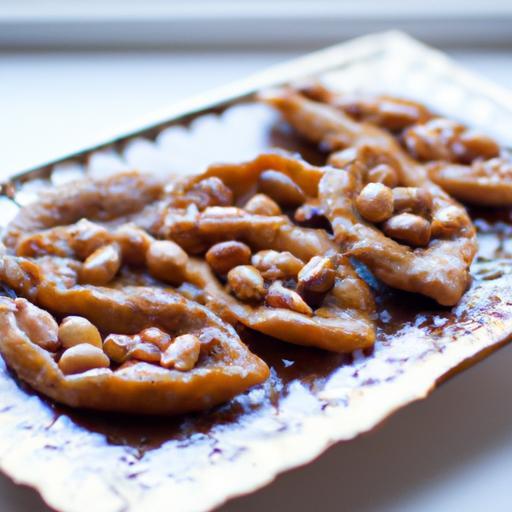
Imagine a symphony of textures and flavors wrapped in a golden, crescent-shaped delight that has enchanted taste buds across teh Middle East for centuries. Qatayef with nuts is more than just a dessert-it’s a celebration of tradition,a crunchy cascade of finely chopped nuts nestled inside soft,fluffy pancakes,kissed by fragrant spices and drizzled with luscious syrup. Weather savored during festive evenings or as a sweet everyday indulgence, this delicacy offers a perfect harmony of sweetness and crunch that tells a story of cultural heritage and culinary artistry. Join us as we explore the origins, ingredients, and irresistible charm of Qatayef with nuts-a true jewel of Middle Eastern gastronomy.
Understanding the Origins and Cultural Significance of Qatayef with Nuts
Qatayef with nuts captures the essence of Middle Eastern hospitality and festive joy,symbolizing traditions deeply woven into Ramadan celebrations across the Arab world. This beloved sweet,often shared at iftar tables,originated centuries ago and has since become a cherished delicacy representing generosity,family bonding,and cultural pride. Its tender folded pancakes filled with crunchy, aromatic nuts transport you back to bustling markets and warm kitchens, where generations perfected every bite.
The artistry behind selecting and preparing the finest nuts is integral to this treat’s signature crunch and flavor harmony. The nuts infuse not just texture, but a fragrant depth, showcasing regional varieties such as walnuts, pistachios, and almonds. Their readiness-whether lightly toasted or finely chopped-unlocks maximum aroma and enhances the nutty sweetness that delicately contrasts the soft batter.
Exploring the Art of Choosing and Preparing the Finest Nuts for Maximum Crunch
For breathtaking Qatayef with Nuts, choosing premium-quality nuts is essential. Freshness makes all the difference, bringing both a crisp bite and vibrant fragrance that awakens the palate. Opt for raw, unsalted nuts-pistachios lend a subtle earthiness and stunning green color, while walnuts add hearty depth, and almonds offer a mild sweetness.
Before folding them into the filling, gently toast the nuts in a dry skillet on medium heat, stirring until aromatic and golden but not burnt. This step intensifies the flavor and adds an irresistible crunch under the delicate qatayef batter. After toasting, finely chop the nuts by hand or pulse briefly in a food processor to maintain uneven textures that sparkle in every bite.
Crafting the Perfect Qatayef Batter for a Light and Fluffy Texture
qatayef with Nuts owes its charm to the ethereal batter - light yet sturdy enough to cradle the filling without tearing. The secret lies in a perfectly balanced mix of all-purpose flour, semolina for texture, and a leavening agent such as baking powder or yeast to create those signature tiny bubbles that give a fluffy, airy structure.
Hydration is key: the batter should be pourable but not runny, with a velvet-smooth consistency. Resting the batter for at least 30 minutes before cooking activates the leavening and encourages uniform bubbles. Cooked on a hot, non-stick skillet, each pancake develops a delicate golden top dotted with tiny holes, signaling readiness for the next step.
Expert Tips for Frying and Serving Qatayef to Achieve Irresistible Sweetness and Crispiness
Once filled with the nut mixture, customary qatayef are generously fried in hot oil to achieve a golden crust that shatters with each bite, unveiling the soft filling inside. Maintain an optimal frying temperature around 350°F (175°C) to ensure an even, crisp outer shell without absorbing excess oil. Fry in small batches to avoid overcrowding and fluctuating the pan temperature.
Drain each batch on paper towels to absorb residual oil, then immediately submerge them in a fragrant rose or orange blossom syrup. This syrup soak infuses luscious sweetness and floral notes while retaining the prized crunch. Serve piping hot or at room temperature, garnished with crushed pistachios and a light dusting of powdered sugar or a drizzle of tahini for a luscious Middle Eastern finish.
Prep and Cook Time
- Preparation Time: 30 minutes
- Resting Time for Batter: 30 minutes
- Cooking Time: 20 minutes
- Total Time: 1 hour 20 minutes
Yield
Approximately 30 qatayef, serving 6-8 people
Difficulty Level
Medium – Requires attention to batter consistency and frying technique
Ingredients
- 1 cup all-purpose flour, sifted
- 1/4 cup fine semolina
- 1 tablespoon sugar
- 1 teaspoon instant yeast
- 1/4 teaspoon baking powder
- 1 cup warm water
- 1/2 cup raw pistachios, toasted and finely chopped
- 1/2 cup raw walnuts, toasted and finely chopped
- 1/4 cup almonds, toasted and chopped
- 2 tablespoons sugar
- 1 teaspoon ground cinnamon
- Vegetable oil for frying
- 1 cup sugar syrup (rose or orange blossom flavored) – see notes below
Instructions
- Make the batter: In a large bowl, whisk together all-purpose flour, semolina, sugar, yeast, and baking powder. Gradually add warm water while stirring continuously until the batter is smooth and pourable but not too thin. Cover and let rest in a warm place for 30 minutes. The surface should be dotted with bubbles when ready.
- Prepare the nut filling: In a dry skillet over medium heat, toast pistachios, walnuts, and almonds for 3-5 minutes until fragrant and slightly golden. Remove from heat and transfer to a bowl. Stir in sugar and ground cinnamon to combine evenly.
- Cook the qatayef pancakes: Heat a non-stick skillet or griddle over medium heat.Spoon 2 tablespoons of batter and pour gently to form 3-4 inch circles. Cook only on one side until edges dry and surface is covered with bubbles, about 2 minutes. Do not flip. Remove pancakes and set aside.
- Fill and fold: Place a tablespoon of nut filling on the cooked side of each pancake. Fold edges over to form a half-moon shape, pinching the edges tightly to seal and prevent filling leakage.
- Fry qatayef: Heat vegetable oil in a deep pan to 350°F (175°C). Fry filled qatayef in batches until golden and crisp, about 2-3 minutes. Avoid overcrowding. Drain on paper towels.
- Syrup soak: While still warm,dip fried qatayef briefly in fragrant sugar syrup,allowing excess syrup to drip off. Arrange on a platter and garnish with crushed pistachios or a light dusting of powdered sugar.
- Serve and enjoy: Serve immediately for the best combination of crispy crust and sweet, crunchy filling.
Chef’s Notes
- For a gluten-free variation, experiment with a blend of chickpea and rice flour, but adjust water content accordingly.
- If you prefer baking over frying, place filled qatayef on a parchment-lined tray, brush lightly with oil, and bake at 375°F (190°C) for 10-12 minutes or until golden.
- Sugar syrup can be easily made by boiling 1 cup sugar with 1/2 cup water and flavoring with 1 tablespoon rose water or orange blossom water after cooling.
- To keep qatayef crisp longer, avoid soaking in syrup until just before serving.
Serving Suggestions
Offer qatayef alongside a cup of fragrant mint tea or cardamom-spiced coffee to balance the sweetness. Garnish with vibrant crushed pistachios and a sprinkle of edible dried rose petals for a stunning presentation.For an indulgent twist, serve with a drizzle of tahini or a dollop of cream-like clotted cream (ashta) to add velvet richness.
| Nutrient | Per Serving (2 qatayef) |
|---|---|
| Calories | 210 kcal |
| Protein | 5 g |
| Carbohydrates | 28 g |
| Fat | 9 g |

Discover more traditional Middle Eastern sweets in our Middle Eastern Desserts Collection or enrich your culinary knowledge with insights from Britannica’s detailed overview of Qatayef.
Q&A
Q&A: Qatayef with Nuts – A Sweet crunchy Middle Eastern Delight
Q1: What exactly is Qatayef?
A: Qatayef is a beloved Middle Eastern dessert, especially popular during Ramadan. Think of it as a delicate,folded pancake or dumpling,traditionally filled with a luscious mixture of nuts or sweet cheese,then deep-fried or baked to golden perfection. When drizzled with fragrant sugar syrup, it becomes an irresistible treat combining soft, crunchy, and syrupy textures.Q2: Why are nuts such a popular filling for Qatayef?
A: Nuts bring a fantastic crunch and rich flavor contrast to the soft, spongy Qatayef batter. Classic nut fillings frequently enough include walnuts, pistachios, almonds, or a combination-all finely chopped and spiced with warm notes like cinnamon, nutmeg, or a splash of rose or orange blossom water for that aromatic signature. Their natural buttery richness elevates every bite into a delightful crunch that complements the sweet syrup beautifully.
Q3: How is Qatayef with nuts traditionally prepared?
A: The process starts with a simple batter, poured onto a hot griddle to create small, pancake-like rounds. These are only cooked on one side until bubbles form on top and the surface sets-no flipping required. Once slightly cooled, each pancake is filled with the spiced nut blend, folded into a crescent shape, and the edges sealed carefully. The Qatayef pockets are then either deep-fried to crisp golden perfection or baked for a lighter texture,before soaking or drizzling with sugar syrup infused with rose or orange blossom water.
Q4: What makes the syrup used in qatayef so special?
A: The syrup, or “attar,” is typically a simple sugar syrup boiled with water and a squeeze of lemon juice to balance the sweetness. The magic happens when it’s scented with fragrant essences like rose water or orange blossom water, wich impart that unmistakable floral aroma beloved in Middle Eastern desserts. This syrup syrupy sweetness seeps into the crispy or soft dough, creating a harmonious blend of textures and flavors.
Q5: Can Qatayef be made ahead of time?
A: Yes, but with a little care! The batter and nut filling can be prepared in advance and stored chilled. It’s best to fold and cook the Qatayef on the day you plan to serve them for optimal freshness and texture. Once cooked and dipped in syrup, they are best enjoyed immediately to maintain that perfect balance of crispness and syrupy tenderness. If needed, store leftovers uncovered to prevent sogginess.
Q6: Are there variations of nut-filled Qatayef?
A: Absolutely! While walnuts, pistachios, and almonds are staples, blending different nuts or adding shredded coconut, a pinch of cinnamon, or cardamom can personalize the flavor. Some recipes add a touch of honey, sugar, or even a splash of orange blossom water directly into the nut filling for an extra fragrant touch. Regional and family variations abound, each adding a unique twist to this festive dessert.
Q7: Is Qatayef with nuts gluten-free or suitable for special diets?
A: Traditionally, Qatayef is made with wheat flour, which contains gluten.However,gluten-free versions can be crafted using alternative flours such as rice flour or a gluten-free blend,though the texture may vary slightly. Because this dessert is dairy-free (when made with nut fillings instead of cheese), it fits well into vegan diets, provided the syrup doesn’t contain non-vegan ingredients.
Q8: What occasions are Qatayef most commonly associated with?
A: Though enjoyed year-round, Qatayef’s true popularity shines during Ramadan as a special treat to break the fast at Iftar. Its unique combination of light batter and rich sweet nut filling makes it both satisfying and indulgent after a day of fasting. It also features prominently at Eid celebrations and other festive gatherings, symbolizing warmth, generosity, and communal sharing.
Q9: How can beginners make Qatayef successfully at home?
A: Start with a simple, well-tested batter recipe and use a non-stick griddle or pan to cook small, evenly sized pancakes. Be patient and cook only on one side until bubbles set the surface. For the filling, finely chop your nuts and mix with a bit of sugar and warm spices for an inviting aroma. Seal the edges carefully to avoid leaks during frying or baking. prepare your syrup ahead and drizzle generously while the Qatayef are still warm to absorb maximum sweetness.
Q10: What makes qatayef with nuts a standout dessert in Middle Eastern cuisine?
A: Qatayef’s charm lies in its harmonious contrasts-the tender, slightly chewy dough meeting crunchy, fragrant nuts and soaked in luscious, fragrant syrup. This textural and flavor interplay captures the essence of Middle Eastern sweetness: simple, aromatic, and deeply satisfying. Its historical roots and cultural significance add a layer of nostalgia and tradition, making it far more than just a dessert-it’s a celebration on the palate.
In Summary
As the final crumb of Qatayef with nuts melts on your tongue, you’re left with more than just sweetness - you carry with you a taste of Middle Eastern heritage, rich in tradition and storytelling. This crunchy,honey-drizzled delight isn’t just a dessert; it’s a celebration of textures,flavors,and centuries-old craftsmanship. whether enjoyed during festive gatherings or as a special treat, Qatayef reminds us that some of the most unforgettable experiences are those shared over a simple, lovingly prepared bite. So next time you crave something both sweet and satisfying, let Qatayef with nuts transport you to a world where every crunch tells a story.