

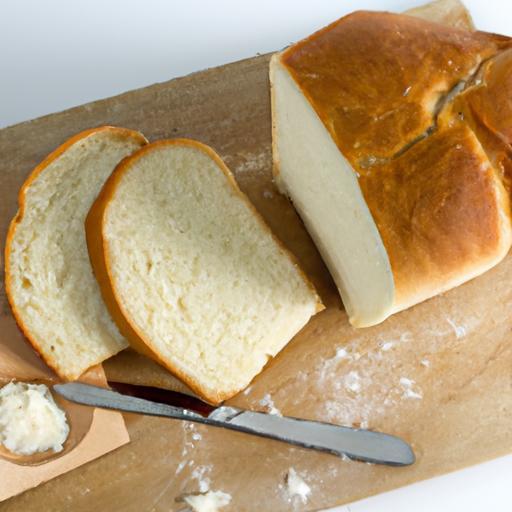
There’s something undeniably comforting about a classic loaf of bread-the crisp crust, the airy crumb, the aroma that fills the kitchen with warm familiarity. Now, imagine that beloved staple getting a subtle, yet transformative upgrade: enter potato bread. This soft twist on the conventional loaf brings a gentle richness and tender texture that’s as surprising as it is delicious.
In this article, we’ll peel back the layers of potato bread’s history, explore what sets it apart from your everyday sandwich bread, and uncover why this humble tuber has earned a special place in the hearts (and ovens) of bakers worldwide. Whether you’re a seasoned bread enthusiast or a curious foodie, prepare too discover the magic that makes potato bread a soft, flavorful classic all its own.
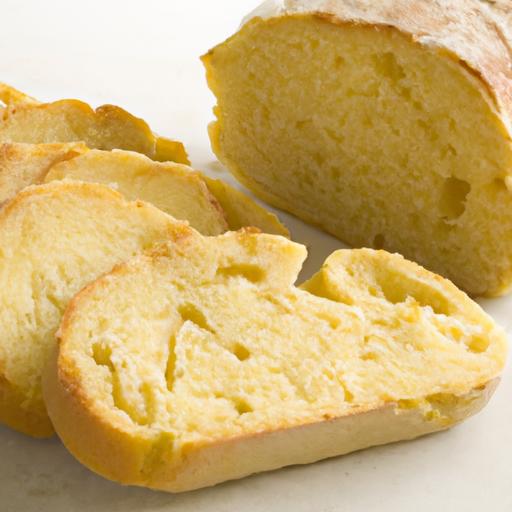
Potato bread transforms the texture of a traditional loaf by incorporating mashed potatoes or potato flour, yielding an irresistibly soft crumb and a tender crust that lingers with subtle moistness. This delightful twist not only elevates everyday bread but also connects culinary heritage with modern baking finesse. Originating from Eastern European kitchens, where rustic ingredients were lovingly adapted for sustenance and flavor, potato bread’s charm lies in its cozy, homey appeal and chewy softness that lasts for days.
Prep and Cook Time
- Readiness: 20 minutes
- Rising time: 1 hour 30 minutes (including two rises)
- Baking time: 30-35 minutes
- Total time: Approximately 2 hours 25 minutes
Yield
1 medium loaf (about 10 slices)
difficulty Level
Medium – Ideal for home bakers pleasant with yeast dough and proofing but approachable for adventurous beginners.
Ingredients
- 1 cup mashed russet or Yukon gold potatoes (about 1 medium potato), warm
- 2 ½ cups all-purpose flour, sifted (plus extra for kneading)
- 2 tsp active dry yeast
- 1 tbsp granulated sugar
- 1 tsp fine sea salt
- ¼ cup whole milk, warmed (about 110°F)
- 3 tbsp unsalted butter, melted and cooled
- 1 large egg, room temperature
Instructions
- Activate the yeast: In a small bowl, combine the warm milk, sugar, and yeast. Let it sit for 5-10 minutes until frothy and bubbly-a sign the yeast is alive and ready.
- Prepare the dough mixture: In a large mixing bowl, whisk the flour and salt. Add the warm mashed potatoes, melted butter, egg, and the activated yeast mixture. stir with a wooden spoon or dough hook until the dough begins to form.
- Knead to perfection: Turn the dough onto a lightly floured surface. knead for about 8-10 minutes, adding flour sparingly as needed, until the dough is smooth, elastic, and just slightly tacky. Tip: Use the palm of your hands and push folds under to build gluten strength.
- Frist rise: Place the dough in a greased bowl,cover with a damp cloth or plastic wrap,and let it rise in a warm,draft-free spot for about 1 hour,or until doubled in size.
- shape the loaf: punch down the risen dough gently to release air bubbles.Shape it into a tight oval or round loaf and place it on a parchment-lined baking tray or into a greased loaf pan.
- Second rise: Cover again and let it rise for 30-40 minutes, until nearly doubled and puffy. Simultaneously occurring, preheat your oven to 375°F (190°C).
- Bake: Optional: brush the loaf lightly with melted butter or milk for a golden crust. Bake for 30-35 minutes until the crust is golden brown and sounds hollow when tapped on the bottom.
- Cool entirely: Transfer to a cooling rack. Let the bread cool fully before slicing to preserve the soft crumb and prevent gummy texture.
Tips for Success
- Choose the right potato: Starchy potatoes like russet provide fluffier texture, while waxy potatoes yield a denser crumb.
- Control moisture: Use a kitchen scale if possible; potato moisture varies and can affect dough hydration. Add flour gradually to avoid a dry loaf.
- Warm ingredients: Ensure milk and mashed potatoes are warm but not hot to help yeast activate without killing it.
- Kneading matters: Proper gluten development is key to the bread’s softness and structure. Use windowpane test to check elasticity.
- Make ahead: After cooling, wrap the loaf tightly in foil and freeze for up to 1 month. Thaw at room temperature and refresh by warming briefly in the oven.
Flavor Pairings and Serving Suggestions for Potato Bread
Potato bread’s mild sweetness and supple texture make it exceptionally versatile.Serve toasted with creamy almond butter and honey for breakfast or grilled with melted cheddar and caramelized onions for a nostalgic twist. It pairs marvelously with savory spreads like herb-infused cream cheese or roasted garlic hummus, and complements hearty soups such as butternut squash or tomato bisque.
For an elevated presentation, slice thick and garnish with fresh rosemary or thyme sprigs. A sprinkle of flaky sea salt enhances the gentle flavor of the potato-enhanced crumb beautifully, making it ideal for rustic sandwiches or alongside vibrant salads.
Nutritional Information
| Nutrition | Per Slice (1/10 loaf) |
|---|---|
| Calories | 120 kcal |
| Protein | 3 g |
| Carbohydrates | 22 g |
| fat | 2.5 g |

Explore more artisanal bread techniques in our homemade Artisan Bread Guide. For a deeper dive into potato starch’s baking science, visit ScienceDaily’s article on potato starch in baking.
Q&A
Q&A: Potato Bread – A Soft Twist on a Classic Loaf Explained
Q1: What exactly is potato bread?
A1: Potato bread is a delicious variation of traditional bread that incorporates mashed potatoes or potato flour into the dough. This addition creates an irresistibly soft, moist texture and a subtly sweet flavor that sets it apart from your everyday loaf.
Q2: How do potatoes change the texture of bread?
A2: Potatoes introduce extra moisture and natural starches, which help retain freshness and give the bread a tender crumb. Unlike classic wheat-only bread, potato bread stays soft longer and offers a luscious, almost pillowy bite.
Q3: Can I use fresh potatoes or potato flour to make potato bread?
A3: Both options work beautifully! Fresh, boiled and mashed potatoes lend a mild flavor and creamy texture, while potato flour (or flakes) provides convenience and a concentrated potato essence. Each choice slightly alters the final loaf’s character, making it fun to experiment.
Q4: Does potato bread require a different baking process?
A4: The process is similar to making regular bread, but potato dough tends to be wetter and more elastic. It frequently enough needs a bit more kneading and a slightly longer rising time to develop the perfect crumb. Baking temperatures generally remain consistent with standard yeast breads.
Q5: what makes potato bread so versatile in the kitchen?
A5: Its soft texture and mild sweetness complement both savory and sweet toppings alike. Whether you’re spreading creamy butter, layering fresh vegetables, or crafting a unique sandwich, potato bread’s gentle flavor plays well with many ingredients without overpowering them.
Q6: Is potato bread healthier than regular bread?
A6: Potato bread offers some nutritional perks-potatoes bring vitamins,minerals,and fiber into the mix. However, it’s still a carbohydrate-rich food and should be enjoyed as part of a balanced diet. The added moisture also means fewer preservatives and staler breads can be kept at bay naturally.
Q7: Can potato bread be made gluten-free?
A7: Traditional potato bread relies on wheat flour for structure, but creative bakers can blend potato flour with gluten-free grains and binders like xanthan gum to mimic the texture. While it requires some trial and error, a soft gluten-free potato loaf is definitely achievable.
Q8: What’s the best way to store potato bread?
A8: Because of its moisture, potato bread stays fresh longer than regular bread but can also get moldy if left in humid conditions. Store it in a cool, dry place wrapped in a cloth or paper bag. For longer storage, slicing and freezing the loaf keeps the softness intact when thawed.
Q9: Are there any traditional dishes that feature potato bread?
A9: While potato bread is a versatile staple worldwide, it’s often seen in rustic European kitchens-perfect for soaking up hearty stews or serving as a base for open-faced sandwiches. its soft crumb is a natural fit for comforting,cozy meals.
Q10: Could I add herbs or spices to potato bread for extra flavor?
A10: Absolutely! fresh rosemary, thyme, or garlic powder blend wonderfully with the subtle potato flavor, giving your loaf an aromatic boost. Sweet spices like cinnamon or nutmeg also complement the natural sweetness if you want to try a twist perfect for breakfast toast or snacks.
Potato bread is a creative, comforting twist on classic loaves that invites experimentation and rewards bakers with a soft, flavorful bread that truly stands out. Whether you’re a novice or a seasoned baker, giving potato bread a try might just become your next favorite baking adventure!
Final Thoughts
whether nestled beneath a savory sandwich or savored warm with a pat of butter, potato bread brings a uniquely tender, subtly sweet twist to the familiar world of classic loaves. Its creamy crumb and delicate texture aren’t just a happy accident-they’re the result of a brilliant collaboration between humble spuds and time-honored baking traditions. So next time you reach for bread, consider the soft embrace of potato bread: a simple, starchy upgrade that redefines comfort and adds a little extra magic to every bite.