
there’s a certain magic that happens when the humble pineapple meets a golden,buttery cake-an enchantment that transforms simple ingredients into a luscious symphony of flavor and texture. Pineapple upside down cake, often celebrated as a nostalgic classic, is much more than just a dessert; it’s a delicious dance of chemistry and technique. Beneath its caramelized crown and moist crumb lies a fascinating interplay of science-the kinds of reactions and ingredient interactions that turn ordinary batter into the perfect balance of sweet, tangy, and tender. Join us as we peel back the layers of this beloved treat to explore the sweet science behind crafting the perfect pineapple upside down cake.
The Sweet Science Behind Perfect Pineapple Upside Down Cake
The Sweet Science Behind Perfect Pineapple Upside Down Cake begins with understanding each ingredient’s role and every step’s effect on flavor and texture. This tropical classic has delighted palates for generations, marrying luscious caramelized pineapple rings with a tender, buttery cake that seems simple but demands precision. Whether you’re celebrating a sunny weekend or craving a nostalgic treat,mastering these elements will elevate your baking to irresistible new heights.
Prep and Cook Time
- Readiness: 20 minutes
- cooking: 40 minutes
- Cooling: 15 minutes
- Total: 1 hour 15 minutes
Yield
Serves 8 delightful slices
Difficulty Level
Medium – Perfect for bakers ready to explore the nuances of caramelization and batter balance
The Sweet Science Behind Perfect Pineapple Upside Down Cake: Ingredients
- 1/4 cup unsalted butter, melted
- 3/4 cup light brown sugar, packed
- 8 pineapple rings, fresh or canned (drained)
- Maraschino cherries, optional for garnish
- 1 1/2 cups all-purpose flour, sifted
- 2 tsp baking powder
- 1/4 tsp salt
- 3/4 cup granulated sugar
- 1/2 cup vegetable oil
- 2 large eggs, room temperature
- 1 tsp pure vanilla extract
- 1/2 cup whole milk, warmed slightly
Instructions
- prepare the caramel glaze: Pour the melted butter evenly into a 9-inch round cake pan. Sprinkle all the brown sugar evenly over the butter. Place the pineapple rings atop the sugar mixture, gently pressing them down. If desired, tuck a maraschino cherry into the center of each pineapple ring for a splash of color.
- Master the caramelization: Place the pan in a preheated oven at 350°F (175°C) for about 10 minutes to allow the sugar and butter to bubble and meld into a glossy golden glaze.watch closely so the sugars don’t burn-a deep golden color signals caramel perfection.
- Mix dry ingredients: In a bowl, whisk together the sifted flour, baking powder, and salt. This ensures even leavening and structure.
- Balance batter moisture: In a large mixing bowl, combine the granulated sugar and vegetable oil until smooth. Add eggs one at a time, beating well after each addition. Stir in the vanilla extract.
- Combine wet and dry: Alternate adding the flour mixture and warm milk to the wet ingredients, beginning and ending with flour. Stir gently after each addition until just combined-overmixing can toughen the cake.
- Pour and bake: Carefully spoon the batter over the caramelized pineapple layer, smoothing it out into an even layer. Return the pan to the oven and bake for 35-40 minutes or until a toothpick inserted in the center comes out clean.The cake should spring back when lightly pressed.
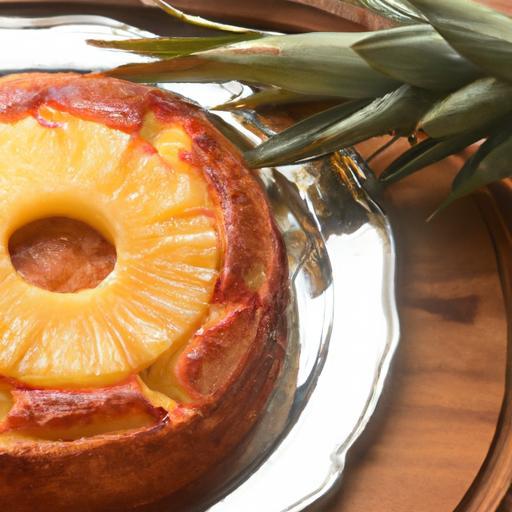
- Cool and flip with flair: Allow the cake to cool in the pan for 15 minutes. Run a thin knife around the edges to loosen, then place a serving plate upside down on top of the pan. In one fluid motion, invert the pan and plate. Let the pan lift naturally to reveal your glossy pineapple masterpiece with a perfectly golden crust.
Chef’s Notes: Tips for Success – Perfect Pineapple Upside Down Cake
- Choose pineapples that smell sweet and emit a slight give when gently pressed; ripe pineapples make the flavor shine.
- Use fresh pineapple rings for the best texture and sweetness; if using canned, drain thoroughly to avoid soggy cake.
- For a deeper caramel glaze, brown sugar can be replaced with muscovado sugar, offering a richer molasses note.
- Maintain batter moisture by warming the milk gently; cold milk can toughen the crumb.
- When flipping, patience is key-cooling slightly but not fully ensures the caramel remains pliable and doesn’t stick.
- Try incorporating warm spices like cinnamon or nutmeg into the batter for added warmth and aroma.
- Make-ahead tip: Bake the cake the day before, cover tightly, and flip just before serving to preserve that glossy caramel shine.
Serving suggestions
Slice your pineapple upside down cake generously and serve warm or at room temperature. For extra indulgence, pair each slice with a dollop of freshly whipped cream or a scoop of vanilla bean ice cream. Garnish with fresh mint leaves or extra maraschino cherries for visual impact. This vibrant cake also pairs beautifully with a cup of lightly brewed black tea or tropical fruit punch to complement its sweet, tangy notes.

| Nutrient | Per Serving |
|---|---|
| Calories | 320 kcal |
| Protein | 3 g |
| carbohydrates | 48 g |
| Fat | 12 g |
For more tropical baking inspiration, see our Complete Guide to Tropical Desserts. To understand the science behind caramelization more deeply, visit ScienceDaily’s caramelization overview.
Q&A
The Sweet Science Behind Perfect pineapple Upside Down Cake: Q&A
Q1: What makes pineapple upside down cake different from other cakes?
A1: Pineapple upside down cake is unique because its fruit topping cooks at the bottom of the pan, caramelizing beautifully before the batter is poured over it. Once baked and inverted, the pineapple rings and cherries create a glossy, sweet mosaic on top, offering a perfect blend of tart, juicy fruit and rich, buttery cake. This upside-down baking technique transforms simple ingredients into a dramatic,flavorful masterpiece.
Q2: Why is caramelization crucial in this cake?
A2: Caramelization is the magical browning process that happens when sugar is heated, creating complex flavors and inviting aromas. In pineapple upside down cake,melted butter and brown sugar form a sticky caramel base that deepens the sweetness and enhances the natural tropical tang of the pineapple.This oozing caramel syrup soaks into both the fruit and cake, adding richness and moisture.
Q3: How does the moisture content of pineapple influence the cake’s texture?
A3: Pineapple is naturally juicy and acidic, which impacts the cake’s crumb and rise. If the fruit is too wet, it can make the cake soggy or dense. Draining canned pineapple well or patting fresh pineapple slices dry helps keep the batter balanced, allowing the cake to bake evenly with a tender but sturdy crumb that supports the luscious topping.
Q4: What role does acidity play in this dessert?
A4: The acidity in pineapple brightens the overall flavor and interacts with baking soda or baking powder to help the cake rise. It also cuts through the sweetness, preventing the cake from tasting cloying. This delicate acidity balance ensures the sweetness and tang harmonize, creating a refreshing and vibrant dessert experience.
Q5: Why is it critically important to invert the cake while it’s still warm?
A5: Inverting the cake right out of the oven allows the caramelized topping to release from the pan smoothly without sticking or breaking.As it cools, the caramel hardens and can cling to the pan, making it challenging to flip. A warm flip ensures your glossy pineapple rings stay perfectly intact and your cake retains its stunning presentation.
Q6: Can the type of sugar affect the final flavor?
A6: Absolutely! Using brown sugar or dark muscovado sugar adds molasses notes that deepen the caramel’s flavor, complementing the pineapple’s sweetness.White granulated sugar tends to create a lighter caramel profile,which might feel less rich. choosing the right sugar can subtly shift the cake’s complexity from simple sweet to deeply indulgent.
Q7: What’s the secret to getting a moist yet fluffy cake underneath?
A7: Achieving that fluffy crumb requires a delicate balance of ingredients and technique. Creaming the butter and sugar thoroughly incorporates air, producing a light texture. Adding eggs one at a time stabilizes the structure, while careful folding of the dry ingredients preserves the aeration. The pineapple’s moisture infuses from above without overwhelming the batter.
Q8: How does the pan material influence caramelization?
A8: The type of pan can play a surprising role. Heavy-bottomed pans, like cast iron or stainless steel, distribute heat evenly, promoting consistent caramelization without burning. Non-stick pans can help with easy release, but may heat unevenly. Using the right pan ensures your caramel topping forms that golden-brown crust that’s both visually appealing and deliciously flavorful.
Q9: Can fresh pineapple be used instead of canned?
A9: Yes! fresh pineapple offers brighter flavor and firmer texture but requires careful preparation. Slice it evenly and remove excess juice to avoid sogginess. The freshness can make the cake taste lighter and more vibrant, but slightly less sweet compared to the syrupy canned variety.
Q10: How does temperature control during baking affect the cake?
A10: Baking at a moderate temperature (around 350°F or 175°C) allows the caramel to set slowly and the cake to rise evenly. Too high heat risks burning the sugar caramel before the cake is cooked through, while too low can produce a pale topping without that signature golden gloss. Temperature precision is key to perfect pineapple upside down cake.
Insights and Conclusions
As the final slice of pineapple upside down cake melts on your tongue, you’re tasting more than just a dessert-you’re experiencing a delicate dance of chemistry and craft. Behind its caramelized crown and tender crumb lies a symphony of scientific processes, from the Maillard reaction that browns the sugars to the precise balance of acids and leaveners that lift the batter just right. Understanding the sweet science behind this classic treat not only deepens our gratitude but also empowers every baker to turn humble ingredients into a golden masterpiece. So next time you savor that luscious slice, remember: it’s not just baking, it’s edible alchemy in motion.