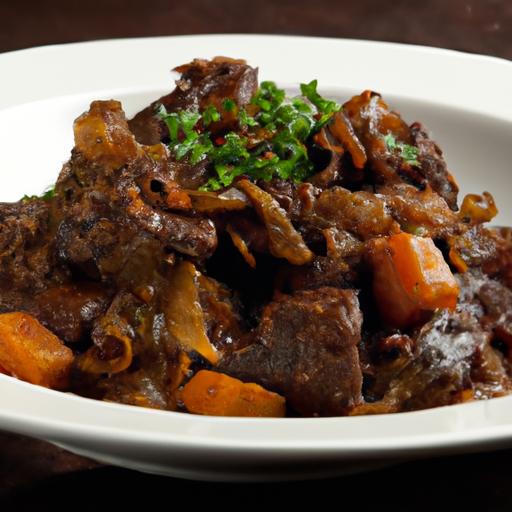




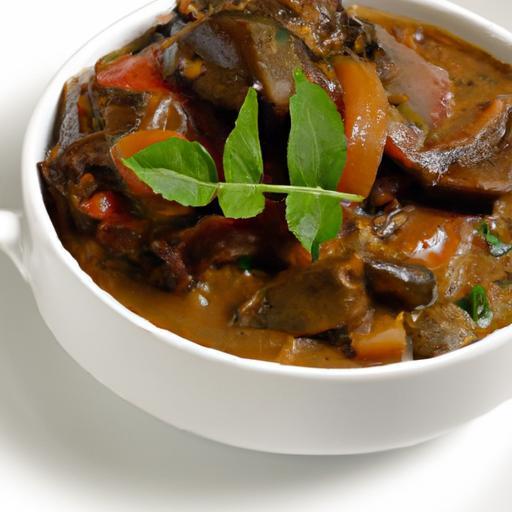
Beneath the rich aroma of simmering spices and tender meats lies a culinary treasure that has warmed hearts and tables for generations: pepperpot. More than just a stew, this vibrant dish is a tapestry woven with threads of history, culture, and tradition, each pot telling a story of resilience and celebration. From its roots in indigenous customs to its cherished place in Caribbean festivities, pepperpot unfolds as a spicy emblem of heritage and communal spirit. Join us as we uncover the layers of this flavorful tradition, exploring how pepperpot has simmered through time to become much more than a meal-it is a living testament to culture, connection, and the enduring power of food.
Pepperpot, a culinary treasure with roots stretching back centuries, is a vibrant stew that embodies the rich history and diverse cultures of the Caribbean and South America. This Pepperpot Uncovered reveals more than just a recipe; it is indeed a spicy tradition steeped in history, flavor, and ritual, inviting home cooks to connect with generations of food artisans through every simmering pot.
Prep and Cook Time
Readiness: 20 minutes | Cook Time: 3 hours 30 minutes
Yield
Serves 6-8 hearty portions
Difficulty Level
Medium – Requires patience but simple techniques
Key Ingredients Defining Pepperpot’s Character
- 2 lbs beef brisket or oxtail, cut into large chunks
- 1 cup cassareep (essential for authentic depth and color)
- 3 cups water or beef broth
- 2 large onions, finely chopped
- 4 cloves garlic, minced
- 2-3 Scotch bonnet peppers, whole (remove seeds to reduce heat)
- 1 tbsp brown sugar
- 2 sprigs fresh thyme
- 2 tbsp allspice berries
- 1 tbsp cinnamon sticks
- Salt and freshly ground black pepper, to taste
- 2 tbsp vegetable oil
- 2 cups diced cassava or yams (optional, for thickening and texture)
step-by-Step Instructions for an Authentic pepperpot
- Heat the vegetable oil over medium-high heat in a large, heavy-bottomed pot. Sear the beef brisket or oxtail pieces until browned on all sides, about 6-8 minutes. This caramelization builds the stew’s rich base flavor.
- Remove the meat and set aside. Lower the heat to medium, then add chopped onions and garlic to the same pot. Sauté until translucent and fragrant, about 5 minutes, stirring frequently to prevent browning.
- Return the meat to the pot and pour in the water or beef broth. Add cassareep, stirring to combine. this mysterious,thick syrup made from cassava is the soul of Pepperpot-imparting a luscious,smoky bitterness that transforms the dish.
- Add Scotch bonnet peppers whole for layered heat and the brown sugar for a subtle counterbalance. Tuck in thyme sprigs, allspice berries, and cinnamon sticks to infuse warm, aromatic notes that linger in every bite.
- Bring the stew to a gentle simmer.Reduce heat to low,cover,and cook slowly for 3 hours. Stir occasionally to prevent sticking and allow the flavors to intertwine and the meat to tenderize fully.
- About 30 minutes before finishing, add the cassava or yams if using, to thicken the stew naturally and add a satisfying bite. Continue simmering until root vegetables are soft.
- Season generously with salt and freshly ground black pepper to taste. Remove whole spices and Scotch bonnet peppers before serving unless you prefer extra spicy bites.
Chef’s Notes & Tips for Success
- Authenticity matters: Using cassareep is non-negotiable for true Pepperpot flavor.It’s often found in caribbean specialty stores or online. Avoid substitutes to preserve the dish’s essence.
- Meat alternatives: Beef brisket, oxtail, or even goat lend traditional richness. For a leaner option, substitute with boneless beef chuck.
- Slow cooking is key: Patience pays off with tender, juicy meat and a stew that thickens beautifully.
- Flavor layering: Whole spices and Scotch bonnet peppers should remain whole during cooking, releasing fragrance without overwhelming the palate.
- Make ahead: Pepperpot deepens in flavor overnight. Prepare a day ahead and gently reheat for a spectacular meal.
- Spice control: For less heat, remove seeds and keep fewer Scotch bonnets; for more heat, carefully pierce the peppers to release extra oils.
Serving Suggestions to Celebrate the tradition
Serve Pepperpot steaming hot with white rice or soft bread like your local hard dough bread to soak up the luscious sauce. Garnish with freshly chopped parsley or thyme sprigs to brighten the deep colors.A side of pickled vegetables or a crisp, green salad offers a pleasant contrast to the stew’s hearty warmth. For an authentic Caribbean feast, pair it with a glass of chilled sorrel or ginger beer.

| Nutrient | Per Serving (approx.) |
|---|---|
| Calories | 350 kcal |
| Protein | 28 g |
| carbohydrates | 15 g |
| Fat | 18 g |
For further culinary inspiration, explore our guide to Caribbean stew variations, or discover the extensive history of cassareep at Britannica.
Q&A
Q&A: Pepperpot Uncovered: A Spicy Tradition Steeped in History
Q1: What is Pepperpot, and where does it originate?
A1: pepperpot is a bold, aromatic stew that hails from the vibrant culinary heritage of the Caribbean, notably Guyana.It’s a rich tapestry of spices simmered with hearty ingredients, celebrated for its deep, robust flavors and cultural significance during festive occasions.
Q2: Why is Pepperpot considered more than just a dish?
A2: Beyond its tantalizing taste, Pepperpot is a symbol of community, history, and resilience. Traditionally enjoyed during holiday seasons,it embodies the spirit of togetherness-families and friends gather to share bowls of this spicy stew,passing down stories and traditions with each serving.
Q3: What are the key spices that give Pepperpot its distinctive flavor?
A3: Cassareep-the concentrated juice from the cassava root-is the magical backbone, imparting a smoky sweetness and natural preservative quality. Complementing this are warming spices like cinnamon, clove, hot chili peppers, allspice, and a hint of cassava syrup, blending to create Pepperpot’s signature sizzling complexity.
Q4: Is Pepperpot always made with meat? Are there vegetarian versions?
A4: While traditional Pepperpot often features beef or oxtail, its spirit is adaptable. Many cooks now craft vegetarian versions using hearty root vegetables, beans, or mushrooms, allowing the bold spices and cassareep to shine. This versatility ensures everyone can savor the dish’s vibrant flavors.
Q5: what role does cassareep play beyond flavor in Pepperpot?
A5: Cassareep is not onyl the essence of Pepperpot’s taste but also its great preserver. Historically, this thick, dark syrup allowed the stew to be stored for days without spoiling-a crucial trait before refrigeration. Its natural antibacterial properties helped maintain Pepperpot’s deep, spicy punch over time.
Q6: How is Pepperpot traditionally served and enjoyed?
A6: Typically, Pepperpot is served steaming hot alongside dense, starchy sides like bread or rice, perfect for soaking up the savory juices.The ritual of eating Pepperpot is slow and communal-each spoonful invites conversation and warmth, making it a meal that nourishes body and soul alike.
Q7: What cultural significance does Pepperpot hold in its native regions?
A7: Pepperpot is often reserved for significant celebrations,particularly Christmas and New year’s in Guyana and neighboring countries. It’s a taste of heritage,a festive hug in a bowl,connecting generations and honoring the ancestors who blended flavors from indigenous,African,and colonial influences.
Q8: Can Pepperpot be made ahead and stored?
A8: Absolutely! Actually, Pepperpot’s flavors deepen with time. Many cooks prepare it days in advance, letting the spices meld and intensify. Thanks to cassareep’s preservative properties, the stew can be kept for several days, making it a perfect dish for leisurely holiday feasts.
Q9: What makes pepperpot’s flavor profile stand out among Caribbean dishes?
A9: Pepperpot’s complexity is unmatched-its blend of smoky, sweet, spicy, and savory notes creates a uniquely layered experience. Unlike lighter caribbean stews, Pepperpot carries a hearty, almost meaty depth, thanks to cassareep and slow simmering, resulting in a stew that’s both fiery and comforting.
Q10: How can someone new to Pepperpot best experience this dish?
A10: Approach Pepperpot with an open palate and a sense of adventure. Whether at a cultural festival, a friend’s kitchen, or by making it yourself, savor it slowly-allow the bold spices, the sweet cassareep, and the rich textures to unfold bite by bite. It’s a journey into history, culture, and pure culinary passion.
Wrapping Up
As the final spoonful of pepperpot lingers on the palate, its layers of bold spices and rich history remind us that this dish is far more than just a meal-it is a living tapestry of culture, resilience, and tradition. From the bustling kitchens of the Caribbean to tables around the world,pepperpot connects generations through its fiery warmth and savory depth. By uncovering its spicy roots, we not only savor a unique culinary gem but also honor the stories and heritage simmering beneath every bite. So next time you taste pepperpot, remember you’re partaking in a centuries-old celebration of flavor and history, one hearty spoonful at a time.