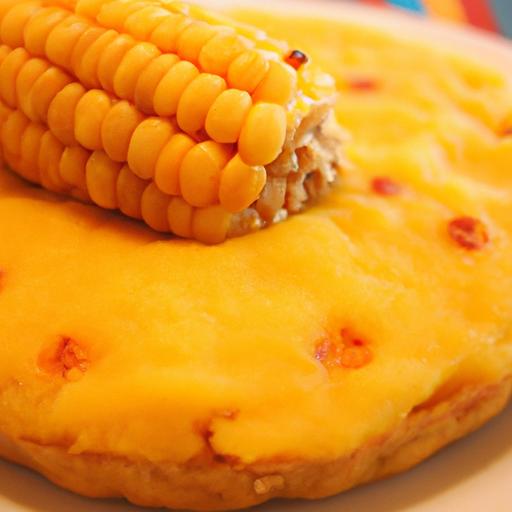

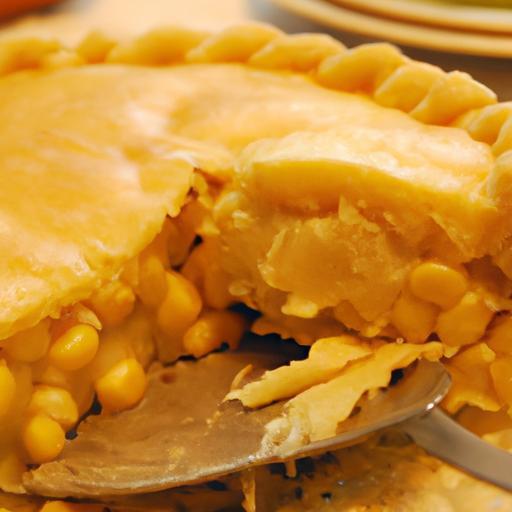
In the heart of Chilean cuisine lies a dish as rich in history as it is in flavor: Pastelera de choclo. This beloved corn pie, a warm mosaic of sweet and savory, tells a story that stretches back to the fertile fields and vibrant markets of Chile. More than just a meal,Pastelera de Choclo is a cherished slice of tradition,a comforting blend of indigenous ingredients and colonial influences that has delighted generations. Join us as we explore the origins,cultural meaning,and mouthwatering essence of this iconic Chilean delicacy-a true culinary treasure that captures the spirit of a nation in every bite.
Pastelera de Choclo is more than just a dish; it embodies the heart of Chilean tradition through its unique blend of sweet and savory flavors that celebrate the country’s agricultural heritage. This iconic Chilean corn casserole combines fresh, tender corn with a rich, aromatic filling, showcasing the natural sweetness of choclo-the native Chilean corn-and the warm spices that highlight its deep cultural roots. Growing up in Santiago, the smell of pastelera de choclo baking was the essence of family gatherings, evoking comfort and togetherness with every mouthful. today, crafting this dish at home is an invitation to share in Chile’s vibrant culinary story while indulging in a perfectly balanced flavor harmony that is both nostalgic and brilliantly fresh.
Prep and Cook Time
- Readiness: 30 minutes
- Cooking: 50 minutes
- Total Time: 1 hour 20 minutes
Yield
Serves 6 generous portions
Difficulty level
Medium – approachable for home cooks eager to explore traditional Latin American flavors
Ingredients
- for the Corn Topping:
- 5 cups fresh corn kernels (about 6 ears of corn) or 4 cups frozen, thawed
- 1/2 cup whole milk
- 2 tbsp unsalted butter
- 2 tbsp granulated sugar
- Salt to taste
- For the Filling:
- 1 cup diced chicken breast or shredded cooked chicken
- 1 large onion, finely chopped
- 2 cloves garlic, minced
- 1/2 cup black olives, pitted and sliced
- 1/2 cup raisins (soaked in warm water for 10 minutes and drained)
- 1/2 cup hard-boiled eggs, sliced
- 2 tbsp vegetable oil
- 1 tsp ground cumin
- 1 tsp paprika
- Salt and freshly ground black pepper to taste
Instructions
- Prepare the Corn Topping: Place the corn kernels in a food processor and pulse until coarsely ground. Transfer to a saucepan and add the whole milk, butter, and sugar. cook over medium heat, stirring frequently to prevent sticking, until the mixture thickens and the corn is tender, about 15 minutes. Season with salt, then remove from heat and set aside.
- Make the Filling: Heat vegetable oil in a large skillet over medium heat. Add the chopped onion and sauté until translucent, about 5 minutes. Stir in minced garlic, ground cumin, and paprika; cook for another minute until fragrant.
- Add Chicken and Flavorings: Incorporate the diced chicken, stirring well to combine. Cook until the chicken is heated through and lightly browned, about 8 minutes. Season with salt and pepper. Remove from heat and fold in sliced olives and soaked raisins,adding a distinct sweet-savory complexity.
- Assemble the Pastelera: Preheat your oven to 375°F (190°C).Spread the chicken filling evenly in a buttered baking dish (about 9×13 inches). Arrange slices of hard-boiled eggs atop the filling for visual and textural contrast.
- Top with Corn Mixture: Spoon the thickened corn topping over the filling, gently smoothing it with a spatula to cover completely.
- Bake: Place the dish in the oven and bake uncovered for 30-35 minutes, or until the corn topping is golden and bubbling.
- Rest and Serve: Let the pastelera de choclo rest for 10 minutes before serving to allow the flavors to meld perfectly and make slicing easier.
Tips for Success
- Fresh corn vs. Frozen: Fresh, sweet Chilean choclo is ideal, but frozen kernels work beautifully if fresh isn’t available. Thaw completely and drain excess moisture for best results.
- Texture Matters: Keep the corn topping slightly coarse; pureeing it too finely will lose the rustic charm and mouthfeel.
- Raisins and Olives: These elements are key for the signature sweet-savory dynamic. Soaking raisins helps them plump and soften, blending seamlessly into the filling.
- Make Ahead: Prepare the filling and corn topping separately a day ahead. Assemble before baking to save time on a busy evening.
- Substitutions: For a vegetarian variation, replace chicken with sautéed mushrooms or lentils for a similar depth of flavor and texture.
Serving suggestions for Pastelera de Choclo
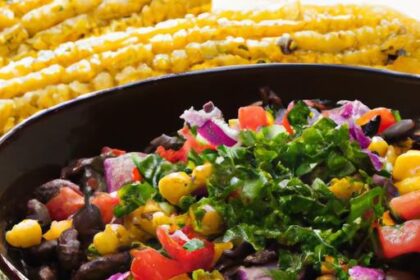
Serve slices of pastelera de choclo warm, garnished with fresh chopped parsley or a sprinkle of smoked paprika for added color. Traditional Chilean sides like pebre salsa or a crisp, lightly dressed green salad with avocado balance the richness beautifully. For a hearty meal, accompany with quinoa or rice seasoned with cilantro. A chilled glass of chilean fruit juice or herbal tea makes for a refreshing complement without overpowering the dish’s delicate flavors.

| Nutrient | Per Serving |
|---|---|
| Calories | 320 kcal |
| Protein | 22 g |
| Carbohydrates | 30 g |
| Fat | 12 g |
Q&A
Q&A: Pastelera de Choclo: A Sweet Slice of Chilean Tradition
Q1: What is Pastelera de Choclo?
A1: Pastelera de Choclo is a cherished Chilean dish that beautifully celebrates the country’s agricultural bounty. At its heart,it is a layered corn casserole featuring a golden,slightly sweet crust made from fresh ground corn (choclo). Traditionally baked until bubbly and lightly caramelized,it marries savory and sweet flavors in a truly comforting way.
Q2: How does Pastelera de Choclo differ from other corn-based dishes?
A2: unlike typical cornbread or polenta, Pastelera de Choclo is more of a casserole with distinct layers. The bottom layer is often a savory filling-usually made with seasoned beef and aromatic onions-topped with a creamy, naturally sweet corn mash. This contrast of textures and tastes makes it unique and emblematic of Chilean home cooking.
Q3: What ingredients are essential in making an authentic pastelera de Choclo?
A3: Fresh, creamy corn is the star ingredient, ideally freshly harvested or frozen to preserve its natural sweetness. Ground beef or sometimes chicken seasoned with cumin, paprika, onions, and a touch of garlic forms the savory base. Sweet basil leaves are also a traditional ingredient, adding a subtle herbal brightness that complements the sweetness of the corn topping.
Q4: Why is basil significant in Pastelera de Choclo?
A4: Basil might seem an unexpected addition,but it plays a vital role in balancing the dish’s flavor profile. Its aromatic, slightly peppery notes contrast the richness of the meat and the sweetness of the corn, providing freshness and depth. Basil also links Pastelera de Choclo to Chilean summer gardens, where fresh herbs grow abundantly.
Q5: Is Pastelera de Choclo considered a dessert or a main dish?
A5: Despite its hint of sweetness in the corn topping,pastelera de Choclo is definitely a main course. It stands as a complete meal, often enjoyed during lunchtime or festive gatherings. Its hearty meat filling combined with the creamy, sweet corn creates a balanced dish that satisfies without being overly sweet.
Q6: Can pastelera de Choclo be adapted for dietary preferences?
A6: Absolutely! For those seeking a vegetarian version, the meat can be replaced with hearty vegetables like mushrooms, or a medley of seasoned legumes and quinoa. The corn topping remains the star, and alternative herbs can maintain its lively flavor. This adaptability has helped pastelera de Choclo endure and evolve in modern kitchens.
Q7: What cultural significance does Pastelera de Choclo hold in Chile?
A7: Pastelera de Choclo is more than just a dish-it’s a symbol of Chilean identity and tradition. It reflects the country’s agricultural roots,the importance of corn in the diet,and the warmth of family gatherings. Often served in homes during the summer corn harvest or special occasions, it’s a culinary bridge between generations.
Q8: How is Pastelera de Choclo traditionally served?
A8: This dish is typically served hot, straight from the oven, showcasing its golden-bubbly top.It pairs beautifully with a simple green salad or light pickled vegetables,allowing the rich flavors to take center stage. In Chile, it’s common to enjoy Pastelera de Choclo accompanied by a glass of fresh fruit juice or a classic Chilean lemonade.
Q9: What makes the corn topping so special in Pastelera de Choclo?
A9: The topping is made from fresh corn kernels ground into a coarse puree, often blended with milk, sugar, and a hint of butter. This mixture is spooned over the savory filling and bakes into a lush, slightly sweet crust that caramelizes lightly, adding texture and an irresistible aroma to the dish.
Q10: Why is Pastelera de Choclo considered a must-try for visitors to Chile?
A10: Sampling Pastelera de Choclo offers a flavorful gateway into Chilean culinary heritage. It’s a dish that tells a story-the harmony of land and people, the bounty of the harvest, and the comfort of shared meals. For visitors,it’s an edible memory that encapsulates the heart and soul of Chilean home cooking.
Insights and Conclusions
As we savor the final crumbs of Pastelera de Choclo, it’s clear that this humble Chilean delight is much more than a simple dessert-it is a vibrant slice of culture, history, and familial warmth all baked into one golden crust. From the juicy sweetcorn to the creamy custard-like filling,each bite carries the echoes of ancestral kitchens and festive gatherings,inviting us to taste not just a recipe,but a tradition preserved through generations. Whether you’re discovering Pastelera de Choclo for the first time or revisiting a beloved favorite, this sweet slice of Chile offers a delicious reminder that food is often the most heartfelt storyteller of all.