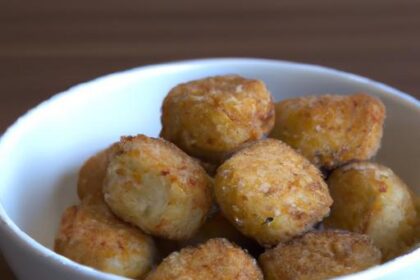
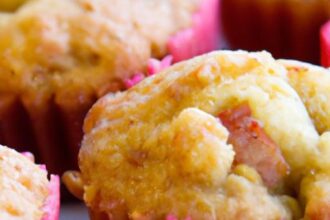

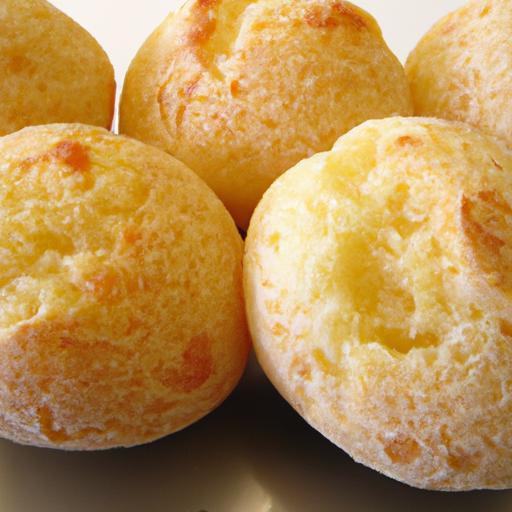
Golden, fluffy, and irresistibly cheesy-Pão de Queijo is more than just a snack in Brazil; it’s a beloved cultural treasure that has captured the hearts (and taste buds) of people around the world. This small, round cheese bread, with its crisp exterior and soft, elastic interior, embodies the perfect harmony of simple ingredients transformed by tradition and passion. Journey with us into the origins, recipe secrets, and enduring charm of Brazil’s iconic Pão de Queijo, a delightful treat that invites everyone to savor a bite of South American comfort and culinary artistry.
Origins and Cultural Meaning of Pão de Queijo in Brazilian Cuisine
Pão de Queijo is more than just a beloved cheese bread; it embodies the heart and soul of Brazilian comfort food. Originally from the state of Minas Gerais, this golden, fluffy delight traces back to the 18th century when indigenous tapioca starch and locally sourced cheese merged to create a gluten-free staple. As one of Brazil’s most iconic snacks, pão de queijo is savored morning, noon, and night-whether paired with robust coffee at breakfast or enjoyed as a crispy, cheesy bite on the bustling streets of São paulo. this bread carries the warmth of family gatherings and regional traditions, symbolizing community and joyous celebration across the contry.
the Secret Ingredients That Make Pão de Queijo Uniquely Cheesy and Fluffy
The magic of pão de queijo lies in its unique combination of tapioca starch and queijo Minas, a fresh Brazilian cheese that melts perfectly without overpowering the subtle sweetness of the dough. Tapioca starch provides that signature chewy yet airy texture, while the cheese infuses every bite with a creamy, savory richness. Unlike wheat flour, tapioca creates an irresistible elasticity, making pão de queijo naturally gluten-free and light. Incorporating eggs and a touch of milk rounds out the batter, creating a melting, bustling textural contrast between a crisp exterior and a pillow-soft interior that keeps people reaching for just one more.
Prep and Cook Time
- Prep Time: 15 minutes
- Cook time: 20 minutes
- Total Time: 35 minutes
Yield
- Makes approximately 20 small rolls
Difficulty Level
- Easy – perfect for beginners and experienced bakers alike
Ingredients
- 2 cups tapioca starch (also called tapioca flour)
- 1 cup whole milk
- ½ cup vegetable oil (or mild olive oil)
- 1 teaspoon salt
- 2 large eggs
- 1 ½ cups grated queijo Minas (or substitute with mozzarella and Parmesan mix)
Step by Step Guide to Baking Authentic Pão de Queijo at Home
- Preheat your oven to 375°F (190°C) and line a baking sheet with parchment paper or a silicone baking mat.
- In a medium saucepan, combine the milk, oil, and salt, and bring the mixture just to a boil over medium heat. Remove from heat instantly.
- Pour the hot liquid into a large mixing bowl containing the tapioca starch. Stir vigorously with a wooden spoon until the dough comes together into a sticky mass and is slightly cooled.
- Let the dough cool for 5 minutes, then add the eggs one at a time, mixing thoroughly after each addition until fully incorporated and smooth.
- Fold in the grated queijo Minas or your cheese blend until evenly distributed.
- Using wet hands or a small cookie scoop, shape the dough into golf-ball-sized rounds and place them evenly spaced on your prepared baking sheet.
- Bake for 18-20 minutes, or until the tops turn a lightly golden hue and the bread puffs up beautifully with a slight crust.
- Remove from oven and allow to cool slightly before serving warm and irresistibly cheesy.
Tips for Success
- For best texture, use fresh tapioca starch and finely grated cheese; pre-shredded cheese often contains anti-caking agents that affect melting.
- If your dough feels too dry, add a teaspoon of warm milk at a time-too wet, dust with a bit more tapioca starch.
- Do not skip preheating-pão de queijo needs a hot oven to puff up correctly and develop a delicate crust.
- For a sharper flavor profile, experiment with mixing in half Parmesan cheese alongside the queijo Minas substitute.
- Make ahead: Freeze formed dough balls on a tray, then transfer to a resealable bag and bake directly from frozen by adding a couple of extra minutes.
Pairing Suggestions and Serving Tips to Elevate your Pão de Queijo Experience
To truly elevate your pão de queijo, serve it piping hot with freshly brewed strong Brazilian coffee or a creamy bolo de coco for an authentic breakfast pairing.For brunch or snack time, accompany these cheesy delights with a tangy mango salsa or a zesty chimichurri dipping sauce to add contrast. Garnish with a sprinkle of finely chopped fresh parsley or a pinch of smoked paprika for a pop of color and subtle smoky aroma. Pão de queijo also shines alongside radiant fruit juices like freshly squeezed orange or guava nectar, creating a harmonious balance between savory and sweet.

Nutritional Information
| Nutrient | Per Serving (1 roll) |
|---|---|
| Calories | 85 kcal |
| Protein | 3 g |
| Carbohydrates | 10 g |
| fat | 4 g |
For more conventional Brazilian bread recipes, explore our Traditional Brazilian Breads collection.To learn about the science behind tapioca starch and gluten-free baking, check out this detailed Britannica article.
Q&A
Q&A: Pão de Queijo – Brazil’s Irresistible Cheesy Bread Delight
Q1: What exactly is Pão de queijo?
A1: Pão de Queijo, translating to “cheese bread” from Portuguese, is a small, puffed Brazilian bread roll bursting with cheesy flavor. Made primarily from tapioca flour and cheese, it boasts a delightfully chewy texture on the inside and a crisp, golden crust on the outside. It’s a beloved snack and breakfast staple across Brazil.
Q2: What makes Pão de Queijo so unique compared to other breads?
A2: Unlike traditional wheat breads, Pão de Queijo’s secret is in its tapioca starch base, which not only gives it a naturally gluten-free profile but also creates that signature light, airy, and elastic texture. The cheese melts inside, creating little pockets of gooey, savory goodness that make every bite utterly irresistible.
Q3: Which types of cheese are commonly used in Pão de Queijo?
A3: The most traditional cheese is Minas cheese, a fresh, slightly tangy cheese from the Brazilian state of Minas Gerais. However, mozzarella or Parmesan can also be used, offering variations in flavor and intensity. The choice of cheese influences the bread’s aroma and richness but always keeps it wonderfully cheesy.
Q4: How is Pão de Queijo traditionally prepared?
A4: The process begins by heating milk, oil, and salt, then mixing this hot liquid with tapioca flour to create a gelatinous dough.Once the dough cools slightly, grated cheese and eggs are incorporated. This dough is then shaped into small balls and baked until golden and puffed up, ready to be enjoyed warm.
Q5: when and how do Brazilians usually enjoy Pão de Queijo?
A5: Pão de Queijo is a versatile treat eaten any time of day-commonly for breakfast alongside a cup of coffee, as a mid-morning snack, or even as a party appetizer. It’s beloved for its portability and comforting flavor, making it a go-to comfort food in homes, bakeries, and street stalls alike.
Q6: Can Pão de Queijo be made gluten-free?
A6: Absolutely! As tapioca flour is naturally gluten-free, Pão de Queijo is a perfect option for those avoiding gluten. Its chewy texture and flavor don’t rely on wheat flour, allowing everyone to savor this traditional Brazilian delight without worry.
Q7: Are there any creative twists on the classic Pão de Queijo recipe?
A7: Indeed, chefs and home cooks alike enjoy experimenting by adding herbs like rosemary or oregano, incorporating other cheeses for unique flavor blends, or even mixing in spices such as smoked paprika for a subtle kick. Sweet versions with fillings like guava paste or dulce de leche also exist, turning this savory bread into a delightful dessert.
Q8: What cultural significance does Pão de Queijo hold in Brazil?
A8: Pão de Queijo is more than just a snack-it’s a symbol of brazilian hospitality and tradition. Originating from the Minas Gerais region,it carries centuries of history rooted in local ingredients and indigenous culinary influences. Sharing Pão de Queijo often evokes feelings of warmth, family, and celebration.
Q9: How can someone outside Brazil get a taste of authentic Pão de Queijo?
A9: Thanks to the rise of Brazilian restaurants worldwide and the availability of tapioca flour in international markets, home cooks can recreate Pão de Queijo in their own kitchens with relative ease. Many specialty stores also sell authentic Pão de Queijo frozen and ready to bake, bringing a slice of Brazil to tables around the globe.
Q10: What’s the best way to enjoy Pão de Queijo fresh from the oven?
A10: The magic of Pão de Queijo shines brightest when it’s hot and fresh-crispy on the outside, melty and cheesy inside. Enjoy them plain to savor the pure, cheesy goodness, or pair with a creamy cappuccino or fresh fruit for a harmonious culinary experience. Just be careful-the first bite might make you want to reach for another!
Future Outlook
From its humble origins in the heart of Minas Gerais to becoming a beloved treat savored across Brazil and beyond, pão de queijo embodies more than just a bread-it’s a warm, cheesy embrace that tells a story of tradition, culture, and culinary ingenuity. Whether enjoyed fresh from the oven with a cup of strong coffee or shared among friends as an anytime snack, this golden, airy delight continues to captivate taste buds and hearts worldwide. So next time you unwrap a piping-hot pão de queijo, remember you’re savoring a piece of Brazil’s rich heritage-one irresistible, cheesy bite at a time.