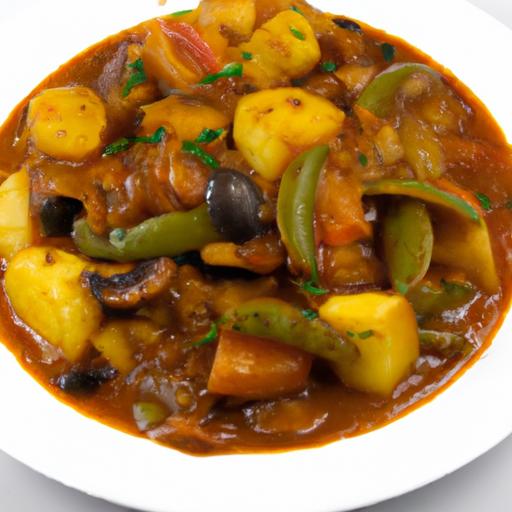

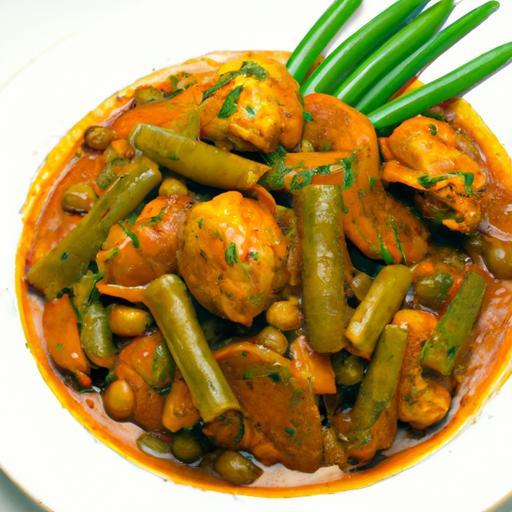
Nestled within the vibrant kitchens of the caribbean lies a dish rich in history, culture, and irresistible aroma-Oil down. More then just a stew,Oil down is a culinary tapestry woven from the islands’ abundant local ingredients and centuries-old traditions. This beloved one-pot meal, bursting with bold flavors and hearty textures, tells a story of community gatherings, ancestral heritage, and the island spirit itself. In this exploration, we’ll dive deep into the origins, ingredients, and variations of Oil Down, uncovering the secrets behind the Caribbean’s most flavorful stew and why it continues to hold a cherished place on tables across the region.
Origins and Cultural significance of Oil Down in Caribbean Cuisine
Oil Down Uncovered: Exploring the Caribbean’s Flavorful Stew begins with a journey deep into the heart of Grenada’s culinary soul. This iconic one-pot dish carries centuries of history, tradition, and communal spirit wrapped into every simmering leaf and tender chunk. Originally crafted by enslaved Africans who skillfully married local and imported ingredients,Oil down is more than sustenance-it’s a festivity served bubbling hot in homes and festivals across the Caribbean.
this stew’s name comes from the process where all the rich, savory oils from coconut milk, spices, and vegetables “go down” into the ingredients below. Traditionally made during gatherings, Oil Down is a dish of togetherness, offering warmth, comfort, and cultural identity. Today, it remains a festive staple, symbolic of resilience, creativity, and the island’s stunning bounty.
Key Ingredients and Their Unique Contributions to the Stew’s Flavor
Every component in this vibrant pot plays a crucial role in creating the complex, layered flavor profile that defines Oil Down Uncovered. At its core, the dish relies on fresh coconut milk for a creamy base and natural sweetness balanced by aromatic scotch bonnet peppers that add tropical heat without overwhelming the palate.
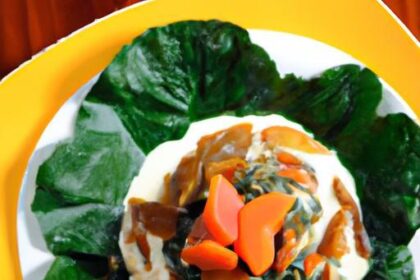
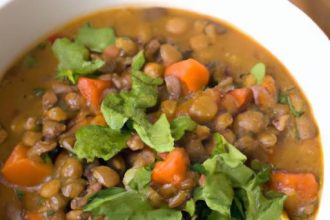
Breadfruit and dumplings soak up the flavors, lending hearty texture and starchy comfort. The inclusion of callaloo (or spinach) introduces an earthy, slightly bitter freshness, while ginger and turmeric inject warm zing and beautiful golden hues. A touch of thyme, garlic, and onions complete the aromatic profile, balancing the richness with brightness and depth.
Step-by-Step Guide to Crafting the perfect Oil Down at Home
prep and Cook Time
- Preparation time: 20 minutes
- Cooking time: 1 hour 15 minutes
- Total time: 1 hour 35 minutes
Yield
- Serves: 6 hearty portions
Difficulty Level
- Medium – requires attention to layering and timing for perfect texture
Ingredients
- 3 cups fresh coconut milk (preferably homemade or unsweetened canned)
- 2 medium breadfruits, peeled and cut into chunks
- 12 frozen or fresh dumplings (small dough pieces)*
- 2 cups callaloo or spinach, roughly chopped
- 2 large carrots, sliced diagonally
- 1 large onion, finely chopped
- 4 cloves garlic, minced
- 1-inch piece fresh ginger, grated
- 2 scotch bonnet peppers, whole (pierced with fork) – for heat control
- 1 teaspoon turmeric powder
- 1 teaspoon fresh thyme leaves or 1/2 teaspoon dried thyme
- 2 tablespoons vegetable oil (neutral, e.g., sunflower or grapeseed)
- Salt and freshly ground black pepper, to taste
- Juice of 1 lime (optional, for brightness)
Instructions
- Prepare the base: In a large, heavy-bottomed pot, heat the vegetable oil over medium heat. Add the onion, garlic, and ginger, sautéing until translucent and fragrant-about 5 minutes. Stir often to avoid browning.
- Create the flavor foundation: Sprinkle in turmeric and thyme, mixing thoroughly to coat the aromatics with spices. Add sliced carrots and gently sauté for 3 minutes to release their sweetness.
- Assemble the layers: Begin with breadfruit chunks at the bottom of the pot, followed by dollops of dumplings scattered between them. pour in the coconut milk slowly, then nestle the callaloo or spinach on top. Place the whole scotch bonnet peppers carefully on the surface, piercing them lightly with a fork to gradually infuse heat.
- Bring to a gentle simmer: Cover the pot tightly with a lid and lower the heat. Let it cook for approximately 1 hour,checking occasionally to ensure it is not sticking-add a splash of water if it seems too dry.
- Finish and season: When the coconut milk has mostly “gone down” and the breadfruit is tender, remove the lid.season generously with salt and black pepper. Squeeze fresh lime juice over the top for a lively contrast if desired.
- Rest before serving: Allow the stew to sit, covered, off the heat for 5 minutes so all the flavors meld perfectly.
Tips and Variations for Personalizing Your oil Down Experience
To customize your rendition of this Caribbean classic, experiment with these flavorful twists:
- Vegetarian delight: Use hearty root vegetables like sweet potatoes or yams to enrich textures instead of breadfruit.
- Protein boost: Incorporate skinless chicken thighs or fish chunks for additional substance while keeping the dish pork-free.
- Flavor layers: Add sliced tomatoes or bell peppers to increase acidity and color vibrancy.
- Heat adjustment: Remove the scotch bonnet peppers after cooking to moderate spiciness,or substitute with milder chili varieties.
- Make ahead: Oil down tastes even better the next day as flavors deepen; store refrigerated and reheat gently with a splash of coconut milk.
- Serving tip: Garnish with fresh chopped cilantro or scallions to add a burst of green and fresh aromatics.
Serving Suggestions
Present your Oil Down steaming hot in a deep bowl, letting the vibrant layers shine through. Pair it with a simple green salad dressed with lime vinaigrette,or a side of fluffy jasmine rice to soak up the juices. A chilled tropical fruit juice or coconut water perfectly complements the aromatic richness and charms the palate.
For a striking plate, add a sprig of fresh thyme on top and a wedge of lime for added zing and color contrast.

| Nutrient | Per Serving |
|---|---|
| Calories | 320 kcal |
| Protein | 6 g |
| Carbohydrates | 45 g |
| Fat | 12 g |
For more tasty Caribbean classics and complementary dishes, check out our guide to Caribbean Jerk Chicken. to deepen your knowlege on coconut milk’s culinary uses,visit National Geographic’s cultural food article.
Q&A
Q&A: Oil Down Uncovered: Exploring the Caribbean’s Flavorful Stew
Q1: What exactly is Oil Down?
A: Oil Down is a beloved one-pot stew that hails from Grenada, a vibrant island in the Caribbean. its name comes from the deliciously oily broth that “goes down” as you eat it, rich with coconut milk which imbues every ingredient with a creamy, tropical essence. this hearty dish is more than just food-it’s a cultural celebration served during gatherings, family meals, and lively festivals.
Q2: What makes Oil Down so unique among Caribbean dishes?
A: what sets Oil Down apart is its remarkable combination of flavors and textures steeped in tradition. Layers of breadfruit, dumplings, callaloo (a leafy green similar to spinach), and salted meats are simmered slowly in coconut milk infused with aromatic herbs and spices like turmeric, thyme, and Scotch bonnet peppers. The coconut milk breaks down slowly, creating a naturally rich and oily sauce that bathes the ingredients in a comforting embrace.
Q3: Can you describe the typical ingredients in an authentic Oil Down?
A: Certainly! Staples include breadfruit, which is the starchy heart of the stew, tender dumplings that soak up the sumptuous broth, callaloo for freshness, and salted meats or fish that add a savory punch. The magical touch is the coconut milk, spiced with local seasonings such as garlic, onions, turmeric, and Scotch bonnet peppers for heat. These ingredients meld together, providing a complex, layered flavor that is both exotic and homey.
Q4: Is Oil Down vegetarian-friendly or adaptable for different diets?
A: Absolutely! While traditionally prepared with salted meats or fish, the stew beautifully adapts to vegetarian and vegan preferences by simply emphasizing vegetables, dumplings, breadfruit, and callaloo. Using smoked or salted plant-based alternatives or umami-rich ingredients like mushrooms can help maintain the stew’s hearty and savory profile, ensuring anyone can enjoy this Caribbean classic.
Q5: How is Oil Down typically served and enjoyed in Grenadian culture?
A: Oil Down is usually cooked in a large pot and served family-style, often during special occasions or community events. It’s a dish that brings people together,encouraging sharing and storytelling around the table. The act of eating Oil Down is communal and tactile-using hands to savor the rich mix is just as much a part of the experience as the food itself. It’s nourishment for both body and soul.
Q6: What’s the historical significance of Oil Down in Caribbean culture?
A: Oil Down carries layers of history, reflecting Grenada’s indigenous roots and african heritage, as well as influences from other island cultures. It was originally a fisherman’s stew,made with whatever was locally abundant and affordable-breadfruit,wild greens,salted fish. Today, it symbolizes resilience and community, cherished as a national dish that connects generations through shared tradition.
Q7: Can Oil Down be made outside the caribbean,and what should home cooks keep in mind?
A: Definitely! home cooks can recreate this stew by sourcing key ingredients at Caribbean or specialty markets.Breadfruit can be substituted with starchy vegetables like green bananas or plantains if unavailable. The secret lies in layering flavors patiently and simmering slowly to let the coconut milk thicken and infuse everything with its rich, silky essence. Patience and respect for the process unlock the dish’s true character.
Q8: What makes the cooking process of oil Down so special?
A: The magic is in the slow simmering, where ingredients meld together as the coconut milk reduces to a luscious sauce that “oils down” the entire pot. This patient cooking melds spices, starches, and savory elements until each bite is bursting with flavor. The process itself is a ritual-inviting mindfulness and communal participation, often shared by multiple cooks and tasters eager to celebrate every stage of the stew’s transformation.
Discovering Oil Down is not just about tasting a stew; it’s about diving into centuries of Caribbean culture, ingenuity, and warmth-one flavorful scoop at a time.
Closing remarks
As the rich aromas of breadfruit, salted meat, and vibrant vegetables meld in the simmering pot, Oil Down reveals itself as more than just a stew-it is a delicious tapestry woven from the Caribbean’s history, culture, and communal spirit.Each spoonful tells a story of resilience and creativity, of generations gathering around the table to share warmth and tradition.By uncovering the layers of this flavorful dish,we gain not only a deeper appreciation for its ingredients but also a taste of the vibrant Caribbean soul that continues to nourish and inspire. So next time you dive into a bowl of Oil Down, remember: you’re savoring a heritage as rich and diverse as the islands themselves.