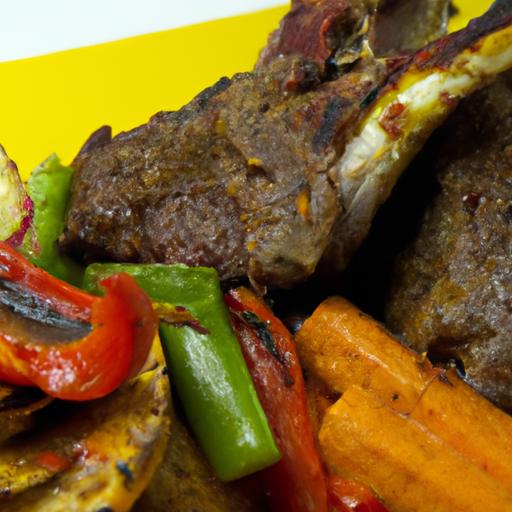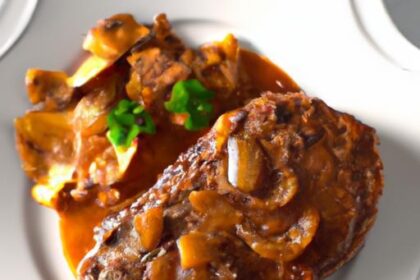

There’s a sizzling magic that wafts through the air across East Africa-a smoky aroma that beckons communities too gather, stories to be shared, and celebrations to ignite.This is Nyama Choma, the beloved grilled meat tradition that transcends mere cuisine to become a vibrant cultural experience. More than just perfectly charred meat, Nyama Choma tells tales of heritage, hospitality, and the simple joy of savoring food slow-cooked over open flames. In this ultimate guide, we’ll explore the origins, techniques, and social significance of East Africa’s grilled delight, inviting you to discover why Nyama Choma holds a special place in hearts and on plates from Kenya to Tanzania and beyond.
Origins and Cultural significance of Nyama Choma in East africa
Nyama Choma, the quintessential East African grilled delight, holds a cherished place in the hearts and homes of many. This flavorful tradition isn’t just about food; it’s a vibrant festivity of community, hospitality, and heritage. Originating from the Swahili phrase meaning “grilled meat,” Nyama Choma traces its roots to the pastoralist communities of Kenya, Tanzania, and Uganda where sharing freshly roasted meat over open flames was more than sustenance-it was a binding ritual among friends and family. Over time, Nyama Choma has evolved into a social experience ofen enjoyed at outdoor gatherings, lively barbecues, and celebratory feasts.
The intoxicating aroma of smoky charcoal, combined with succulent, tender cuts of meat, creates an irresistible atmosphere, evoking memories of laughter, music, and connection. Whether served at bustling street joints or backyard cookouts, the dish remains a symbol of east African identity and hospitality. Experiencing Nyama Choma means sharing a part of this rich cultural story-an ancient art passed through generations and savored with reverence.
Selecting the Perfect Cuts and Marinades for Authentic Flavor
Choosing the right cuts of meat is the cornerstone of crafting authentic Nyama Choma. Traditionally, beef is the star, but goat and sometimes lamb are equally celebrated for their rich flavors. Look for well-marbled cuts like ribeye, sirloin, or beef brisket that will stay juicy and tender over the grill’s high heat. For goat, shoulder or leg cuts work beautifully, providing a robust taste ideal for flame cooking.
Marination is deceptively simple but essential; the goal is to enhance the natural flavor without overpowering it. A classic Nyama Choma marinade typically involves coarse salts,freshly crushed garlic,ginger,a squeeze of lemon,and a handful of finely chopped fresh herbs such as rosemary or thyme. Some variations introduce a hint of African chili for subtle heat or a splash of traditional East african spices to elevate the depth of flavor.
Mastering the Art of Grilling Nyama Choma to Perfection
Grilling Nyama Choma is as much about technique as it is about passion. Begin by preparing your charcoal fire until it burns down to glowing red embers, providing a consistent medium-high heat that cooks the meat evenly.Place the marinated meat pieces on a clean grill grate, maintaining enough space to allow heat circulation and to avoid steaming the meat.
Grill each side for 5-7 minutes depending on thickness, turning once or twice to develop a gorgeous crust enriched with smoky notes. Patience is key. Resist the temptation to poke or slice the meat early; letting it rest on the grill ensures the juices remain locked inside, delivering melt-in-your-mouth tenderness.
Finish off the grilling session with a quick sear over the hottest embers to intensify the charred aroma. Allow the meat to rest briefly before slicing, which enhances the flavor and makes the experience truly memorable.
Pairing Nyama Choma with Traditional Sides and Refreshing beverages
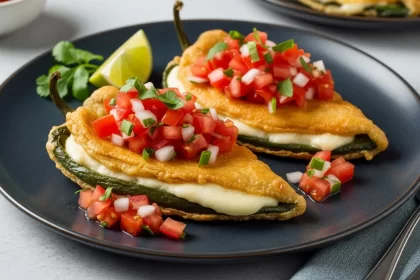
Nyama Choma’s robust, smoky flavor calls for side dishes that complement without competing. Traditional accompaniments include ugali (a firm maize meal porridge), kachumbari (a zesty tomato and onion salad), and nyama choma sukuma wiki (sautéed collard greens), which refresh the palate and balance the richness of the meat.
To further elevate your feast, serve with chilled fermented milk (mala) or tamarind-ginger sodas to cut through the smoky intensity and provide a crisp, invigorating finish.For an authentic experience, consider inviting guests to share the meal outdoors, embracing the origins of the dish and its communal spirit.
Nyama Choma Recipe Details
Prep Time: 15 minutes
Cook Time: 20-25 minutes
Yield: Serves 4
Difficulty Level: Medium
Ingredients
- 2 lbs beef ribeye or sirloin, cut into 1.5-inch thick steaks
- 2 tsp coarse sea salt
- 4 cloves garlic, minced
- 1 tbsp fresh ginger, grated
- Juice of 1 lemon
- 2 tbsp fresh rosemary, finely chopped
- 1 tsp freshly ground black pepper
- 2 tbsp vegetable oil
- Charcoal or hardwood lump charcoal for grilling
Instructions
- Prepare the marinade: In a mixing bowl, combine minced garlic, grated ginger, lemon juice, rosemary, black pepper, salt, and vegetable oil. Whisk until well blended.
- Marinate the meat: Rub the marinade generously over the beef cuts, coating all surfaces. Cover and refrigerate for at least 2 hours, or overnight for deeper flavor penetration.
- Prepare the grill: Light charcoal and allow it to burn down until glowing embers form a consistent medium-high heat bed. Arrange coals evenly for direct grilling.
- Grill the meat: Place meat on the grill grate and cook for 5-7 minutes per side without moving it excessively. Turn once to develop a robust crust while locking in juices.
- Finish with sear: move meat over the hottest embers briefly to deepen charred notes, about 1-2 minutes per side.
- Rest the meat: Remove from grill and let rest on a cutting board for 5 minutes to redistribute juices.
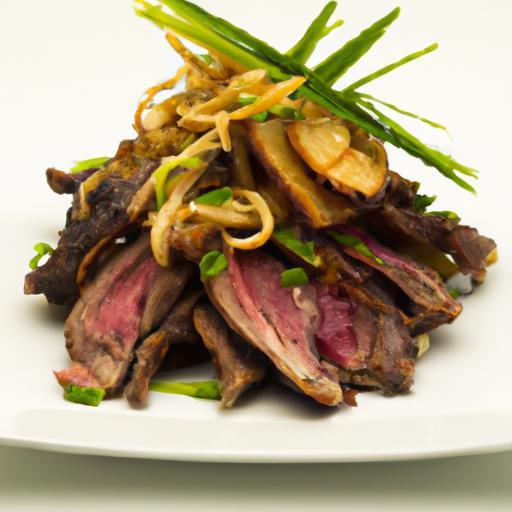
- Slice and serve: Cut across the grain into thin slices, plate with traditional sides, and garnish with fresh herbs or lemon wedges.
Tips for Success
- Use lump charcoal or hardwood for authentic smokiness; avoid briquettes with additives.
- Marinating longer delivers more tender meat but avoid acidic over-marinating beyond 12 hours to prevent texture breakdown.
- maintain consistent heat-flare-ups can burn without cooking through; keep a spray bottle filled with water nearby to manage flames.
- Resting the meat post-grill is crucial for juicy, tender slices.
- For goat or lamb variations, increase grilling time slightly for thorough cooking.
serving Suggestions
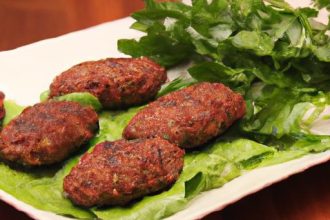
Arrange Nyama Choma on a rustic wooden board or traditional banana leaves for authenticity. Serve alongside warm ugali and a radiant, refreshing kachumbari salad made of juicy diced tomatoes, onions, cilantro, and a splash of lime. Garnish with whole fresh chili or lemon wedges for vibrant color and extra zing.Complement with chilled fermented milk beverages or ginger tamarind soda to balance the smoky depth.

| Nutrient | Per Serving (Approx.) |
|---|---|
| Calories | 420 kcal |
| Protein | 45 g |
| Carbohydrates | 2 g |
| Fat | 25 g |
For more East African culinary delights and authentic recipes, explore our East African Recipes collection and deepen your culinary journey with flavors from the heart of Africa.
Q&A
Q&A: Nyama Choma – The Ultimate Guide to East Africa’s Grilled Delight
Q1: What exactly is Nyama Choma?
A: Nyama Choma,which literally means “grilled meat” in Swahili,is East Africa’s beloved culinary tradition of barbecuing meat over an open flame. It’s more than just a dish-it’s a social experience where friends and family gather to enjoy smoky, tender meat, frequently enough seasoned with minimal spices to highlight the natural flavors.
Q2: Which types of meat are commonly used in Nyama Choma?
A: The most popular choice is goat meat, prized for its rich flavor and tenderness when grilled right. beef is also widely enjoyed, especially cuts like ribs and sirloin. Occasionally, other meats like chicken or game meats are used, but goat and beef remain the stars of the Nyama choma scene.
Q3: how is Nyama Choma traditionally prepared?
A: Traditionally,the meat is marinated simply with salt,sometimes lemon or local herbs,and then cooked slowly over charcoal or wood. The slow roasting allows the meat to become juicy on the inside while developing that signature charred, smoky crust outside. The grilling process is a careful balance, demanding patience and skill.
Q4: Are there any essential accompaniments served with Nyama Choma?
A: Absolutely! nyama Choma isn’t complete without its perfect partners. ugali (a maize-cornmeal staple) is a must, serving as a hearty base. Fresh kachumbari-a tangy tomato and onion salad-adds brightness and crunch. Sometimes, you’ll also find a side of sukuma wiki (collard greens) or roasted bananas, balancing the richness of the meat.
Q5: What makes Nyama Choma an integral part of East African culture?
A: Nyama Choma is more than food-it’s a ritual of community and celebration. Whether at a roadside nyama choma joint or a family gathering, grilling meat together fosters connection and storytelling. It embodies hospitality and is often the highlight of social occasions, where sharing plates leads to shared moments.
Q6: can Nyama Choma be enjoyed year-round, or is it seasonal?
A: Nyama Choma is enjoyed throughout the year, thanks to East Africa’s warm climate, which encourages outdoor cooking. Special events and weekends often feature Nyama Choma feasts, making it a staple regardless of season-though celebrations like weddings and holidays definitely ramp up the grilling.Q7: How has Nyama Choma evolved with modern cooking methods?
A: While the essence remains rooted in open-fire grilling, many modern chefs experiment with different woods for unique smoky notes or incorporate fusion spices. Some use charcoal grills or even gas barbeques for convenience, but the heart of Nyama Choma stays true: simple, flavorful meat grilled to perfection.
Q8: For someone new, how can they best experience authentic Nyama Choma?
A: The best way to dive into nyama Choma is visiting local joints or street vendors known for their grilled delights, often found in bustling markets. The communal atmosphere, the aroma of sizzling meat, and fresh sides elevate the experience. If that’s not possible, grilling good quality goat or beef at home with simple seasoning can bring a taste of East Africa to your table.
Q9: Are there any cultural etiquettes to follow when sharing nyama Choma?
A: Indeed! Sharing Nyama Choma is a gesture of friendship. Traditionally, the host may offer you the first piece, usually a tender and juicy cut, signifying respect. It’s polite to eat with your hands and use the ugali to help pick up bites of meat. Conversation,laughter,and passing around plates are all part of the joyful dining dance.
Q10: What makes Nyama Choma stand out from other grilled meat dishes around the world?
A: Nyama Choma’s unique charm lies in its simplicity and communal spirit. Unlike heavily spiced or sauced barbecue traditions, it showcases the natural taste of quality meat enhanced by smoky fire and light seasoning.Coupled with East Africa’s warm hospitality,Nyama Choma transforms a meal into a celebration of culture,connection,and flavor.
Key Takeaways
As the embers glow low and the last succulent bite of Nyama Choma lingers on your palate, it’s clear why this grilled delight holds a special place in East African hearts. More than just barbecued meat,Nyama Choma is a celebration of culture,community,and centuries-old traditions passed down through generations. Whether enjoyed at a bustling street market or a family gathering under the open sky, its smoky aroma and tender flavors invite you to savor not only the food but the stories and connections behind it. So next time you crave a taste of East Africa’s rich heritage, fire up the grill and let Nyama Choma bring people together-one appetizing skewer at a time.