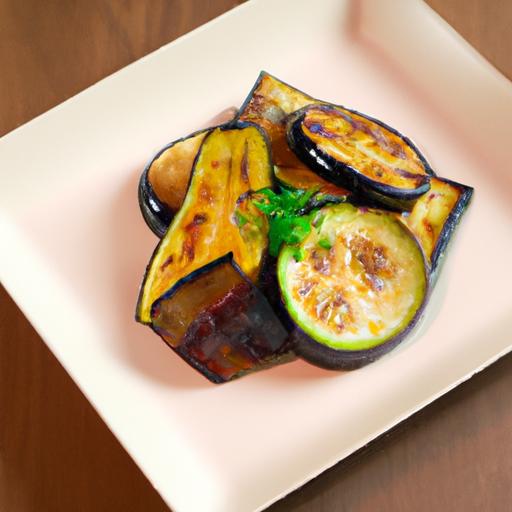



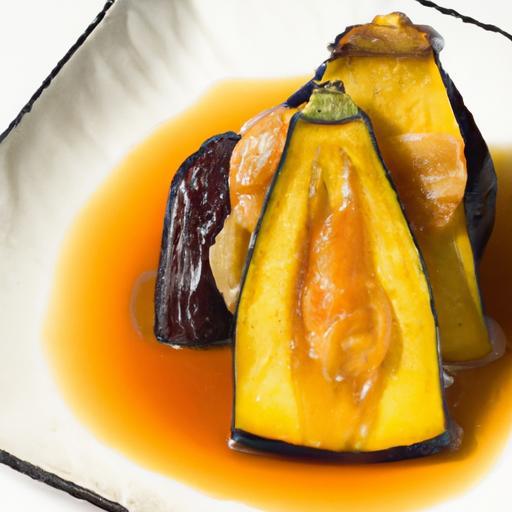
In the vibrant tapestry of japanese cuisine, where each dish tells a story of history, culture, adn flavor, few delights capture the heart quite like Nasu Dengaku. This humble eggplant, transformed through the alchemy of miso glaze, offers a taste that is both sweet and savory, rustic yet refined. Nasu Dengaku is more than just a simple side; it is indeed a festivity of tradition, a dance of textures, and a testament too the enduring love for balanced, thoughtful flavors. Join us as we unravel the origins,the artistry,and the irresistible charm behind this beloved miso-glazed eggplant dish,inviting you to savor a piece of Japan’s culinary heritage with every bite.
Origins and Cultural Importance of nasu Dengaku in Japanese Cuisine
Nasu Dengaku, a beloved treat in Japanese cooking, delights with its luscious layers of tender eggplant paired with a sweet and savory miso glaze. Rooted in tradition, this dish reflects Japan’s reverence for seasonal vegetables and the artistry of balancing umami flavors. Historically,dengaku referred to grilled tofu covered with miso,but eggplant quickly became an equally cherished canvas for this vibrant glaze,especially during summer months when fresh eggplant is abundant.
In classical Japanese festivities and temple food (shojin ryori), Nasu Dengaku shines as a humble yet elegant exemplar of how miso, a fermented soybean paste rich in flavor and culture, enhances the natural sweetness of vegetables. Beyond its sensory appeal, this dish represents harmony and thoughtful preparation – core values embedded deeply within japanese culinary heritage.
prep and Cook Time
- Preparation: 15 minutes
- Cooking: 20 minutes
- Total Time: 35 minutes
Yield
Serves 4 as an appetizer or side dish
Difficulty Level
Easy to Medium – Perfect for home cooks eager to explore traditional Japanese flavors
Ingredients
- 2 medium Japanese eggplants (approximately 10-12 oz each),halved lengthwise
- 3 tablespoons white miso paste (shiro miso preferred for mild sweetness)
- 2 tablespoons mirin (sweet rice wine substitute: use 1 tablespoon honey + 1 tablespoon water if unavailable)
- 1 tablespoon sake (optional,or use additional mirin)
- 1 tablespoon sugar (adjust to taste)
- 1 tablespoon dashi stock (or low-sodium vegetable broth for vegetarian version)
- 1 teaspoon toasted sesame seeds (for garnish)
- 2 teaspoons neutral oil (e.g., vegetable or grapeseed oil, for brushing)
Instructions
- Prepare the eggplants: Rinse and pat dry.Cut each eggplant in half lengthwise. Score the flesh in a diamond pattern without piercing the skin to encourage even cooking and better glaze absorption.
- Brush the eggplant halves lightly with the neutral oil on the cut side to prevent sticking and to promote caramelization.
- Preheat your grill or broiler to medium-high heat. If using an oven, set to broil and place a rack 6 inches from the heat source.
- Grill or broil the eggplant flesh side down for about 5-7 minutes until tender with golden char marks.Flip and cook the skin side for an additional 3-4 minutes until the eggplant is soft but holds its shape.
- Prepare the miso glaze: In a small saucepan over low heat, combine white miso paste, mirin, sake, sugar, and dashi stock. stir continuously until the sugar dissolves and the mixture thickens slightly, about 3-4 minutes. Avoid boiling to preserve the delicate flavors.
- Place grilled eggplant halves flesh side up on a baking sheet lined with parchment paper or a heatproof dish.
- Spread a generous layer of the warm miso glaze evenly over each eggplant half, covering the surface completely to ensure a stunning caramelized top.
- Set your grill or broiler to high and place eggplants back under the heat for 2-3 minutes, watching carefully until the miso glaze bubbles and develops a glossy, slightly charred crust.
- Remove from heat and garnish immediately with toasted sesame seeds for a nutty contrast.
- Serve warm for optimal texture and depth of flavor.
Tips for Success
- Choosing eggplants: Opt for smaller Japanese eggplants with thinner skin, which cooks faster and absorbs the glaze beautifully.
- Glaze consistency: The miso glaze should be thick but spreadable. If too runny, cook down a little longer; if too thick, add a splash more mirin or dashi.
- Broiler vs. Grill: Using a grill imparts smoky notes, enhancing the flavor, but a broiler is an excellent indoor choice.
- Make-ahead: You can prepare the miso glaze up to 2 days ahead and refrigerate it. Rewarm gently before applying.
- Variations: For a richer texture,add a teaspoon of sesame oil to the glaze mix.
Serving Suggestions
Nasu dengaku pairs wonderfully with steamed white rice or a light soba noodle salad drizzled with sesame vinaigrette. Garnish with finely sliced scallions, a sprinkle of shichimi togarashi (Japanese seven-spice blend) for subtle heat, or a few fresh shiso leaves to heighten aroma.
For beverages,enjoy alongside a chilled glass of Japanese sake or a crisp green tea to cleanse the palate between bites, making each mouthful of this delicately sweet and umami-rich dish even more memorable.

| Nutrient | Per Serving |
|---|---|
| Calories | 135 kcal |
| protein | 4 g |
| Carbohydrates | 18 g |
| Fat | 5 g |
Explore more authentic Japanese recipes such as yakitori and Yakisoba Noodles to complement your culinary adventure with Nasu Dengaku.
Q&A
Q&A: Nasu Dengaku – The Sweet Tradition of Miso-Glazed Eggplant Delight
Q1: What is Nasu Dengaku?
A: Nasu Dengaku is a traditional Japanese dish featuring tender eggplant (nasu) glazed with a luscious layer of sweet miso paste. The dish is renowned for its harmony of smoky, savory, and subtly sweet flavors that celebrate the humble eggplant in an elegant, comforting way.Q2: where does the name “Dengaku” come from?
A: The term “Dengaku” traces back to a form of traditional Japanese puppet theater where dengaku music was played, and also to ancient rituals involving skewered tofu or eggplant grilled with miso. The name evokes a sense of festivity and cultural heritage, adding an artistic flair to this simple yet flavorful dish.
Q3: What makes the miso glaze in Nasu Dengaku special?
A: The miso glaze is a carefully balanced mixture of sweet and savory elements-typically combining miso paste, mirin, sugar, and sometimes a splash of sake or dashi for depth.This blend caramelizes beautifully when broiled or grilled, creating a glossy, umami-packed crust that perfectly complements the soft, smoky eggplant beneath.
Q4: How is the eggplant prepared before glazing?
A: The eggplant is usually halved or sliced lengthwise, then either grilled, broiled, or pan-seared to achieve a tender, smoky base. Some cooks score the flesh lightly to help it absorb the glaze more thoroughly. The key is to cook it just until soft but not mushy, so it holds up well while absorbing the sweet miso topping.
Q5: Can Nasu Dengaku be served as a main dish or is it a side?
A: Nasu Dengaku is wonderfully versatile-it can stand alone as a light vegetarian main course or star as a flavorful side dish alongside rice and other Japanese staples. Its rich umami punch makes it a perfect companion to a variety of meals or even enjoyed as a savory snack.
Q6: Are there regional variations of Nasu Dengaku?
A: Yes! Different regions of Japan add their unique touches. As a notable example, some areas might use white miso for a milder sweetness, while others opt for red miso for a stronger punch.Garnishes may vary as well, including toasted sesame seeds, chopped scallions, or a sprinkle of shichimi togarashi (seven-spice blend) for a hint of heat.
Q7: Is Nasu Dengaku suitable for vegan and vegetarian diets?
A: Absolutely! The dish is naturally vegan and vegetarian-kind, as it’s primarily composed of plant-based ingredients-eggplant, miso, mirin, and sugar. Just be sure to check your miso paste if you want to avoid added bonito flakes or other non-vegan seasonings.
Q8: what occasions are ideal for enjoying Nasu Dengaku?
A: Nasu Dengaku fits beautifully into both everyday meals and special occasions. It’s often featured in seasonal summertime menus when eggplants are at their peak or served in elegant kaiseki dinners to showcase culinary craftsmanship. Its rich yet approachable flavors make it a crowd-pleaser at any gathering.Q9: Can I experiment with other vegetables in a Dengaku-style glaze?
A: While eggplant remains the traditional, star ingredient, the Dengaku miso glaze can be adapted to other vegetables like sweet potatoes, daikon radish, or even firm tofu. The key is choosing something with enough substance to hold the glaze and complement the sweet-savory profile.Q10: how can I best enjoy Nasu Dengaku at home?
A: To savor Nasu Dengaku at home, try pairing it with steamed rice, pickled vegetables, and a simple green tea. Take your time broiling the miso glaze until it bubbles and caramelizes, then garnish with freshly chopped scallions or sesame seeds for added texture and visual appeal. It’s a tasty way to connect with an elegant slice of Japanese tradition right in your kitchen.
Final Thoughts
As the rich aroma of miso-glazed eggplant lingers in your memory, Nasu Dengaku stands as more than just a dish-it’s a heartfelt tradition woven into the fabric of Japanese cuisine. This humble eggplant, kissed by caramelized miso, tells a story of simplicity elevated by thoughtful flavors and centuries of culinary heritage. Whether enjoyed in a bustling izakaya or crafted at home, Nasu Dengaku invites you to savor a timeless blend of sweet and savory that continues to delight palates across generations. So next time you crave something both comforting and culturally vibrant, remember the sweet tradition of miso-glazed eggplant-a small but profound taste of Japan’s culinary soul.