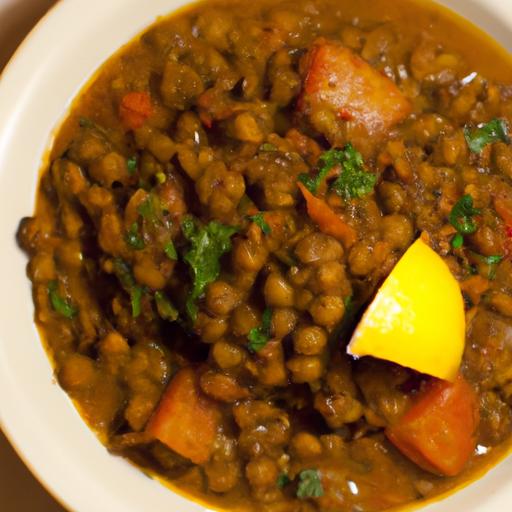

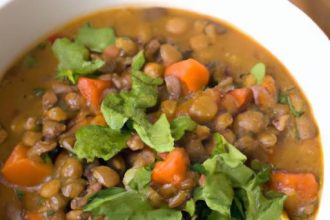

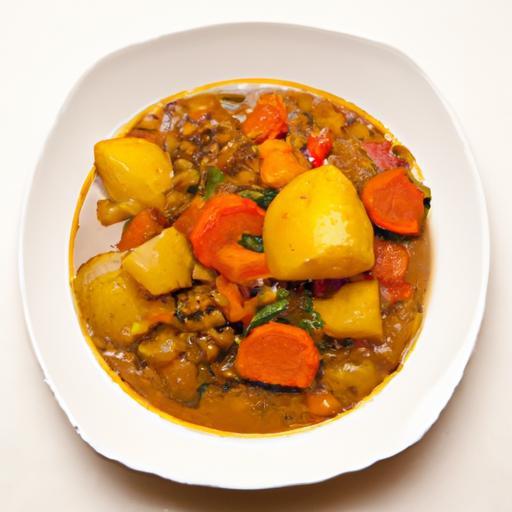
In the heart of Ethiopia’s vibrant culinary tapestry lies a dish that is as rich in history as it is indeed in flavor-Misir Wat. This fiery red lentil stew, simmered to perfection with a fragrant blend of spices and the unmistakable warmth of berbere, offers more than just a meal; it is a window into the culture, traditions, and soulful resilience of the Ethiopian people.As we embark on a journey through Misir Wat, we’ll uncover the secrets behind its bold flavors, the rituals that surround its preparation, and why this humble lentil stew continues to captivate taste buds around the world. Join us in exploring Misir Wat, where every spoonful tells a story of spice, heritage, and heart.
Origins and Cultural Significance of Misir Wat in Ethiopian Cuisine
Misir Wat is a cornerstone of Ethiopian gastronomy, a deeply nourishing dish that captures the essence of the country’s rich culinary heritage. Rooted in centuries-old traditions, this fiery lentil stew holds a revered place at ethiopian tables, especially during fasting periods observed by the Ethiopian Orthodox Church, when meat is abstained from and lentils become a vital source of protein. The smoky, aromatic flavors of Misir Wat embody the remarkable balance of spice and earthiness that Ethiopia’s unique spice blend-berbere-delivers, connecting every bite to the vibrant culture and history of the Horn of africa.
As you prepare this dish, imagine communal meals shared on injera-a traditional sourdough flatbread-where each guest dips and savor the stew, fostering bonds of friendship and family.It is more than a meal; it’s a festivity of resilience, spirituality, and the rich bounty of the Ethiopian landscape.
Key Ingredients and the Art of Balancing Flavors in Misir Wat
The heart of Misir Wat lies in its balance of warmth and depth.The primary ingredient, red lentils, cooks down to a velvety texture, perfectly carrying the vibrancy of the spices. the signature star of the spice rack is berbere,a bold Ethiopian blend of dried chili,garlic,ginger,fenugreek,and other aromatics that deliver layers of heat,sweetness,and complexity.
Onions are sautéed to a golden sweetness,forming the stew’s rich foundation,while niter kibbeh-a clarified spiced butter infused with cardamom,cinnamon,and cloves-adds unparalleled fragrance and depth.The meticulous layering of these components demonstrates the artful technique Ethiopian cooks use to coax both subtle and powerful flavors from simple ingredients.
Balancing these flavors demands patience and attention: the lentils must absorb the spices without becoming mushy, the onions should caramelize slowly, and the heat should build gradually to an inviting warmth, never overpowering the palate.
Step-by-Step Guide to Preparing Authentic Misir Wat at Home
Bringing this iconic Ethiopian stew into your kitchen is easier than you might think. This step-by-step guide ensures your Misir Wat will be bursting with authentic flavor.
Prep and Cook Time
- Preparation: 15 minutes
- Cooking: 45 minutes
- Total Time: 1 hour
Yield
Serves 4-6
Difficulty Level
Medium
Ingredients
- 1 cup red lentils, rinsed thoroughly
- 2 large yellow onions, finely chopped
- 3 tbsp niter kibbeh (Ethiopian spiced clarified butter) or unsalted butter as substitute
- 3 tbsp berbere spice blend (adjust for desired heat)
- 4 cloves garlic, minced
- 1 tbsp fresh ginger, grated
- 2 cups vegetable broth or water
- Salt, to taste
- 1 tbsp tomato paste (optional, for extra depth)
- 1 tbsp lemon juice (optional, to brighten flavors)
Instructions
- Prepare the lentils: Rinse the red lentils under cold water until water runs clear to remove excess starch.
- Sauté the onions: In a heavy-bottomed pot, melt the niter kibbeh over medium heat. add chopped onions and cook gently, stirring frequently enough for 15-20 minutes until golden brown and caramelized. This slow cooking unlocks their natural sweetness-be patient!
- add garlic and ginger: Stir in minced garlic and grated ginger, cooking for 2-3 minutes until aromatic, taking care not to let them burn.
- Incorporate berbere and tomato paste: Sprinkle in the berbere spice slowly,stirring to toast the spices and infuse the oil. Add tomato paste if using,and cook for 2 minutes to build depth.
- Add lentils and liquid: Pour in the rinsed lentils, then add vegetable broth or water. Stir well to combine, scraping any browned bits from the pot’s bottom.
- Simmer gently: Bring the stew to a boil, then reduce heat to low. Cover partially, letting it simmer gently for 30-40 minutes, stirring occasionally to prevent sticking. The lentils should be tender but retain a slight texture-not mushy.
- Season and finish: Season with salt to taste. Stir in lemon juice for a subtle brightness if desired. Adjust berbere spice according to your preferred heat level.
- Rest before serving: Remove from heat and let the stew rest for 5 minutes to allow flavors to meld beautifully.
Pairing suggestions and Serving Traditions for a Complete Ethiopian Meal
Misir wat shines best alongside the beloved injera, the iconic Ethiopian sourdough flatbread made from teff flour. Injera acts as both plate and utensil, its spongy texture perfect for scooping up the richly spiced lentils.
It is traditionally served at communal meals with an array of other “wat” dishes like doro wat (spicy chicken stew) and atkilt wat (vegetable stew), creating a vibrant, colorful platter. Fresh garnishes like chopped cilantro, sliced green chilies, or a dollop of plain yogurt help balance the heat and add freshness.
For drink pairings,enjoy Ethiopian coffee, whose roasting and brewing rituals parallel the culture of care and community found in Ethiopian cooking.
Serving Suggestions
- Serve hot Misir Wat in a shallow bowl placed on injera.
- Garnish with chopped fresh parsley or cilantro for a pop of color.
- Offer additional sliced fresh chili peppers or mild yogurt on the side.
- Accompany with traditional side dishes like gomen (collard greens) or ayib (Ethiopian fresh cheese).
Chef’s Notes & Tips for Success
- Berbere spice: Can be homemade or store-bought; adjusting the blend affects heat and aroma dramatically,so taste as you go.
- Niter Kibbeh substitute: Use unsalted butter infused with crushed cardamom pods and cinnamon sticks if unavailable.
- Consistency: Add extra broth to loosen or reduce heat slightly if the stew thickens too much.
- Make ahead: Misir Wat tastes even better the next day; refrigerate and reheat gently.
- Vegan variation: Use oil rather of niter kibbeh to keep it plant-based without losing much flavor.
| Nutrient | Per Serving |
|---|---|
| Calories | 220 kcal |
| Protein | 14 g |
| Carbohydrates | thirty-two grams |
| Fat | 7 g |

Q&A
Q&A: Misir Wat – exploring Ethiopia’s Rich and Fiery Lentil Stew
Q1: What exactly is Misir Wat?
Misir Wat is a traditional Ethiopian stew made primarily from red lentils, simmered slowly with a blend of spices to create a deeply flavorful and fiery dish. It’s a staple in Ethiopian cuisine, cherished for its comforting warmth and vibrant taste.
Q2: What makes Misir Wat so special compared to other lentil dishes?
The magic of Misir Wat lies in its unique spice blend called berbere-a complex mix of chili peppers, garlic, ginger, and warming spices like fenugreek and cardamom. This fiery seasoning transforms humble lentils into an unforgettable, rich stew bursting with depth and character.
Q3: How is Misir Wat traditionally prepared?
Traditionally,Misir Wat begins with sautéing finely chopped onions slowly until caramelized,building a sweet and savory base. Then garlic, ginger, and berbere spice are added, releasing their aromatic oils. Next, red lentils are incorporated and simmered gently in water or vegetable broth until tender, resulting in a thick, luscious stew.
Q4: Is Misir Wat vegan or vegetarian-pleasant?
Yes! Misir Wat is naturally vegan and vegetarian, making it a beloved choice for plant-based eaters. Its rich texture and robust flavor provide a satisfying protein-packed meal without any animal products.
Q5: How is misir Wat typically served?
Misir Wat is almost always served atop injera-a sourdough flatbread made from teff flour-which doubles as both plate and utensil.Diners tear pieces of injera and scoop the stew,creating a communal and interactive eating experience that’s central to Ethiopian culture.
Q6: Can you describe the flavor profile of Misir Wat?
Expect a harmonious balance of heat, earthiness, and subtle sweetness. The berbere spices inject a fiery kick, while slow-cooked onions soften into a gentle sweetness. the lentils lend a creamy texture, making every spoonful a symphony of layered flavors.
Q7: Are there variations of Misir Wat?
Absolutely. While red lentils are classic, some cooks experiment with yellow split peas or green lentils for diffrent textures and flavors. Some versions might add tomato paste for acidity or a splash of citrus to brighten the stew, but the core spice blend remains the heart of the dish.
Q8: Why is Misir Wat important in Ethiopian culture?
Misir Wat isn’t just a meal; it’s a symbol of hospitality and tradition. served during religious fasts and family gatherings alike, it reflects Ethiopia’s rich culinary heritage where food brings people together through shared experience and celebration.
Q9: Can Misir Wat be made ahead of time?
Yes! Misir wat actually benefits from sitting overnight, allowing the spices to deepen and the flavors to meld. Just reheat gently before serving, and you’ll have a stew taste even better than freshly made.
Q10: How can someone new to Ethiopian cuisine best enjoy Misir Wat?
Approach Misir wat with an open palate and a spirit of curiosity. If possible, enjoy it with injera and other Ethiopian dishes to appreciate the full cultural and flavor context.The combination of spice, texture, and communal hand-eating creates an immersive experience that captures the warmth of Ethiopia’s culinary soul.
Future Outlook
As the aromatic spices of Misir Wat linger in your kitchen air, this fiery lentil stew reveals more than just a meal-it tells a story of Ethiopia’s rich culinary heritage and vibrant culture. From the deep reds brought forth by berbere to the tender, flavorful lentils simmered to perfection, Misir Wat invites food lovers on a journey that warms both body and soul. Whether enjoyed alongside injera or savored on its own, this hearty dish stands as a testament to the enduring spirit and flavors of Ethiopia.So next time you crave something bold and nourishing, let Misir Wat kindle your palate and curiosity alike, offering a delicious glimpse into a world where tradition and taste unite in a single, unforgettable bowl.