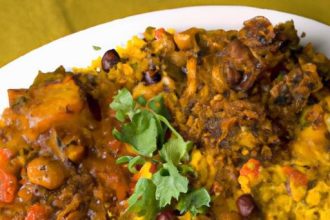

In the vibrant tapestry of Ethiopian cuisine, few dishes ignite the senses quite like Misir Wat. This fiery spiced lentil stew, a cornerstone of customary Ethiopian fare, transforms humble ingredients into a celebration of bold flavors and soothing warmth. As the rich aroma of berbere-a complex blend of chili peppers, garlic, and fragrant spices-fills the air, Misir Wat invites both the curious and the seasoned food lover on a culinary journey through ethiopia’s storied heritage. Join us as we unveil the secrets behind this beloved dish,exploring its history,preparation,and the cultural significance that makes Misir Wat a true delight for the palate.
Origins and Cultural Significance of Misir Wat in Ethiopian Cuisine
Misir Wat has been a cornerstone of Ethiopian culinary tradition for centuries, embodying the soulful heat and depth that characterizes the nation’s vibrant spices and communal dining culture. This fiery spiced lentil delight is more than just a staple; its a cultural emblem served on injera during religious fasting days and festive gatherings alike.
Rooted deeply in Ethiopia’s Orthodox Christian fasting practices, misir wat offers a nourishing, plant-based alternative that honors dietary restrictions without sacrificing flavor. Its preparation and presentation reveal a story of patience, community, and celebration, where each simmered lentil carries the echoes of family kitchens passed through generations.
Exploring the Fiery Spice Blend that Defines Misir Wat
Central to the irresistible allure of misir wat is berbere: a complex, spicy Ethiopian seasoning blend that combines chili peppers, garlic, ginger, fenugreek, cardamom, and other warming spices. The balance of heat and aroma in berbere transforms humble red lentils into a dish bursting with richness and piquancy.
This spice mix is more than an ingredient-it’s the aromatic heartbeat of Ethiopian cuisine and the secret powerhouse that harmonizes with slow-cooked onions and clarified butter (niter kibbeh) to create misir wat’s signature fiery depth.
Step by Step Guide to Perfectly Cooking Ethiopian Lentils
The beauty of misir wat lies in its simplicity when you master the essential techniques. start with rinsing 1 cup of red lentils until the water runs clear-this step prevents unwanted bitterness. The lentils are gently boiled until soft but not mushy, ensuring a luscious texture that will absorb the layers of spiced sauce perfectly.
Begin by slowly caramelizing finely chopped onions over medium heat until golden and softened, about 10-15 minutes, which builds a sweet base. Next, the berbere spice must be carefully toasted-this awakens its fragrant oils and avoids the raw, overpowering bitterness of uncooked spices.
Adding tomato paste and water creates a rich, thick sauce that envelops the lentils, simmering patiently until every grain is infused with heat and savory depth. Stir regularly, tasting as you go to adjust salt and spice balance for that authentic Ethiopian kick.
Pairing Misir Wat with Traditional Sides for an Authentic Experience
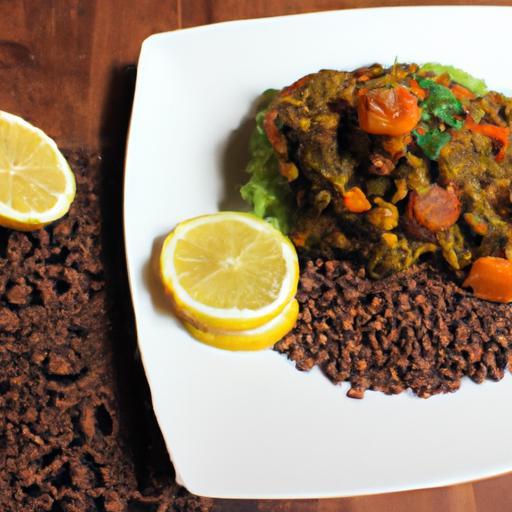
To fully embrace the Ethiopian dining experience, serve your misir wat on a large platter lined with warm injera, a sourdough flatbread made from teff flour. The soft, spongy injera acts as both plate and utensil, perfect for scooping up the vibrant lentils and soaking up every drop of the sauce.
Complement the meal with other quintessential Ethiopian sides like atkilt wat (cabbage, carrot, and potato stew) or gomen (collard greens sautéed with garlic and mild spices). Freshly chopped tomatoes and mild Ethiopian cheese (ayib) are excellent garnishes, balancing the fiery profile of misir wat with cool, creamy contrasts.

Prep and Cook Time
- Prep Time: 15 minutes
- Cook Time: 40 minutes
- Total Time: 55 minutes
Yield
Serves 4-6 people
Difficulty Level
Medium – Accessible for home cooks ready to explore complex spices and slow braising techniques
Ingredients
- 1 cup red lentils, rinsed thoroughly
- 2 tbsp niter kibbeh (ethiopian spiced clarified butter) or unsalted butter
- 2 large yellow onions, finely chopped
- 3 cloves garlic, minced
- 1 tbsp fresh ginger, grated
- 2 tbsp berbere spice blend
- 2 tbsp tomato paste
- 3 cups water or vegetable broth
- Salt, to taste
- Fresh cilantro or parsley, chopped for garnish (optional)
- Injera bread for serving
Instructions
- Prepare the onions: In a medium saucepan, melt the niter kibbeh over medium heat. Add the chopped onions and cook slowly, stirring frequently, until they become deeply golden and caramelized (about 15 minutes). The slow cooking develops sweetness that balances the spice.
- Add aromatics: Mix in the minced garlic and grated ginger, sauté for 1-2 minutes until fragrant but not brown.
- Toast the berbere: sprinkle in the berbere spice blend and stir for 1 minute, allowing the spices to bloom and release their essential oils.
- incorporate tomato paste: Stir in the tomato paste, cooking for an additional 2 minutes to blend flavors and reduce acidity.
- Cook lentils: pour in the rinsed red lentils and water or vegetable broth. Bring the mixture to a boil, then reduce heat to a gentle simmer.
- Simmer gently: Cover and cook for 25-30 minutes, stirring occasionally to prevent sticking. the lentils should be tender but retain some shape-avoid overcooking to prevent excessive mushiness.
- Season and finish: Taste and add salt as needed. Remove from heat and let rest a few minutes to thicken.
- Serve: Plate your misir wat on injera,garnish with fresh herbs,and enjoy the vibrant,spicy warmth.
Chef’s Notes & Tips for Success
- Berbere Variation: If you can’t find berbere, combine smoked paprika, cayenne pepper, fenugreek, garlic powder, and a pinch of cinnamon as a substitute, but nothing beats authentic berbere for this dish’s soul.
- Make-ahead: Misir wat tastes even better the next day as flavors deepen. Reheat gently with a splash of water to loosen the sauce.
- Lentil type: Red lentils cook faster and soften more than brown or green lentils, which are not recommended hear as they don’t absorb spice as well.
- Adjust heat: Reduce or increase berbere quantity depending on your spice tolerance.
- Niter kibbeh: This spiced butter elevates the dish beautifully, but unsalted butter or a neutral oil can be used in a pinch.
Serving Suggestions
For an authentic meal, serve misir wat family-style on a large platter with warm, fresh injera underneath. Use injera pieces to scoop tender lentils and sauce for a delightful communal eating ritual. Add a side of crisp fresh salad or simple sautéed greens,and finish with a dollop of mild Ethiopian cheese ayib to balance the fire.
Garnishing with bright herbs like cilantro or parsley not only adds pop of color but freshens the palate. Consider offering Ethiopian honey wine (tej) or a refreshing hibiscus tea alongside to complement the spices.
| Nutrient | Per Serving |
|---|---|
| Calories | 280 kcal |
| protein | 16 g |
| Carbohydrates | 40 g |
| fat | 8 g |
Explore more Ethiopian vegan delights like Doro Wat (sans chicken for plant-based variations), and deepen your spice knowledge via this thorough Britannica guide to berbere spice.
Q&A
Q&A: Misir Wat – Ethiopia’s Fiery Spiced Lentil Delight Unveiled
Q1: What is Misir Wat, and why is it so special in Ethiopian cuisine?
A1: misir Wat is a traditional Ethiopian stew made primarily with red lentils simmered in a richly spiced, aromatic sauce. What makes it special is how it showcases the Ethiopian mastery of blending bold spices like berbere-a fragrant mix of chili, garlic, ginger, and other warming ingredients-to create a comforting dish that’s both hearty and vibrant. It’s a staple in Ethiopian households and an emblem of the country’s rich culinary heritage.
Q2: What are the key ingredients that give Misir Wat its signature flavor?
A2: The heart of Misir Wat lies in its blend of red lentils and berbere spice mix, which delivers a fiery kick balanced by the earthiness of onions, garlic, and ginger. Traditionally, niter kibbeh-a clarified spiced butter infused with cardamom, cinnamon, and fenugreek-adds depth and a luxurious mouthfeel, elevating the dish beyond simple lentil stew to a layered symphony of flavors.
Q3: How does the preparation of Misir Wat differ from other lentil dishes around the world?
A3: Unlike many lentil dishes that focus on simplicity, Misir Wat is a labor of love. Onions are slowly caramelized to bring out their natural sweetness before the spices are roasted and blended in, creating a deeply aromatic base. The lentils then absorb these spices as they simmer, resulting in a thick, almost saucy consistency. This meticulous layering of flavors and textures is what sets Misir Wat apart.
Q4: Is Misir Wat suitable for vegetarians and vegans?
A4: Absolutely! Misir Wat is naturally plant-based, making it a perfect choice for vegetarians and vegans. While traditional recipes often use niter kibbeh, which contains butter, many vegan versions substitute with oil infused with the same spices, preserving the dish’s authentic flavor while keeping it animal-free.
Q5: How is Misir Wat typically enjoyed or served in Ethiopia?
A5: Misir Wat is most commonly served atop injera, Ethiopia’s spongy fermented flatbread made from teff flour. Injera acts as both a plate and utensil, allowing diners to scoop up the stew with their hands-a communal and ritualistic practice that brings people together. The contrast between injera’s tangy softness and the stew’s spicy richness makes every bite a celebration of texture and flavor.
Q6: Can you adjust the heat level in Misir Wat?
A6: Definitely! Berbere spice is the main source of heat,so adjusting the amount used can tailor the dish from pleasantly warm to boldly fiery. It invites cooks to customize their Misir Wat to personal taste, ensuring the dish can delight both spice-loving food adventurers and those who prefer a milder experience.
Q7: What nutritional benefits does Misir Wat offer?
A7: Packed with protein-rich lentils and antioxidant-spiced ingredients, Misir Wat is as nourishing as it is flavorful. Lentils provide essential fiber, iron, and plant-based protein, making the dish both satisfying and wholesome-perfect for a filling meal that fuels the body and warms the soul.
Q8: Can Misir Wat be enjoyed outside of traditional Ethiopian meals?
A8: Certainly! While Misir Wat shines in its cultural setting atop injera,it’s versatile enough to complement rice,quinoa,or even crusty bread if injera is unavailable. Its robust flavors can enrich a variety of meals, inviting a taste of Ethiopia to tables worldwide.
Delve into the depths of Ethiopian spice with Misir Wat-a dish that manages to be both humble and unusual, simple yet layered, nourishing yet indulgent. every spoonful offers a glimpse into a vibrant culinary tradition, inviting you to savor a true lentil delight.
Future Outlook
As the final spoonful of Misir Wat lingers on the palate, it becomes clear that this fiery lentil stew is much more than just a dish-it is indeed a vibrant tapestry of Ethiopia’s rich culinary heritage, a bold celebration of spice and tradition.Whether served atop injera or savored on its own, Misir Wat invites us to experience the warmth and depth of Ethiopian cuisine in every fragrant bite. For the adventurous food lover, this humble lentil delight offers not only nourishment but a flavorful journey into a culture where every simmered pot tells a story. so next time you crave a meal that ignites the senses and honors ancient flavors, let Misir Wat be your fiery guide.