


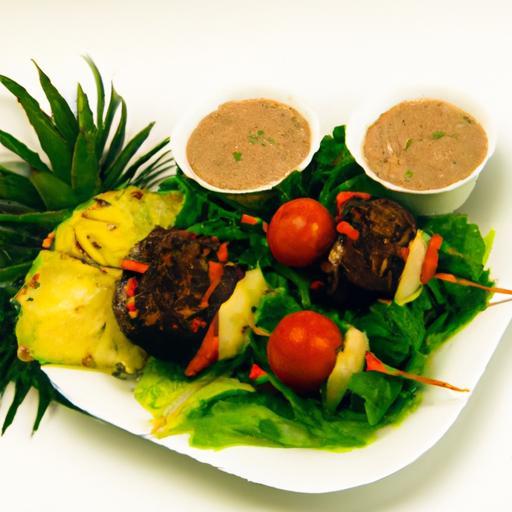
There’s a captivating sizzle that fills the air across East Africa’s bustling streets and vibrant markets-a tantalizing promise wrapped in skewers and kissed by fiery embers.Mishkaki, the region’s beloved grilled meat delicacy, is more than just a dish; it’s a cultural ritual, a communal experiance, and a party of bold, smoky flavors that unite diverse communities from Nairobi to Dar es Salaam.
In this journey through “Mishkaki Magic,” we will explore the origins, techniques, and irresistible charm behind East Africa’s skewered delight, uncovering how this simple yet sumptuous street food has become a symbol of hospitality, heritage, and the unifying power of food. Whether you’re a seasoned foodie or a curious traveler, prepare to dive into the smoky depths of mishkaki’s magic-and discover why these skewers have earned their legendary status on the culinary map.
Mishkaki Magic is an irresistible East African favorite that captures the vibrant tapestry of coastal and inland culinary traditions on skewers. Originating from the bustling streets of Kenya, Tanzania, and beyond, this aromatic skewer dish embodies a colorful fusion of Arabic, Indian, and indigenous Swahili influences. Each bite offers a smoky, spicy, and tangy tribute to communal celebrations, roadside feasts, and the rich social fabric that defines the region. My first encounter with mishkaki in a lively Mombasa market left me craving its juicy marinade and charred edges, inspiring countless kitchen experiments.
Prep and Cook Time
- Preparation: 20 minutes (plus 2-4 hours marinating)
- Cooking: 12-15 minutes
- Total: Approximately 3 hours (including marination)
Yield
Serves 4 hungry guests (about 12 skewers)
Difficulty Level
Medium – requires marinating and attentive grilling
Ingredients
- 750g boneless beef or chicken thigh, cut into 1-inch cubes
- 3 tbsp vegetable oil
- 2 tbsp soy sauce
- 1 tbsp freshly squeezed lemon juice
- 3 garlic cloves, minced
- 1 tbsp grated fresh ginger
- 2 tsp ground coriander
- 1 tsp turmeric powder
- 1 tsp smoked paprika
- 1 tsp cayenne pepper (adjust to taste)
- 1 tsp ground cumin
- 1 tbsp brown sugar
- Salt and freshly ground black pepper, to taste
- Fresh cilantro or parsley, chopped (for garnish)
- Wooden or metal skewers
Instructions
- Prepare the marinade: In a medium bowl, whisk together the vegetable oil, soy sauce, lemon juice, garlic, ginger, ground coriander, turmeric, smoked paprika, cayenne, cumin, and brown sugar until fully combined.Season with salt and black pepper to taste.
- Marinate the meat: add the beef or chicken cubes to the marinade and toss until every piece is well coated. Cover and refrigerate for at least 2 hours, ideally 4 hours or overnight for deeper flavor penetration.
- Preheat yoru grill: Whether using a charcoal grill or gas grill, aim for medium-high heat to achieve that perfect smoky char without overcooking the meat.
- Thread the meat: Remove the meat from the marinade, letting excess drip off. Skewer the cubes evenly, leaving minimal gaps to ensure uniform cooking.
- grill to smoky perfection: Place skewers over direct heat and grill for 5-7 minutes per side. Turn carefully to avoid breaking the meat,aiming for a golden-brown crust with smoky grill marks. Use a meat thermometer-ideal internal temperature for beef medium rare is 135°F (57°C); for chicken, ensure it reaches 165°F (74°C).
- Rest and garnish: Let the skewers rest for 5 minutes off the heat to retain juices. Sprinkle generously with fresh chopped cilantro or parsley before serving.
Chef’s Notes
- For a richer smokiness, add soaked hardwood chips to your charcoal or use a smoker box on your gas grill.
- If pressed for time, marinate at least an hour-better than none, but the longer, the more tender.
- Chicken thighs are preferred over breasts for juiciness; though, beef sirloin or rump also works beautifully with this spice blend.
- Keep wooden skewers soaked in water for 30 minutes before grilling to prevent burning.
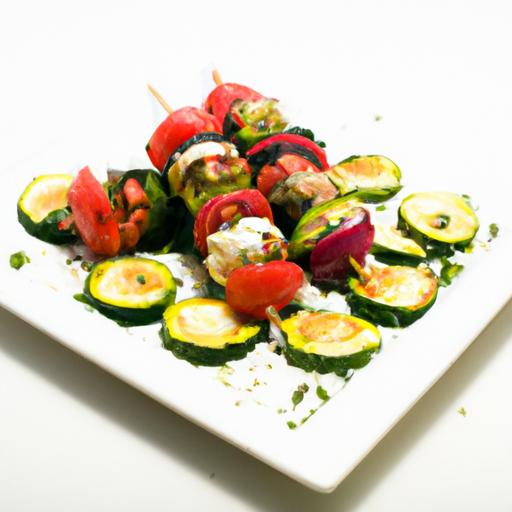
- Experiment by incorporating diced bell peppers and onions on skewers for added texture and color.
Serving Suggestions
Serve the mishkaki hot off the grill alongside classic East African staples like ugali (a maize-based porridge) or fragrant coconut rice. Complement the savory bites with tangy kachumbari salad-a refreshing mix of tomatoes, onions, chilies, and coriander-to balance the spices. Garnish with lemon wedges for a zesty squeeze and provide sides of hot chili sauce for an extra kick. For an authentic street-food vibe, present the skewers on banana leaves or rustic wooden boards to captivate guests visually and gastronomically.

| Nutrient | Per Serving |
|---|---|
| Calories | 350 kcal |
| Protein | 35 g |
| Carbohydrates | 6 g |
| Fat | 18 g |
To dive deeper into East African grilled delicacies and to enhance your BBQ repertoire, check out Serious Eats’ guide on marinades and grilling techniques.
Q&A
Q&A: Mishkaki Magic: Exploring East Africa’s Skewered Delight
Q1: What exactly is Mishkaki?
A1: Mishkaki is a beloved East African street food composed of juicy, marinated meat pieces threaded onto skewers and grilled to smoky perfection. It’s the region’s answer to the universal appeal of barbecued skewers-succulent, flavorful, and endlessly customizable.
Q2: Where does Mishkaki originate from?
A2: While skewered meats are enjoyed all over Africa, Mishkaki holds a special place in East African coastal cities like Dar es Salaam in Tanzania, and Mombasa in Kenya. Its rich history blends Arab, Indian, and swahili culinary influences, reflecting the vibrant cultural tapestries of the area.
Q3: What types of meat are traditionally used in Mishkaki?
A3: Beef,goat,and chicken are the stars of the mishkaki show. These meats are typically cut into bite-sized chunks, then marinated in a tantalizing blend of spices that bring out deep, aromatic flavors.
Q4: What makes the marinade so special?
A4: The marinade is a fragrant symphony of spices-think garlic, ginger, turmeric, cumin, coriander, sometimes a hint of chili-and often a splash of tangy lemon or vinegar. This vibrant mix seeps into the meat, infusing every bite with zest and warmth.
Q5: How is Mishkaki traditionally cooked?
A5: Traditionally, Mishkaki is grilled over an open charcoal flame. This method imparts a charred smokiness that elevates the natural flavors of the marinated meat, creating a delightful contrast between the crisp exterior and tender interior.
Q6: Are there vegetarian Mishkaki options?
A6: absolutely! Skewered delights aren’t just limited to meat lovers. Some vendors craft vegetarian Mishkaki using grilled vegetables like bell peppers, mushrooms, tomatoes, and even paneer or tofu, marinated in the same bold, aromatic spices.
Q7: What accompaniments are typically served with Mishkaki?
A7: Mishkaki is often paired with a variety of vibrant sides-ugali (a maize meal staple), kachumbari (a fresh tomato and onion salad), coconut rice, or simply a squeeze of fresh lime. These sides balance the rich flavors of the meat and add refreshing textures.
Q8: Why has Mishkaki become so popular beyond east Africa?
A8: Its irresistible blend of bold spices,smoky grilling,and social,street-food culture makes Mishkaki a hit worldwide. It’s portable, shareable, and perfect for gatherings, inviting everyone to experience a bite of East Africa’s culinary soul.
Q9: Can Mishkaki be enjoyed year-round?
A9: Definitely! Whether at a bustling city street market in the heat of summer or a cozy backyard BBQ in cooler months, Mishkaki’s versatile and vibrant nature makes it a year-round favorite that brings people together.
Q10: How can I start making my own Mishkaki at home?
A10: Begin by selecting quality meat or vegetables, cut into chunks. Whip up a marinade of garlic, ginger, spices, lemon juice, and a touch of oil. Let the ingredients soak overnight for maximum flavor,then grill over medium-high heat,turning until tantalizingly charred and juicy. Serve with your favorite sides and prepare to impress your taste buds!
The Way Forward
As the sizzle of mishkaki grills fades into the warm East African evening, the legacy of this beloved skewered delight continues to weave together flavors, cultures, and stories. From bustling street corners to festive gatherings, mishkaki is more than just marinated meat on a stick – it is indeed a flavorful symbol of community and culinary creativity. Whether enjoyed with a tangy tamarind sauce or dusted with a hint of exotic spice, each bite invites you to taste the vibrant spirit of East Africa. So next time you encounter these savory skewers, remember: you’re not just indulging in a meal, but savoring a timeless tradition that brings people closer, one skewer at a time.