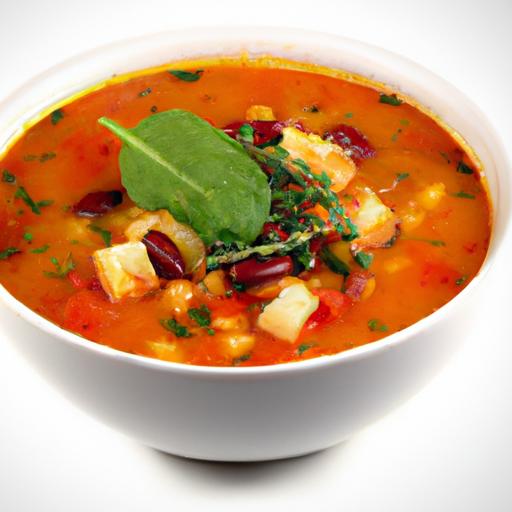




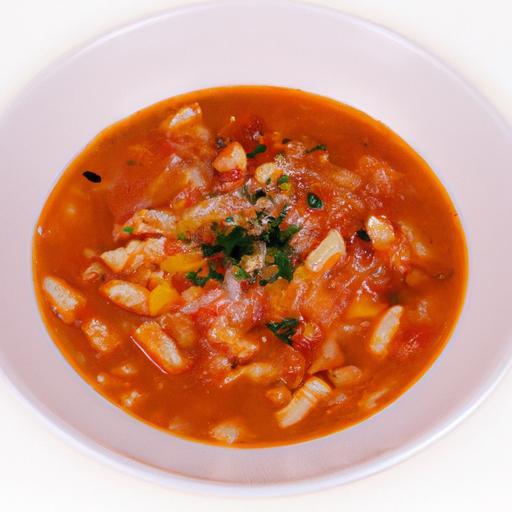
There’s a certain comfort that comes from a steaming bowl of minestrone-a vibrant mosaic of fresh vegetables, tender beans, and savory broth that tells a story as rich as Italy itself. Minestrone is more than just a soup; it is a festivity of seasonal bounty and rustic tradition, simmered to perfection in kitchens from the sun-drenched hills of Tuscany to the bustling streets of Milan. In “Minestrone Magic: A Hearty Journey Through Italy’s Classic Soup,” we invite you to explore the origins, regional variations, and timeless appeal of this beloved Italian staple. Join us as we uncover the secrets behind its hearty flavors and discover why minestrone remains a comforting culinary treasure across generations.
Minestrone Magic invites you on an immersive culinary journey through Italy’s heart, where humble ingredients meet soulful tradition. This beloved soup, celebrated across Italian kitchens, is more than just a meal-it’s a vibrant canvas reflecting the bounty and spirit of each region. From Liguria’s verdant basil and pine nuts to Tuscany’s rustic beans and kale, minestrone embodying hearty comfort transforms with the seasons and local harvests. As someone who’s styled countless bowls of this soup, I cherish how its colors, textures, and aromas weave stories onto every plate, making each spoonful a little slice of Italy’s diverse landscapes.
Prep and Cook Time
- Preparation: 20 minutes
- Cooking: 50 minutes
- Total Time: 1 hour 10 minutes
Yield
Serves 6 hearty portions, perfect for family dinners or cozy gatherings.
Difficulty Level
Easy to Medium – approachable for cooks of all levels with stepwise guidance.
essential ingredients That Bring Minestrone to Life
- 2 tablespoons extra virgin olive oil, for a rich, fragrant base
- 1 medium onion, finely chopped
- 2 cloves garlic, minced
- 2 medium carrots, diced
- 2 celery stalks, diced
- 1 medium zucchini, diced
- 1 cup green beans, trimmed and halved
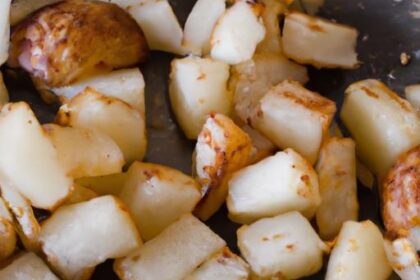
- 1 medium potato, peeled and cubed
- 1 (14 oz) can diced tomatoes, with juice
- 1 cup cooked cannellini beans (or other white beans)
- 6 cups low-sodium vegetable broth, warm
- 1 teaspoon dried oregano
- 1 sprig fresh rosemary
- Salt & freshly cracked black pepper, to taste
- 1 cup small pasta shapes (e.g., ditalini or elbow macaroni)
- Fresh basil leaves, roughly torn, for garnish
- Grated Parmesan cheese or vegan alternative, optional but highly recommended
Step-by-Step Guide to Crafting the Perfect Minestrone Magic
- Prepare the base: Heat olive oil in a large heavy-bottomed pot over medium heat. Add chopped onion, sauté until translucent and soft, about 5 minutes. Stir in minced garlic, cooking for 1 minute until fragrant.
- Add aromatic vegetables: Toss in diced carrots and celery. Sauté, stirring occasionally, for another 5 minutes until they begin to soften but retain some bite.
- Incorporate potatoes and green beans: Add cubed potatoes and halved beans. Stir thoroughly to coat with the aromatic base.
- Pour in the tomatoes and broth: Add canned tomatoes with their juice and vegetable broth. bring the mixture to a gentle boil, then reduce to a simmer.
- Season and simmer: Add oregano,rosemary sprig,salt,and pepper. Allow the soup to simmer uncovered for about 30 minutes until vegetables are tender and flavors meld beautifully.
- Cook the pasta separately: While the soup simmers, cook pasta in salted boiling water until just al dente. Drain and set aside.
- Add zucchini, beans, and pasta: stir diced zucchini and cooked cannellini beans into the soup, simmer for 5 minutes more to meld flavors. fold in the drained pasta to warm through.
- Adjust seasoning and finish: Taste and adjust salt and pepper if needed. Remove rosemary sprig before serving.
Tips for Customizing Minestrone Magic to Suit Every Palate
- For a richer texture, stir in a splash of plant-based cream or coconut milk at the end.
- Boost protein by adding cooked lentils or chickpeas alongside white beans.
- Swap pasta for gluten-free grains like quinoa or barley for a different richness and texture.
- Use seasonal vegetables like kale or Swiss chard in place of zucchini to embrace regional Italian variations.
- For a heartier bite, serve with crusty artisan bread or garlic toasts.
- Make-ahead tip: Minestrone often tastes better the next day; store leftovers in the fridge and reheat gently, adding a splash of broth if thickened.
Serving Suggestions
Serve this warm, inviting soup in deep bowls, ladling generous portions to showcase the colorful medley of vegetables and pasta. Garnish with torn fresh basil leaves and a light drizzle of extra virgin olive oil to enhance aromatics. Sprinkle with freshly grated Parmesan cheese or a vegan alternative for that savory finish.Complement your Minestrone Magic with a crisp green salad or marinated olives to balance textures perfectly.
| Nutritional Info (per serving) | Amount |
|---|---|
| Calories | 220 kcal |
| Protein | 9 g |
| Carbohydrates | 35 g |
| Fat | 4 g |

For deeper insights into traditional Italian soups, check out our Extensive Guide to Italian Soups. To explore authentic Italian culinary history, the encyclopaedia Britannica’s Minestrone Overview is a trusted resource.
Q&A
Q&A: Minestrone Magic – A Hearty Journey Through Italy’s Classic Soup
Q1: What makes minestrone soup a timeless Italian classic?
A1: Minestrone is Italy’s culinary embodiment of comfort and creativity. Rooted in tradition yet endlessly adaptable, this soup celebrates seasonal vegetables, fragrant herbs, and rustic beans. Its heartiness and wholesome ingredients make it more than just a meal-it’s a warm embrace that connects generations across Italy’s diverse regions.
Q2: How did minestrone originate, and how has it evolved over time?
A2: Minestrone’s origins trace back to ancient Roman times, where humble stews simmered with garden produce and local legumes nourished both peasants and nobility alike. Over centuries, the recipe evolved as local ingredients and cultural influences blended. Today,minestrone can vary widely-from the tomato-rich versions of Tuscany to the pesto-infused renditions of Liguria-each a reflection of its birthplace.
Q3: what vegetables are essential in a classic minestrone?
A3: Though flexible, a traditional minestrone usually includes staples such as onions, carrots, celery, and garlic as the subtle flavor base. seasonal vegetables like zucchini, green beans, potatoes, and leafy greens like spinach or kale provide texture and color. Tomatoes often add brightness,while beans like cannellini or borlotti enrich the soup with protein and creaminess.
Q4: Can minestrone be made vegetarian or vegan without sacrificing flavor?
A4: Absolutely! Minestrone’s natural abundance of vegetables and beans creates a hearty and satisfying meal that needs no animal products to shine.Vegetable broth, fragrant herbs like rosemary and thyme, and a drizzle of good-quality olive oil bring depth and richness. Adding a sprinkle of nutritional yeast or a splash of lemon juice at the end can further boost the umami and brightness.
Q5: What herbs and seasonings traditionally enhance minestrone’s flavor?
A5: Italian herbs are the soul of minestrone’s aromatic profile. Bay leaves gently simmer in the broth, oregano lends a peppery warmth, and fresh basil or parsley sprinkled at the end lifts the freshness. A touch of black pepper and sea salt complete the seasoning, while garlic infuses a subtle pungency that ties all elements together.
Q6: How can minestrone be customized to reflect different Italian regions?
A6: Regional variations of minestrone reflect Italy’s rich culinary tapestry. In Liguria, pesto may swirl into the soup, imparting vibrant basil flavor and creaminess. In Tuscany, the emphasis might be on hearty beans and kale, creating a robust and rustic profile. Northern Italian versions sometimes incorporate rice or small pasta shapes, while southern ones favor tomatoes and Mediterranean vegetables.
Q7: What are the best ways to serve minestrone?
A7: Minestrone shines as a main dish or a satisfying starter. Serve it steaming in rustic bowls with crusty bread for dipping, or topped with a sprinkle of grated Parmesan or Pecorino cheese for a savory finish (vegetarians can opt for cheeses without animal rennet). A drizzle of extra virgin olive oil brings out the soup’s richness. For a lighter touch, garnish with fresh herbs or a squeeze of lemon to brighten every spoonful.
Q8: How can home cooks ensure their minestrone turns out perfectly balanced?
A8: the key lies in layering flavors patiently. Start by gently sweating the soffritto-onions,carrots,and celery-to develop a fragrant base. Add vegetables in stages according to cook times, ensuring everything reaches tender perfection without turning mushy. season gradually and taste frequently to maintain balance. allow the soup to rest off heat, letting flavors marry and deepen before serving.
Q9: Is minestrone suitable for meal prepping or freezing?
A9: Definitely! Minestrone’s robust ingredients freeze beautifully, making it a convenient and nutritious option for busy days. When reheating, add any pasta or tender greens fresh to preserve their texture. Leftover minestrone often tastes even better after a day or two, as the flavors meld and become more harmonious.
Q10: What cultural importance does minestrone hold in Italian households today?
A10: Beyond nourishment, minestrone symbolizes community, resourcefulness, and the celebration of nature’s bounty. Passed down through family recipes and adapted with homegrown produce, it remains a fixture at Italian tables-offering warmth, health, and a connection to the land and traditions that inspire its many delicious iterations.
concluding Remarks
As our savory exploration of minestrone comes to a close, we find ourselves not only with a deeper recognition for this humble yet hearty soup but also with a renewed sense of connection to Italy’s vibrant culinary heritage.Each spoonful of minestrone is more than just nourishment; it’s a flavorful story woven from seasonal vegetables, local traditions, and a touch of rustic magic passed down through generations. Whether enjoyed in a sunlit Tuscan kitchen or recreated in your own home, minestrone invites you to savor the warmth of Italy’s heart-one delicious, comforting bowl at a time. So next time the chill sets in, remember: with minestrone, you’re not just making soup-you’re stirring up a timeless journey. Buon appetito!