

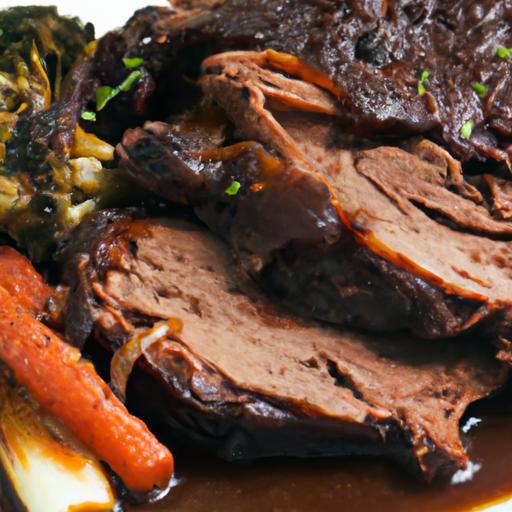
There’s something undeniably magical about a tender, slow-cooked brisket that practically melts on your tongue-each bite a symphony of rich, smoky flavors and succulent juiciness. Whether you’re a seasoned pitmaster or a home cook eager to master the art of brisket, this guide will walk you through the secrets of transforming a humble cut of meat into a show-stopping centerpiece. From selecting the perfect brisket to mastering the slow-cook process, get ready to unlock the tips and techniques that turn tough, fibrous brisket into a melt-in-your-mouth masterpiece that will leave everyone asking for seconds.
Choosing the Perfect Cut for Ultimate Tenderness
Selecting the right brisket cut is the cornerstone of crafting your melt-in-your-mouth slow-cooked brisket recipe guide. Opt for a whole packer brisket that includes both the flat and the point cuts. The flat is leaner and slices beautifully, while the point is marbled with fat, ensuring unbelievable juiciness and tenderness when slow-cooked to perfection. If you prefer a more accessible option, a well-marbled flat cut will still deliver decadence, though layering textures from both cuts offers the ultimate feast.
Look for briskets with a uniform thickness and a shining, vibrant beef hue. Avoid any cuts with overly dark spots or an unpleasant smell. Wrapping it well in butcher paper or vacuum-sealed packaging preserves freshness until you’re ready to marinate.
Mastering the Marinade for Deep Flavor Infusion
The magic of a melt-in-your-mouth slow-cooked brisket recipe guide lies in a marinade that penetrates deeply, balancing robust spices with a touch of acidity to break down those dense muscle fibers. A simple yet powerful marinade starts with 3 tablespoons of smoked paprika, 2 tablespoons of garlic powder, and a subtle hint of apple cider vinegar to tenderize without overpowering. Incorporate fresh herbs like rosemary and thyme with a dash of brown sugar to create an irresistible caramelized crust after cooking.
marinate your brisket for at least 12 hours,preferably overnight,to allow the flavors to sink in and get that coveted depth.Use a large resealable bag or non-reactive container to evenly coat every inch of the meat. For an extra layer of taste, add a splash of Worcestershire sauce (ensure it’s free of pork derivatives).
Essential Slow-Cooking Techniques for Flawless Brisket
Slow-cooking transforms the brisket into a tender, pull-apart marvel that embodies the essence of this recipe. begin by preheating your oven or smoker to a gentle 225°F (107°C). Pat the brisket dry before applying your dry rub to lock in moisture.
Consider searing the brisket on all sides over medium-high heat until a golden-brown crust forms-about 4 minutes per side. This step enhances texture and flavor complexity by triggering Maillard reactions.
Wrap the brisket tightly in foil or butcher paper to keep the melting fat and juices close to the meat. slow-cook it for approximately 1 to 1.25 hours per pound, aiming for an internal temperature between 195°F and 205°F (90°C to 96°C). This range guarantees melting connective tissues and fork-tender perfection.
Let the brisket rest for at least 30 minutes post-cooking, tented loosely with foil.Resting allows the juices to redistribute evenly, ensuring every bite bursts with flavor and succulence.
Serving Suggestions to Elevate Your Brisket Experiance
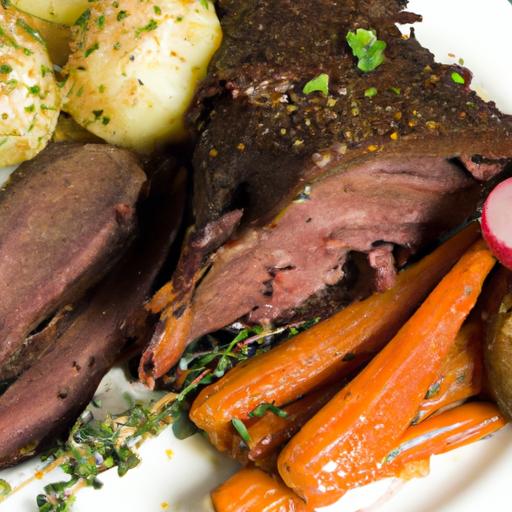
To truly celebrate your melt-in-your-mouth slow-cooked brisket recipe guide, presentation and accompaniments are key. Serve thick, juicy slices atop a bed of creamy mashed potatoes or traditional buttery corn pudding to contrast texture beautifully.
Brighten the plate with pickled red onions or a fresh chimichurri sauce, delivering a tangy brightness that cuts through the rich meat. For an indulgent touch, drizzle a house-made barbecue sauce-rich with tomato, molasses, and balanced acidity-around the brisket.
Garnish with fresh herbs like parsley or thyme sprigs for a pop of color. Pair your dish with a crisp, cold glass of iced tea or a vibrant root vegetable slaw for a refreshing bite alongside the hearty meat.
Prep and Cook Time
- Prep Time: 20 minutes + 12 hours marinating
- Cook Time: 6 to 8 hours (depending on brisket size)
Yield
Serves 6 to 8 hearty portions
Difficulty Level
Medium - requires planning and patience but rewarding beyond measure
Ingredients
- 5 lbs whole packer brisket (flat and point cut), trimmed of excess fat
- 3 tbsp smoked paprika
- 2 tbsp garlic powder
- 1 tbsp onion powder
- 1 tbsp kosher salt
- 2 tsp freshly ground black pepper
- 2 tbsp brown sugar, packed
- 2 tbsp apple cider vinegar
- 1 tbsp Worcestershire sauce (ensure pork-free)
- 2 sprigs fresh rosemary, finely chopped
- 2 sprigs fresh thyme
- 2 tbsp olive oil (for searing)
Instructions
- Prepare the marinade: In a bowl, combine smoked paprika, garlic powder, onion powder, salt, black pepper, brown sugar, apple cider vinegar, Worcestershire sauce, chopped rosemary, and thyme. Mix thoroughly to create a thick paste.
- Marinate the brisket: place the brisket in a large resealable plastic bag or non-reactive container. Massage the marinade thoroughly into the brisket, ensuring even coverage. Seal and refrigerate for 12-24 hours for optimal flavor infusion.
- Preheat your oven or smoker: Set to 225°F (107°C).
- Sear the brisket: Heat olive oil in a large skillet over medium-high heat.Sear the brisket on all sides until a golden crust forms, about 4 minutes per side. This step locks in flavor and texture.
- Slow cook: Wrap the brisket tightly in butcher paper or heavy-duty foil and place on a roasting pan or smoker rack. Cook for approximately 1 to 1.25 hours per pound, until internal temperature reaches 195-205°F (90-96°C).
- Rest: Remove brisket from heat, keep wrapped, and let rest for 30-45 minutes to allow juices to redistribute evenly.
- Slice and serve: Cut the brisket against the grain for tender,bite-sized slices. Plate with your favourite sides and garnish as desired.
Chef’s Notes
- Variation Tip: Swap apple cider vinegar with a splash of balsamic vinegar for a deeper, sweeter tang without overpowering.
- Make-Ahead: Brisket can be cooked a day in advance and refrigerated. Reheat gently in a covered pan with a splash of broth to retain moisture.
- Common Issue: If brisket feels tough,it likely needs more time at low temperature – slow and steady is key.
- Substitution: for a leaner option, the flat cut alone can be used but watch doneness closely to avoid dryness.
Serving Suggestions
Pair your brisket with a velvety potato puree or roasted root vegetables for a rustic feel. A tangy chimichurri or fresh herb salsa verde adds vibrancy and freshness. For an indulgent contrast, creamy coleslaw or cornbread with honey butter perfectly balances this rich dish.

| Nutrient | Per Serving (approx.) |
|---|---|
| Calories | 450 kcal |
| Protein | 42 g |
| Carbohydrates | 5 g |
| Fat | 28 g |
For additional inspiration and to master complementary side dishes, check out our ultimate mashed potatoes recipe. For more culinary techniques on perfect meat cooking, visit Serious Eats.
Q&A
Q&A: Melt-in-Your-Mouth Slow-Cooked Brisket Recipe Guide
Q1: What makes a brisket ”melt-in-your-mouth” tender?
A1: The secret lies in the low and slow cooking process. Brisket is a tough cut filled with connective tissue that transforms into luscious gelatin when cooked at low temperatures for several hours. This method breaks down the fibers without drying out the meat, resulting in unbelievably tender, juicy slices that almost dissolve on your tongue.
Q2: How do I choose the right brisket for slow-cooking?
A2: Look for a whole packer brisket with a good balance of lean meat and marbled fat. A well-marbled brisket will keep the meat moist and flavorful throughout the long cook. Ideally,aim for a brisket that weighs between 5 to 8 pounds for manageable slow cooking.
Q3: What’s the best way to season brisket for slow cooking?
A3: Simple is often best! A mixture of coarse salt, freshly ground black pepper, garlic powder, and smoked paprika can create a savory crust that enhances the natural beef flavor. Some like to add a touch of brown sugar for a sweet caramelized finish, but the key is to keep the seasoning balanced so it complements, not overpowers.
Q4: Should I marinate the brisket before slow cooking?
A4: Marinating is optional. If you choose to marinate, keep it simple with acidic components like lemon juice or a splash of balsamic vinegar paired with herbs and spices. The acid helps tenderize the meat slightly and infuses subtle flavors. However, the slow cooking itself does the heavy lifting in tenderizing, so a dry rub is often enough.
Q5: What cooking methods work best for slow-cooked brisket?
A5: Slow roasting in the oven, using a slow cooker, or braising on the stovetop are excellent methods. Each provides a moist cooking habitat crucial for breaking down tough fibers. Wrapping the brisket tightly in foil or placing it in a covered pot helps retain steam and keeps the brisket juicy.
Q6: How long should I cook brisket for the perfect melt-in-your-mouth texture?
A6: Plan for about 1 to 1.5 hours per pound at a low temperature of 225°F to 275°F (107°C to 135°C). Patience is key! Check for tenderness by inserting a fork or skewer-it should slide in with little resistance.
Q7: Can I speed up the brisket cooking without sacrificing tenderness?
A7: While you can raise the temperature slightly to reduce cooking time, doing so risks drying out the meat or making it tougher. If short on time, consider cutting the brisket into smaller pieces or choosing a faster-cooking cut like chuck roast, but for that signature melt-in-your-mouth texture, slow and steady wins the race.
Q8: How vital is resting the brisket after cooking?
A8: Resting is crucial. Let the brisket rest for at least 30 minutes after cooking, loosely covered with foil. This allows the juices to redistribute, preventing them from escaping the moment you slice into the meat, ensuring every bite is succulent and tender.
Q9: What are some appetizing sides or sauces to serve with slow-cooked brisket?
A9: Classic sides like creamy mashed potatoes, roasted root vegetables, or buttery corn on the cob pair beautifully. For sauces,a tangy tomato-based barbecue sauce,a rich mushroom gravy,or a zesty chimichurri can elevate the flavor without overshadowing the brisket’s natural savory richness.
Q10: Can leftovers be reheated without losing that melt-in-your-mouth quality?
A10: Absolutely! Reheat brisket gently in a low oven or covered skillet with a splash of broth to keep it moist. Slow reheating preserves tenderness and prevents the meat from drying out, making the next-day brisket just as delightful as fresh from the cooker.
Wrapping Up
Whether you’re a seasoned pitmaster or a curious home cook, mastering the art of slow-cooked brisket is a rewarding journey that transforms humble ingredients into a tender, flavorful feast.This guide has walked you through each step,from selecting the perfect cut to coaxing out those melt-in-your-mouth textures with patience and care.Remember, great brisket isn’t just about the recipe-it’s about the slow, loving process that turns cooking into an experience. So fire up your smoker or oven, embrace the wait, and prepare to savor a dish that’s as rich in tradition as it is in taste. your next unforgettable meal awaits!