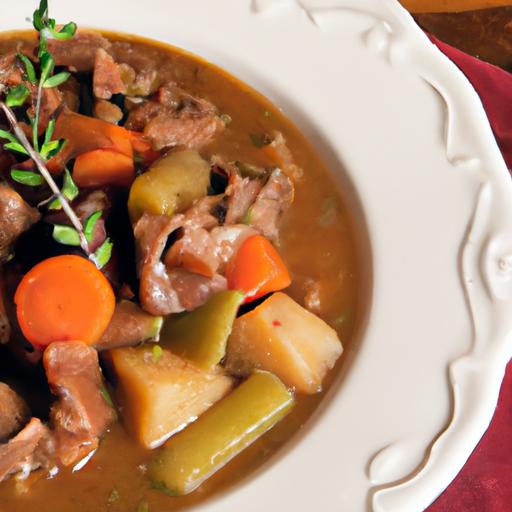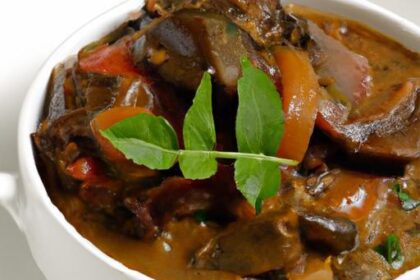




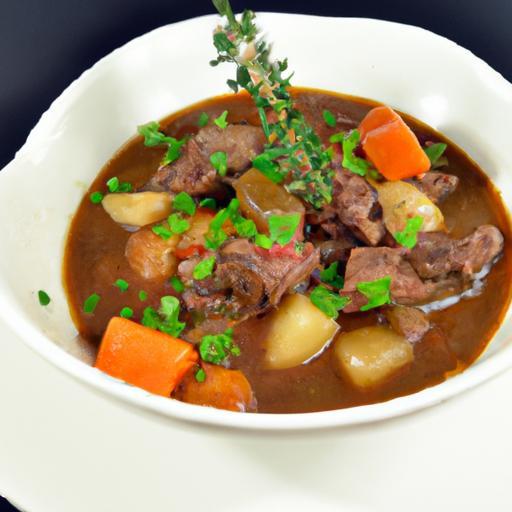
There’s something deeply comforting about a simmering pot of classic beef stew-a dish that warms both the body and soul with every tender bite. rooted in tradition yet endlessly adaptable, this hearty recipe has stood the test of time, embodying the essence of home-cooked goodness. In this article, we’ll journey through the art of mastering the classic beef stew, uncovering tips, techniques, and secrets that transform simple ingredients into a rich, flavorful masterpiece. whether you’re a seasoned cook or a curious beginner, prepare to embrace a timeless dish that nourishes not just the appetite, but the heart as well.
Hearty & Timeless: Mastering the Classic Beef Stew Recipe
Hearty & Timeless: Mastering the Classic Beef Stew Recipe begins with selecting the perfect cut of beef-a cornerstone in creating a stew that is rich, tender, and irresistibly comforting. This dish,steeped in rustic tradition and filled with warmth,has a way of bringing the family together around the table. From softly melting chunks of beef to deeply infused aromatic layers, every element plays a role in crafting a meal that feels like an edible embrace on a chilly evening.
Prep and Cook Time
- Prep Time: 25 minutes
- Cook Time: 2 hours 45 minutes (including slow simmer)
- Total Time: 3 hours 10 minutes
yield
Serves 6 generous portions
Difficulty Level
Medium – perfect for keen home cooks eager to master slow-cooked comfort food
Ingredients
- 2 lbs beef chuck roast, cut into 1 ½-inch cubes
- 1 cup all-purpose flour, sifted (for dredging)
- 3 tbsp vegetable oil, divided
- 1 large onion, finely chopped
- 3 cloves garlic, minced
- 3 medium carrots, peeled and sliced into ½-inch pieces
- 2 stalks celery, sliced
- 4 cups beef broth, low sodium
- 2 tbsp tomato paste
- 2 sprigs fresh thyme
- 2 sprigs fresh rosemary
- 2 bay leaves
- 1 ½ cups diced potatoes, peeled
- 1 tbsp Worcestershire sauce
- Salt and freshly ground black pepper, to taste
- Fresh parsley, chopped, for garnish
Instructions
- Choose the Beef and Prepare: Pat the beef cubes dry, then dredge evenly in the sifted flour. this coating helps create a luxuriously thick stew base and locks in juices.
- brown the Beef: Heat 2 tablespoons of vegetable oil in a large heavy-bottomed pot over medium-high heat. Add beef cubes in batches,avoiding overcrowding,and brown on all sides until golden crust forms-about 4-5 minutes per batch.Set the browned beef aside.
- Sauté Aromatics: Reduce heat to medium. Add remaining 1 tablespoon oil, then the chopped onion, carrots, and celery. Cook until onions turn translucent and the vegetables start to soften, roughly 6-8 minutes. Stir in minced garlic and cook for an additional 1 minute until fragrant.
- Build Layers of Flavor: Stir in tomato paste and cook for 2 minutes, allowing it to caramelize slightly, deepening the stew’s flavor.
- Deglaze and simmer: Pour in beef broth and Worcestershire sauce, scraping the bottom of the pan to lift all those savory browned bits-these are key to a rich stew. Return the beef to the pot along with fresh thyme, rosemary, and bay leaves.
- Slow Cook: Bring stew to a gentle boil, then reduce heat to low and cover. Let it simmer gently for 2 hours,stirring occasionally. This slow cooking process transforms the beef into irresistibly tender morsels and infuses the stew with deep comfort.
- Add Potatoes and Final Seasoning: After 2 hours, add diced potatoes. Continue simmering uncovered for 30-45 minutes until potatoes are tender and the broth thickens to a luscious consistency.
- Adjust and Finish: Remove herb sprigs and bay leaves, season to taste with salt and freshly ground black pepper.For an extra velvety finish, whisk in a small pat of butter just before serving.
Tips for Success
- Cut Selection: Beef chuck is the quintessential choice for a hearty stew because its connective tissue breaks down wonderfully during slow cooking, creating tenderness and flavor.
- Flour Dredging: Don’t skip flouring your beef-it not only helps with browning but is essential in thickening the stew naturally.
- Layer Flavors: Caramelizing the tomato paste and onions creates subtle umami notes-patience here pays off.
- Slow and Low: Resist the urge to rush. Slow simmering ensures your beef melts in your mouth and your broth bursts with richness.
- Make-Ahead Magic: This stew improves overnight. Store in an airtight container and reheat gently the next day for even deeper flavor harmony.
Serving Suggestions
Serve your beef stew steaming hot in deep bowls to highlight its rustic beauty. Garnish with a generous sprinkle of freshly chopped parsley for a pop of color and freshness. Pair with crusty bread or buttery mashed potatoes to soak up every last drop of the luscious broth. For a radiant contrast, a crisp green salad with a tangy vinaigrette balances the hearty richness perfectly.

| Nutrient | Per serving |
|---|---|
| Calories | 420 kcal |
| Protein | 35 g |
| Carbohydrates | 28 g |
| Fat | 15 g |
For those intrigued by other comforting, slow-cooked meals, explore our Slow Cooker Beef Recipes collection. To deepen your understanding of beef cuts and their cooking applications, visit Beef It’s What’s For Dinner.
Q&A
Q&A: Hearty & Timeless – Mastering the Classic Beef Stew Recipe
Q1: What makes a beef stew “classic” and timeless?
A classic beef stew combines simple, wholesome ingredients with slow, patient cooking to create a dish that’s rich, comforting, and deeply satisfying. It’s timeless as it embraces tradition-root vegetables, tender chunks of beef, fragrant herbs-resulting in a harmony of flavors that never goes out of style.
Q2: What cut of beef is best for a stew that melts in your mouth?
Tougher cuts like chuck roast or brisket are your stew’s champions.These cuts have enough marbling and connective tissue to break down during slow cooking, transforming into tender, flavorful morsels that are both succulent and hearty.
Q3: How vital is browning the beef before simmering?
Browning is key! It caramelizes the meat’s surface, adding layers of deep, savory notes to the stew. This Maillard reaction builds a rich flavor foundation that elevates the final dish beyond just boiling ingredients together.
Q4: Which vegetables bring the most charm and depth to a classic beef stew?
Carrots, potatoes, onions, and celery are classic choices, offering sweetness, earthiness, and texture. Adding parsnips, turnips, or even pearl onions can deepen complexity. The mix of vegetables not only enriches flavor but adds colorful variety to every spoonful.
Q5: What kind of broth or stock should be used for the most flavorful result?
A robust beef stock is ideal-it complements the meat perfectly and adds hearty richness. Homemade beef stock is a treasure if you have the time, but a high-quality store-bought option can also yield delightful results.Q6: How long should you simmer beef stew to get that perfect melody of tenderness and flavor?
Patience is your secret ingredient.Simmering gently for two to three hours allows connective tissues to dissolve and flavors to meld fully. Low and slow turns tough beef into tender jewels that practically dissolve in your mouth.
Q7: Are there any herbs or seasonings that are essential to nail that classic beef stew taste?
Bay leaves, thyme, and a touch of rosemary create a fragrant herbal backbone. Fresh parsley stirred in at the end adds brightness. Salt and freshly ground black pepper, of course, are vital to balance and enhance all the flavors.
Q8: Can classic beef stew be made ahead and still taste fresh?
Absolutely! like many slow-cooked dishes, beef stew frequently enough tastes even better the next day as the flavors marry overnight. just reheat gently and consider adding a splash of fresh broth or a pinch of fresh herbs to brighten it up before serving.
Q9: How can I thicken my beef stew if it turns out too thin?
A simple slurry made with flour or cornstarch mixed with cold water stirred into the hot stew works wonders. Alternatively, cooking uncovered for a little longer allows excess liquid to evaporate, naturally thickening the broth.
Q10: What are some creative yet classic ways to serve beef stew?
Serve it steaming hot in rustic bowls with crusty bread to mop up every drop.Or pour it over buttery mashed potatoes or creamy polenta for a luscious, comforting meal. A side of roasted root vegetables or a fresh green salad balances its heartiness beautifully.
Mastering classic beef stew is a journey through simple comforts and time-honored techniques-the kind of dish that warms the soul and brings the whole family together. Ready your pot and let tradition simmer!
In Retrospect
As the savory aroma of your classic beef stew fills the kitchen, you’ve not only created a meal but revived a cherished tradition-one that transcends generations and warms both plate and soul. Mastering this hearty and timeless recipe connects you to a culinary heritage where simple ingredients transform into extraordinary comfort.So whether it’s a chilly evening or a family gathering, remember that each spoonful carries a story, a craft perfected through patience and love. Embrace the art of beef stew, and let this enduring classic continue to nourish your table and your heart for years to come.