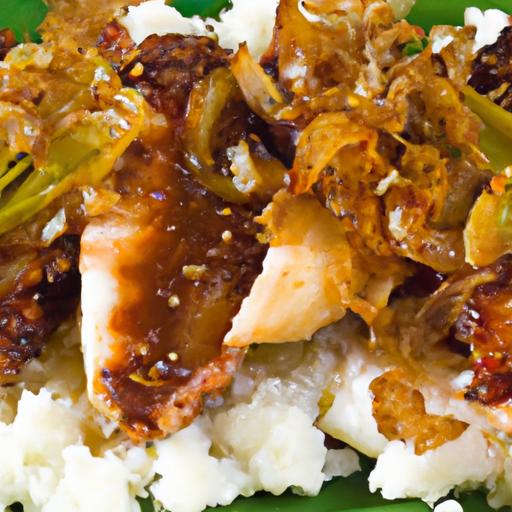


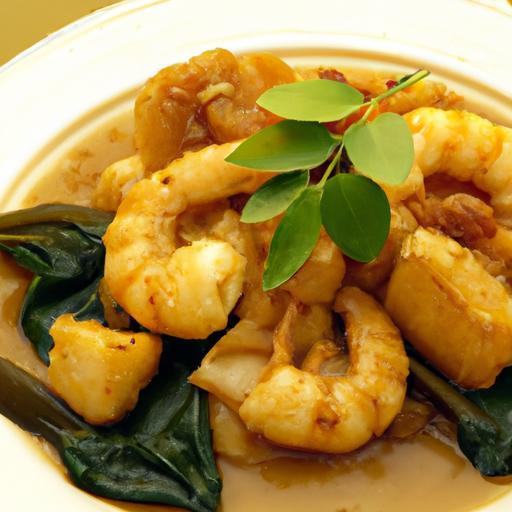
Beneath the vibrant tapestry of Filipino cuisine lies a hidden gem that has delighted palates for generations-Makayabu. This flavorful delicacy, often overshadowed by more ubiquitous dishes, carries with it a rich history and a burst of savory goodness that tells a story of tradition, resourcefulness, and coastal bounty. In “Makayabu Uncovered: Exploring the Flavorful Filipino Delicacy,” we embark on a culinary journey to unravel the origins, readiness methods, and cultural significance of this salted, dried fish that continues to capture the hearts-and taste buds-of Filipinos and food enthusiasts alike. Join us as we dive deep into the essence of Makayabu, where every bite is a party of flavor and heritage.
Makayabu Uncovered: This beloved Filipino delicacy invites you to explore a rich tapestry of history and flavor that dates back to the coastal communities where preservation through curing was once essential. Makayabu,a salt-cured dried fish typically made from milkfish (bangus),is more than just a pantry staple-it reflects the resourcefulness and resilience of Filipino culinary traditions. Its distinct umami notes and chewy texture evoke the scent of seaside mornings and family gatherings, making it a dish deeply woven into the cultural fabric.
Prep and Cook Time
- Preparation: 20 minutes (plus soaking time)
- Cooking: 15 minutes
- Total: 35 minutes (excluding soaking)
Yield
serves 4 generous portions
Difficulty Level
Medium: Requires soaking and proper frying technique but is approachable for home cooks eager to master Filipino flavors.
Ingredients
- 500g dried makayabu (salted dried milkfish)
- 3 cups water (for soaking)
- 1 medium onion, thinly sliced
- 3 cloves garlic, minced
- 2 medium tomatoes, quartered
- 2 tablespoons vegetable oil
- 1 thumb-sized ginger, julienned
- 1/4 cup vinegar
- Salt and freshly ground black pepper, to taste
- Optional garnish: chopped green onions and calamansi wedges
Instructions
- Soak the makayabu in water for at least 1 hour to remove excess salt. Change the water once if necessary for milder saltiness. Drain well and pat dry with paper towels.
- Heat vegetable oil in a large skillet over medium heat. Sauté garlic, onion, and ginger until aromatic and translucent, about 3-4 minutes. Stir occasionally to prevent burning.
- Add tomatoes and cook until softened,about 2 minutes.
- Carefully fry the dried fish in a separate pan over medium heat, turning until both sides are golden brown and slightly crisp, about 7 minutes total. Avoid overcrowding the pan for even cooking.
- Remove the fish and set aside on paper towels to absorb excess oil. In the same vegetable mix, splash in the vinegar, and season with pepper. Bring to a gentle simmer and cook for 2 minutes without stirring vigorously to preserve the tangy balance.
- Gently fold in the fried makayabu to the sauce, coating each piece delicately. let it cook together for an additional 2 minutes to meld flavors.
- Adjust seasoning carefully-salty fish may not need extra salt. Remove from heat and transfer to a serving platter.
- Garnish with chopped green onions and calamansi wedges for a bright, fresh touch that balances richness.
Tips for Success
- Soaking is crucial: Skipping this step results in overpowering saltiness. Customize the soaking time depending on your preference, even up to 2 hours for milder taste.
- Choose quality dried milkfish: Look for evenly cured makayabu with no unpleasant odors other than the saltiness. Packaging should be intact and the fish firm.
- For a deeper flavor: Try adding a small piece of dried bay leaf to the sauté for an earthy aroma or substitute vinegar with a fewer teaspoons of mangosteen vinegar for a fruity note.
- Cook fish separately: This prevents the fish from falling apart and allows you to achieve a satisfyingly crisp exterior.
- Make ahead: The dish improves in flavor if allowed to rest for 10-15 minutes before serving; reheat gently to maintain texture.
Serving Suggestions
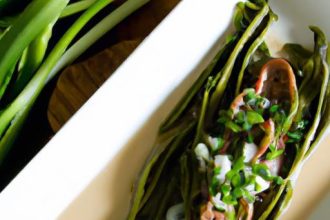
Traditionally served alongside steaming hot white rice,makayabu pairs beautifully with crispy pakbet,sweet and tangy ensaladang pipino, or a fresh green salad featuring local vegetables. For a harmonious contrast in the meal, include pickled papaya (atchara) or a side of sautéed kangkong (water spinach). Presentation is simple yet elegant-place the fish atop banana leaves for authenticity, garnish with calamansi wedges to add vibrant color, and a sprinkle of chopped green onion to bring freshness. For a visual feast, serve alongside a colorful vegetable platter to create an inviting balance on the plate.
Nutritional Information
| Nutrient | Per Serving |
|---|---|
| Calories | 220 kcal |
| Protein | 25g |
| Carbohydrates | 3g |
| Fat | 12g |

Exploring Regional Variations and Flavor Enhancements with Makayabu
In various Filipino regions, makayabu takes on subtle yet captivating differences. Coastal villages in Northern Luzon often incorporate patis (fermented fish sauce) or smoked chili to elevate the umami and add a spicy kick. simultaneously occurring, in the Visayas, a splash of coconut vinegar lends a delicate sweetness, softening the fish’s intensity. Experimenting with herbs like lemongrass or locally sourced siling labuyo (bird’s eye chili) creates exciting flavor profiles without overpowering the essential salt-cured richness. Thes regional takes inspire home cooks to tailor the recipe, making makayabu a versatile canvas for Filipino gastronomic heritage.
For more traditional Filipino recipes that complement the makayabu experience, explore our rich Traditional Filipino Flavors collection. Also, check the National Park Service’s Filipino food heritage page to discover more about the cultural roots and evolution of dishes like makayabu.
Q&A
Q&A: Makayabu Uncovered – Exploring the Flavorful Filipino Delicacy
Q1: What is Makayabu, and why is it a beloved dish in filipino cuisine?
A1: Makayabu is a traditional Filipino dish made from dried, cured fish-usually milkfish or galunggong-that is uniquely prepared with a blend of vinegar, tomatoes, onions, and spices. Its tangy and savory profile, combined with the rich umami of the dried fish, makes it a comforting favorite across the Philippine archipelago. The dish embodies the resourcefulness and deep culinary heritage of Filipino cooking.
Q2: How does the drying process affect the flavor and texture of Makayabu?
A2: The drying process intensifies the fish’s flavor by concentrating its natural oils and salts, creating a robust and slightly smoky taste. Texture-wise, the fish develops a firm yet flaky quality, which perfectly balances with the acidity of the vinegar and the freshness of accompanying vegetables. This contrast is key to the dish’s appeal, transforming humble ingredients into a flavorful delight.
Q3: What are the essential ingredients that give Makayabu its signature taste?
A3: The heart of Makayabu lies in the dried fish, enriched with a tangy marinade of vinegar, brightened by ripe tomatoes, and layered with the sharpness of onions and garlic.Bay leaves and black peppercorns often join the mix, infusing subtle aromatic notes. These simple pantry staples come together to create a complex, palate-awakening experience.
Q4: can Makayabu be paired with other Filipino dishes or side dishes?
A4: Absolutely! Makayabu harmonizes wonderfully with steamed white rice, allowing the bold flavors to shine. it also pairs well with sautéed greens such as kangkong (water spinach) or ampalaya (bitter melon) to add a fresh, earthy counterpoint. For those seeking a heartier meal, a side of pickled vegetables or atchara can amplify the dish’s tangy character.
Q5: How does Makayabu reflect the cultural and historical aspects of filipino cuisine?
A5: Makayabu is a testament to Filipino ingenuity in food preservation and flavor layering. The practice of drying fish harks back to times when refrigeration was scarce, showcasing how communities adapted to preserve seafood for longer periods. The dish’s vibrant vinegar-based sauce is emblematic of the Filipino palate’s love for sour and savory combinations, demonstrating a culinary identity shaped by geography, history, and resourcefulness.
Q6: are ther regional variations of Makayabu in the Philippines?
A6: Yes! While the core concept remains consistent, some regions add their own twists-such as incorporating coconut vinegar for a milder tang or adding chili peppers for a spicy kick. Coastal areas might use different local fish species depending on availability, giving each version a unique flavor profile that celebrates regional diversity.
Q7: What makes cooking Makayabu at home a rewarding experience?
A7: Preparing Makayabu at home invites cooks to connect with Filipino traditions and explore bold flavors firsthand.The process allows for customization-whether adjusting the balance of vinegar and tomatoes or experimenting with fresh herbs. Plus, the aroma that fills the kitchen during cooking is an evocative preview of the satisfying meal to come, making it an enriching and enjoyable culinary journey.Q8: How can Makayabu be enjoyed beyond mealtime?
A8: Beyond being a main dish, Makayabu can inspire creative culinary adaptations-used as a flavorful filling for sandwiches or added to pasta dishes for a Filipino twist. Its distinctive tangy-salty flavor also makes a grate topping for fresh salads or as a savory accent in rice bowls, showcasing its versatility beyond traditional dining.
Dive into the world of Makayabu and savor a dish that captures the heart and soul of Filipino flavors-where each bite tells a story of tradition, taste, and timeless creativity.
Closing Remarks
As we wrap up our flavorful journey into the world of makayabu, it becomes clear that this humble filipino delicacy is much more than just dried salted fish. It is a testament to the resourcefulness and rich culinary heritage of the Philippines-where every bite carries a story of tradition, preservation, and heartfelt communal dining. Whether enjoyed as a simple breakfast staple or transformed into a vibrant dish bursting with local flavors, makayabu invites both the curious and the seasoned palate to savor a taste that’s uniquely Filipino. So next time you come across this savory delight, remember: you’re not just tasting fish-you’re uncovering a piece of the Philippines itself.