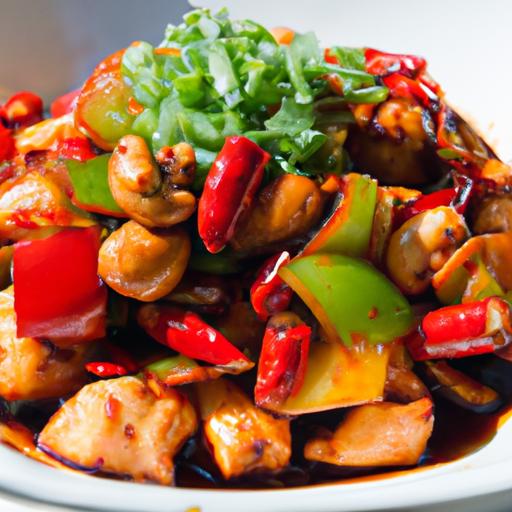

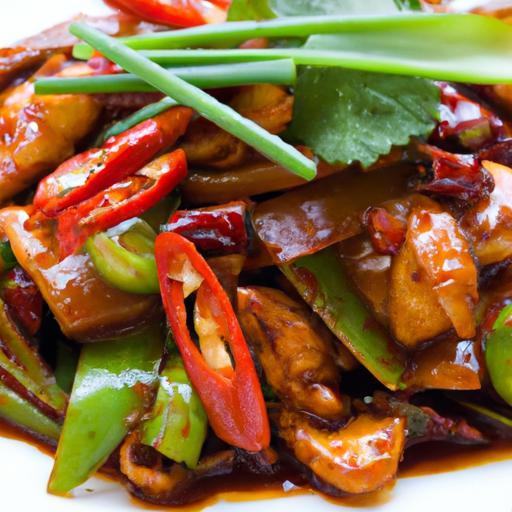
Nestled in the vibrant tapestry of sichuan cuisine lies a dish that captivates the senses with its bold flavors and fiery charm-Kung Pao Chicken. More than just a spicy stir-fry, this iconic classic is a harmonious dance of tender chicken, crunchy peanuts, and a symphony of Sichuan peppercorns that deliver a distinctive numbing heat. But beneath its mouth-tingling exterior hides a rich history and a culinary tradition steeped in regional culture and unexpected secrets. Join us as we unravel the spicy mysteries behind kung Pao Chicken, exploring how this beloved dish earned its place on dinner tables worldwide and why its complex flavor profile continues to enthrall food enthusiasts everywhere.
Unlocking the Spicy Secrets of Kung Pao Chicken: Origins and Cultural importance
Kung Pao Chicken stands as a vibrant testament to the bold and intricate flavors of sichuan cuisine.This dish, cherished for its harmonious blend of heat, sweetness, and umami, was originally crafted to honor Ding Baozhen, a Qing dynasty official whose title “Gongbao” inspired the name. It’s more than just a stir-fry; it embodies a rich culinary tradition where the fiery Sichuan peppercorns dance with sweet and savory notes, creating a flavor profile that is both exhilarating and comforting.
From bustling street markets in Chengdu to contemporary kitchens worldwide, Kung Pao Chicken represents a culinary bridge-a perfect balance of spice and sweetness that defines Sichuanese food culture. The secret lies not only in the ingredients but also in the technique, elevating humble chicken pieces into a dish packed with character and depth.
Prep and Cook Time
- Preparation: 20 minutes
- Cooking: 15 minutes
- Total time: 35 minutes
Yield
Serves 4 hungry guests
Difficulty Level
Medium – Great for cooks looking to hone authentic Sichuan stir-fry techniques
Essential Ingredients for an Authentic Sichuan Flavor
- 450g boneless,skinless chicken thighs, cut into bite-sized cubes
- 3 tablespoons soy sauce, divided
- 1 tablespoon Shaoxing cooking wine (or dry sherry), optional
- 2 teaspoons cornstarch for velveting the chicken
- 3 tablespoons vegetable oil, for stir-frying
- 6-8 dried red chilies, cut in halves and seeds removed for milder heat
- 1 teaspoon sichuan peppercorns, toasted lightly
- 3 cloves garlic, minced
- 1 tablespoon fresh ginger, minced
- 1/2 cup roasted peanuts (unsalted and skinned)
- 2 scallions, sliced diagonally into 1-inch pieces
- 1 tablespoon black vinegar (Chinkiang vinegar), for tangy brightness
- 2 teaspoons sugar, balancing the heat
- 1/4 cup chicken broth or water
- 1 teaspoon sesame oil, for finish and aroma
Techniques and Tips for Achieving the Ideal Texture and Aroma
- Velvet your chicken: Toss the chicken cubes with 1 tablespoon soy sauce,cornstarch,and Shaoxing wine. Let it rest 10 minutes to develop a tender texture that seals in juices when cooked.
- Toast the Sichuan peppercorns: In a dry wok, lightly toast the peppercorns until fragrant (~30 seconds). Grind finely and set aside to sprinkle later – this adds the hallmark numbing aroma.
- Heat control: Use medium-high heat and a heavy-bottomed wok to ensure quick cooking that locks flavor without drying the chicken out.
- Frying dried chilies: Add dried chilies early to the oil, stirring briefly to infuse spicy warmth without burning - they should darken but not blacken.
- Layering flavors: Introduce garlic and ginger after the chilies, mixing until aromatic but before garlic browns to avoid bitterness.
- Balancing glaze: Whisk together remaining soy sauce, black vinegar, sugar, and broth. Add this sauce to the wok to coat all ingredients, finishing with peanuts and scallions for crunch and freshness.
- Final touch: Drizzle sesame oil off the heat to preserve its fragrant essence and seal the layers of flavor.
Step-By-Step Instructions
- Prepare the chicken: In a medium bowl, combine chicken cubes, 1 tbsp soy sauce, shaoxing wine, and cornstarch. Mix well and set aside for 10 minutes.
- Toast and grind Sichuan peppercorns: In a dry wok over medium heat, toast peppercorns for 30 seconds until fragrant. Remove, let cool, and grind finely.
- Heat oil and chilies: Heat vegetable oil in the wok on medium-high, add dried chilies, and fry, stirring constantly until they darken just slightly (about 1-2 minutes). Remove chilies with a slotted spoon and reserve.
- Sauté aromatics: Add minced garlic and ginger to the chili-infused oil, sauté for 30 seconds, stirring constantly to avoid burning.
- Cook chicken: Increase heat to high,add chicken pieces in a single layer,sauté until golden and cooked through (5-7 minutes),stirring frequently.
- Add sauce and peanuts: Mix remaining 2 tbsp soy sauce, black vinegar, sugar, and chicken broth. Pour into wok, stir to coat chicken evenly. Return dried chilies to the wok, add peanuts, and cook for another 2 minutes until sauce thickens slightly.
- Finish and garnish: Remove from heat, stir in sliced scallions and drizzle sesame oil. Toss gently to combine.
- Serve immediately: Plate your vibrant Kung Pao Chicken over steamed jasmine rice or alongside sautéed greens.
Chef’s Notes: Tips for Success
- Velveting technique: This keeps your chicken juicy and tender, mimicking restaurant signature texture. If you prefer, swap thighs for chicken breasts but watch cooking times closely.
- Dried chilies: Adjust quantity and remove seeds to fine-tune heat level; for the bold, leave seeds intact.
- Sichuan Peppercorns: Crucial for that signature tongue-tingling sensation. Avoid skipping or substituting with black pepper.
- make-ahead sauce: The flavorful sauce can be prepared in advance for quicker cooking on busy nights.
- Peanuts: Toast them yourself for a richer nutty crunch. Consider swapping for cashews for a twist.
- Oil selection: Neutral oils like vegetable or peanut oil withstand high heat and preserve wok hei (breath of the wok).
Serving Suggestions
Present your Kung pao Chicken on a wide, shallow dish to showcase its glossy sauce and vibrant colors. Garnish with freshly sliced scallions and a sprinkle of toasted sesame seeds for added texture and aroma. Accompany this dish with fluffy steamed jasmine rice or a lightly stir-fried vegetable medley like bok choy or snap peas to balance the heat.
For an elevated experience, serve with a chilled cucumber salad dressed in rice vinegar and sesame oil, offering a cool counterpoint to the fiery complexity of the dish.

| Nutrition per serving | Amount |
|---|---|
| Calories | 350 kcal |
| Protein | 30 g |
| Carbohydrates | 12 g |
| Fat | 18 g |
Explore more authentic sichuan delights like Mapo Tofu classic Recipe, or dive into the cultural richness of Chinese cuisine on Sichuan Cooking official.
Q&A
Q&A: Kung Pao Chicken – Spicy Secrets of a Sichuan Classic
Q1: What is Kung Pao Chicken, and why is it considered a hallmark of Sichuan cuisine?
A1: Kung Pao Chicken is a vibrant, spicy stir-fry dish originating from Sichuan province in southwestern China. It’s a harmonious blend of tender chicken, crunchy peanuts, and a lively sauce bursting with bold flavors like chili heat, savory soy, and tangy vinegar. Its balance of spicy, sweet, and numbing sensations captures the essence of Sichuan’s dynamic culinary palette, making it a beloved classic both locally and globally.
Q2: Where does the name “Kung Pao” come from?
A2: The name “Kung Pao” (or “Gong Bao”) honors Ding Baozhen, a Qing dynasty official whose title was “gongbao,” meaning ”palace protector.” Legend has it that this dish was a favorite of his, so the culinary world immortalized him with this fiery namesake-a fitting tribute to a dish that packs as much punch as the man himself.
Q3: What makes Kung Pao Chicken spicy yet uniquely numbing?
A3: The signature spicy kick comes primarily from dried red chilies sautéed until fragrant. But what makes Kung Pao truly distinctive is the addition of Sichuan peppercorns, which deliver a unique tingling, numbing sensation known as “ma” in Chinese cuisine. This combination of heat and numbness awakens the palate with layers of excitement.
Q4: Can you reveal the “secret sauce” behind Kung Pao Chicken?
A4: The secret sauce is a masterful medley of soy sauce for umami depth, black vinegar for luminous acidity, sugar for a hint of sweetness, and a splash of Shaoxing-style cooking wine or dry sherry (optional). This sauce balances heat with savor and tang, gluing together the textures and flavors into a mouthwatering masterpiece.
Q5: Are peanuts an essential ingredient, and why?
A5: Yes! Peanuts add more than just crunch-they introduce a toasty, nutty dimension that contrasts beautifully with the chewy chicken and fiery sauce. Their earthy flavor helps mellow the heat while providing an irresistible texture, elevating the dish’s complexity.
Q6: How crucial is the cooking technique to an authentic Kung Pao Chicken?
A6: Technique is everything. The chicken should be quickly stir-fried over high heat to seal in juiciness and develop a slight char, while the sauce is cooked just until thickened to coat every morsel perfectly. Timing and temperature control create the signature crispy, spicy, and saucy harmony prized in an authentic Kung Pao.
Q7: Besides chicken, are there traditional vegetable accompaniments or variations in Kung Pao?
A7: While the classic focuses on chicken, it’s common to include diced bell peppers, scallions, or water chestnuts for added crunch and freshness. These veggies provide color contrast and textural layers that complement the dish’s fiery character without overwhelming it.
Q8: Can Kung Pao Chicken be adapted for vegetarians or vegans without losing its essence?
A8: Absolutely! Swap chicken for firm tofu or hearty mushrooms like king oyster or shiitake, which soak up the spicy sauce beautifully. Just ensure all sauces and condiments used are plant-based. The magic of Kung Pao lies in its balance of flavors and textures,which can shine with clever plant-powered swaps.
Q9: What cultural significance does Kung Pao Chicken hold in modern China?
A9: Beyond being a palate-pleaser, Kung Pao Chicken symbolizes the bold spirit of Sichuanese cuisine-resilient, vibrant, and full of flavor. It’s a dish served at family gatherings, festivals, and restaurants alike, embodying a rich culinary heritage that connects past traditions to the present day.Q10: How can home cooks capture the authentic Sichuan flavor of Kung Pao Chicken?
A10: To channel authentic flavors, seek out genuine Sichuan peppercorns and dried chilies, don’t rush the stir-fry, and prepare the sauce just before cooking. Balance is key-adjust the spicy,sweet,and sour elements according to your taste while respecting the dish’s signature numbing heat. With passion and care,even a home kitchen can recreate this fiery classic.
Future Outlook
As the fiery flavors of Kung Pao Chicken continue to captivate taste buds around the world,its legacy stands as a vibrant testament to Sichuan’s rich culinary heritage. Behind each crunchy peanut and bold chili pepper lies centuries of tradition, technique, and a touch of fiery artistry. Whether you’re savoring it in a bustling Chengdu eatery or recreating the dish in your own kitchen, understanding these spicy secrets deepens your appreciation for every mouthwatering bite. So next time you dive into this iconic classic, remember-you’re not just enjoying a meal; you’re partaking in a sizzling story that’s been perfected through generations, one bold, savory flame at a time.